

David Streever sues ICE after agents visited his home over email criticising Immigration Chief, raising major free speech questions

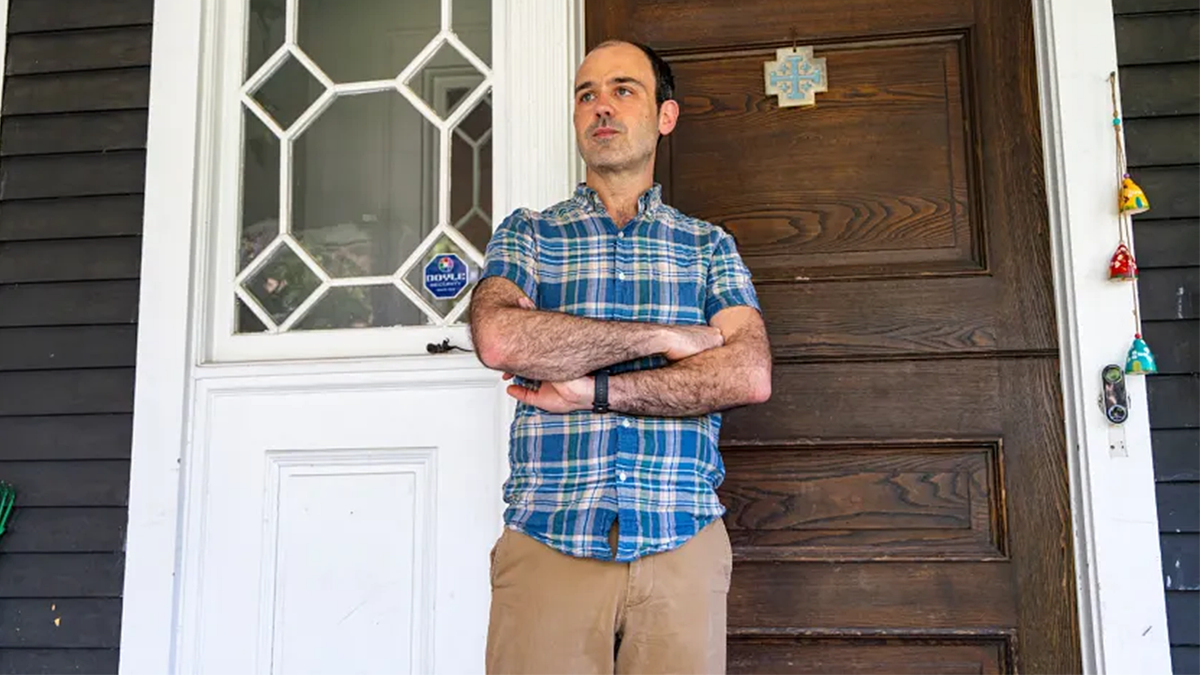
David Streever. Image Credit: Jeffrey Carlson / Crimson Dawn Media
A lawsuit filed against the U.S. Department of Homeland Security (DHS) and U.S. Immigration and Customs Enforcement (ICE) is drawing national attention after a New York resident alleged that federal agents attempted to intimidate him over a sharply worded email criticising a senior immigration official.
David Streever, a Rochester, New York, resident and U.S. citizen, says ICE investigators visited his home and later attempted to contact him at a hotel after he sent an email condemning the agency’s leadership following the fatal shooting of a demonstrator during an anti-ICE protest in Minneapolis earlier this year.
The lawsuit, filed in the U.S. District Court for the District of Columbia, argues that the government’s actions violated Streever’s constitutional right to free speech under the First Amendment and were intended to discourage criticism of federal immigration policies.
The legal challenge has quickly become one of the latest flashpoints in the national debate over free expression, government authority, and immigration enforcement.
Why David Streever Is Suing ICE
According to court filings, the dispute began in January 2026 after an ICE officer fatally shot Renee Good during an anti-ICE demonstration in Minneapolis. The incident generated widespread public criticism and prompted Streever to send a strongly worded email to Todd Lyons, who was serving as acting ICE director at the time.
In the email, Streever reportedly described Lyons as “a monstrous human being,” compared him to Nazi official Reinhard Heydrich, and wrote that he would “never know peace” because of his role in defending the agency’s actions.
Months later, while Streever was travelling in Finland with his daughter, two Department of Homeland Security investigators visited his Rochester home. They handed his wife a written warning stating that his email could constitute a violation of federal laws concerning threats against law enforcement officers.
The lawsuit contends that the email expressed political criticism rather than a genuine threat and therefore falls squarely within constitutionally protected speech.
Federal Agents Visited Home and Attempted Hotel Contact
The complaint alleges that the government went beyond simply issuing a warning.

According to Streever’s attorneys, federal investigators also attempted to locate him at a New York City hotel after he returned from Finland. Hotel staff reportedly declined to allow the agents access.
The lawsuit argues that these encounters were designed to intimidate Streever and discourage future criticism of federal immigration officials.
His legal team says that having federal agents appear at his home while he was overseas, and later attempting to confront him while travelling with his young daughter, created an unmistakable chilling effect on protected political speech.
Free Speech Organization Leads Constitutional Challenge
Streever is being represented by the Foundation for Individual Rights and Expression (FIRE), a nonprofit organization focused on defending free speech and civil liberties.
Attorney Adam Steinbaugh argued that Streever’s email amounted to political expression rather than a criminal threat.
According to FIRE, even harsh criticism directed at government officials is protected under the First Amendment unless it contains a genuine and credible threat of violence.
The lawsuit seeks a court declaration that the government’s actions violated the Constitution and requests an injunction preventing similar investigations based solely on protected speech.
Civil liberties advocates, including representatives from the American Civil Liberties Union (ACLU), have also criticised the warning notices, arguing that political criticism of public officials enjoys strong constitutional protection.
READ ALSO
Chris Brown Housekeeper Verdict: Singer ordered to pay nearly $13 million in dog attack lawsuit
Homeland Security Responds to the Allegations
The Department of Homeland Security has rejected claims that it is suppressing free speech.
In a public statement, DHS said it investigates all credible threats directed toward its employees and leadership and emphasised that it does not comment on active investigations.
The department has maintained that anyone who threatens or assaults federal law enforcement officers will face legal consequences.
Officials have not publicly commented on the specific merits of Streever’s lawsuit.
Case Linked to Similar New York Investigation
The lawsuit also references another incident involving Paigelynne Gonyea, a New York poll worker who received a similar federal warning after posting online comments concerning ICE officer Jonathan Ross, who was involved in the fatal shooting of Renee Good.
Gonyea believes investigators targeted her over a social media post calling for Ross to be indicted.
However, Homeland Security officials have argued that another online post allegedly shared Ross’s home address, describing it as possible “doxxing,” which could constitute a federal offense.
The differing explanations have fueled broader debate over where the line exists between protected political expression and unlawful conduct.
Why the David Streever ICE Lawsuit Matters
Legal experts say the outcome of the case could have significant implications for First Amendment protections in the digital age.
The central legal question is whether government investigators may visit individuals over strongly worded political criticism without violating constitutional rights.
If the court finds that the government’s actions amounted to retaliation against protected speech, the ruling could establish important limits on how federal agencies respond to criticism communicated through emails or social media.
Conversely, if the government demonstrates that it reasonably believed the communication constituted a credible threat, the case could reinforce existing authority to investigate potentially threatening messages directed at public officials.
With growing scrutiny over immigration enforcement and government accountability, the lawsuit is expected to become an important First Amendment case closely watched by civil liberties organizations, legal scholars, and policymakers across the United States.
FAQ
Who is David Streever?
David Streever is a Rochester, New York, resident and U.S. citizen who filed a lawsuit against the Department of Homeland Security and ICE after federal agents visited his home over an email criticizing senior immigration officials.
Why is David Streever suing ICE?
He argues that ICE and DHS violated his First Amendment right to free speech by sending federal agents to his home and attempting to contact him after he sent a strongly worded email criticizing then-acting ICE Director Todd Lyons.
What did David Streever write in the email?
His email condemned ICE leadership following the fatal shooting of demonstrator Renee Good. It included harsh criticism and compared Todd Lyons to Nazi official Reinhard Heydrich but did not explicitly threaten physical violence.
Why did ICE agents visit David Streever’s home?
Federal investigators delivered a warning notice stating that his email might violate federal laws concerning threats against law enforcement officers.
What is the First Amendment issue in the lawsuit?
The lawsuit argues that Streever’s email was protected political speech under the U.S. Constitution and that the government’s actions unlawfully retaliated against him for expressing criticism.
Who is representing David Streever?
The Foundation for Individual Rights and Expression (FIRE), a nonprofit organization focused on protecting free speech and civil liberties, is representing him.
What has the Department of Homeland Security said?
DHS says it investigates all credible threats against its employees and officials and denies attempting to suppress constitutionally protected speech.
Who are the defendants in the lawsuit?
The lawsuit names Homeland Security Secretary Markwayne Mullin, acting ICE Director David Venturella, and federal agents involved in the investigation.
How is Paigelynne Gonyea connected to the case?
The lawsuit references a similar incident involving New York poll worker Paigelynne Gonyea, who also received a federal warning after social media posts about an ICE officer. DHS maintains her case involved allegations of doxxing.
Why is this lawsuit significant?
The outcome could shape how courts interpret the limits of government investigations into emails and online criticism directed at public officials, making it a potentially important First Amendment case.