

What makes David Attenborough’s ‘Wild London’ so extraordinary? Inside the BBC special unveiling urban wildlife

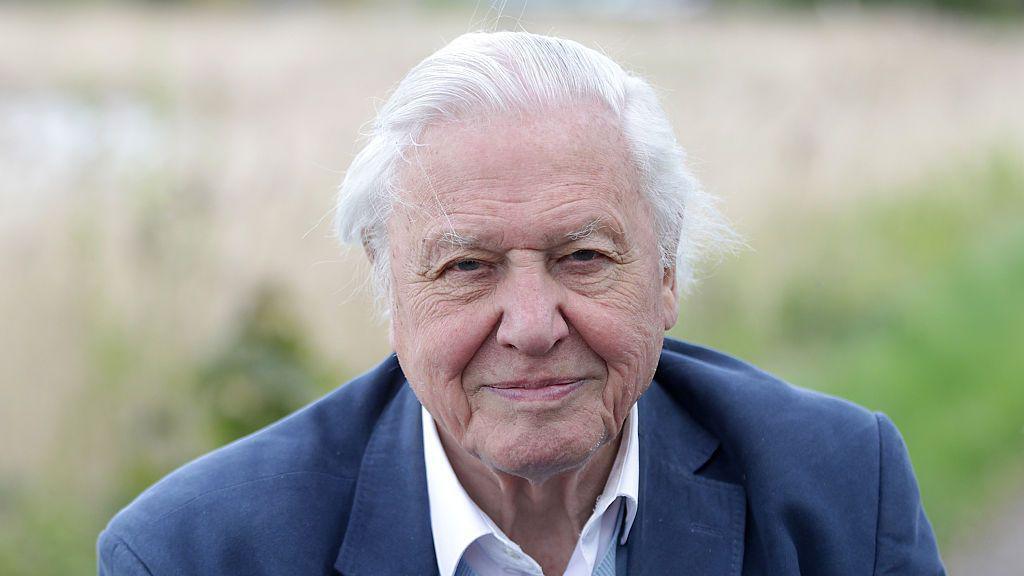
David Attenborough. Image Source: Getty Images
Sir David Attenborough is turning his lens back home in a new BBC special, “Wild London,” celebrating the remarkable wildlife thriving across the capital, just months before the beloved broadcaster marks his 100th birthday. The one-hour feature offers an intimate, moving portrait of the animals that share the city with nine million people, captured through Attenborough’s characteristic curiosity and warmth.
A Heartfelt Homecoming for a Legendary Broadcaster
After a lifetime exploring the natural world, Attenborough returns to the city he has lived in for more than 75 years. In “Wild London,” viewers see him connect with wildlife that exists quietly among Londoners, often unnoticed. This deeply personal project highlights his belief that “a wilder city is a healthier city.”
The documentary opens with a striking moment: Attenborough gently cradling a baby peregrine falcon as it is ringed for monitoring. The chick looks up at him, an interaction so enchanting that wildlife experts said the bird appeared to “know” it was in the hands of the famed naturalist.
READ ALSO
Rare Urban Wildlife, Up Close
Throughout the film, Attenborough meets London’s diverse species:
- A tiny harvest mouse curled in his palm
- A remarkably tame family of foxes living in a Tottenham allotment
- Herds of deer roaming suburban streets in Harold Hill
- And pigeons calmly riding the London Underground, hopping on and off trains like seasoned commuters
These encounters reveal the hidden complexity of the city’s ecosystem, often overshadowed by traffic, concrete and crowds.
Unexpected Animal Behaviors Revealed
Among the documentary’s most gripping stories is a lone gull in Hyde Park that has developed a predatory technique, drowning pigeons in the Serpentine. Even more surprising is footage of local coots appearing to intervene as if trying to rescue the struggling pigeons.
The film also documents foxes stashing chicken bones inside car bonnets like makeshift storage lockers, a little-known behavior uncovered during filming.
Inside the Making of “Wild London”
Director Joe Loncraine and executive producer Gaby Bastyra crafted the documentary around stories Attenborough personally cherished. His memories and experiences guided filming decisions, from peregrine falcons nesting near his Richmond home to his sadness over no longer seeing hedgehogs in his garden.
A standout sequence features Attenborough lying on the ground to examine the “Hedgehog Highway,” a neighborhood initiative carving small fence openings to help hedgehogs move safely between gardens.
Filming some scenes proved challenging. Capturing falcons fledging above London landmarks required pre-dawn shoots from hidden vantage points at locations including the Houses of Parliament and Charing Cross.
A Call to Reconnect With Nature
The London Wildlife Trust, which partnered with the BBC team, hopes the special will rekindle interest in protecting urban ecosystems. With more than 1,600 designated nature-conservation sites in the capital, London is one of the world’s greenest major cities.
The charity already has 55,000 supporters but aims to double that number, using this documentary as a catalyst for public engagement.
A New Year’s Day Celebration of London’s Wild Side
“Wild London” premieres on New Year’s Day at 6:30 PM on BBC One and will be available on BBC iPlayer, inviting millions to rediscover the wildlife living just beyond their front doors. As Attenborough approaches a historic milestone birthday, this film stands as both a tribute to his legacy and a reminder of the nature thriving all around us.
FAQ
1. What is David Attenborough’s “Wild London” about?
“Wild London” is a BBC documentary showcasing the unexpected wildlife thriving across London, from peregrine falcons and foxes to hedgehogs, deer, gulls and even pigeons riding the Underground. It highlights how animals adapt to busy city life and why conserving urban habitats matters.
2. When does “Wild London” air on the BBC?
The documentary will air on New Year’s Day at 6:30 PM on BBC One and will also stream on BBC iPlayer.
3. Why is this documentary significant for David Attenborough?
It marks one of his final home-based projects before his 100th birthday and reflects his lifelong dedication to connecting people with nature, this time in the city he has lived in for over 75 years.
4. Did David Attenborough really hold a baby peregrine falcon?
Yes. A key moment in the film shows him holding a peregrine chick during a ringing process. Wildlife experts noted the bird’s unusually calm response, calling the encounter extraordinary.
5. Do pigeons really travel on the London Underground?
Yes. The program captures pigeons boarding trains, riding for several stops, and exiting like regular commuters, behavior that Attenborough first observed decades ago.
6. What is the “Hedgehog Highway” featured in the documentary?
It’s a conservation initiative encouraging homeowners to cut small holes in fences, allowing hedgehogs to move safely between gardens. Attenborough highlights how crucial it is for hedgehog survival.
7. Is it true that gulls in London drown pigeons?
Yes. The documentary reveals a gull in Hyde Park that drags pigeons into the Serpentine, a rare learned hunting technique. Coots are even seen intervening in surprising ways.
8. Where in London do the deer appear in the film?
Herds of deer are shown roaming through Harold Hill, East London, navigating roads, gardens and parks in broad daylight.
9. How did filmmakers capture the peregrine falcons at the Houses of Parliament?
The team shot from discreet vantage points starting around 4:30 AM to catch fledging moments high above the city.
10. What message does David Attenborough want viewers to take away?
That nature is thriving in unexpected places, and that appreciating and protecting urban wildlife is essential to maintaining healthy, sustainable cities.