

Dangote Refinery crashes petrol price to N1,200: Nigerians may finally see cheaper fuel

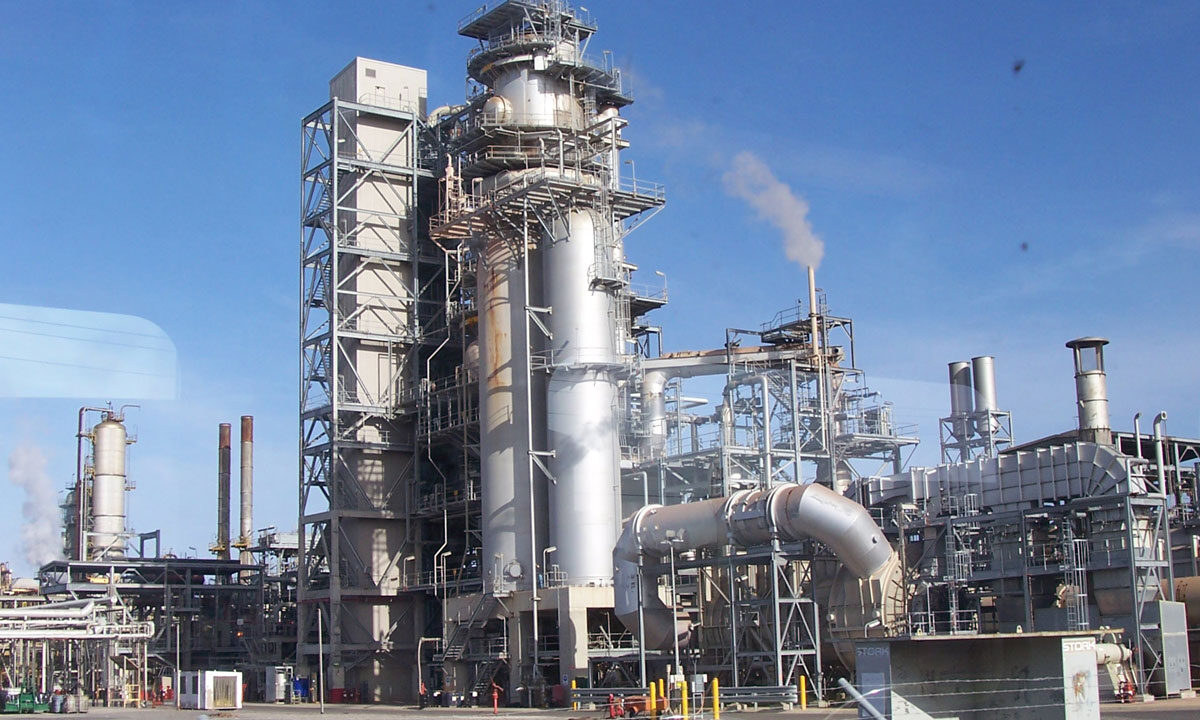
Dangote refinery cuts petrol price to N1,200, easing pressure nationwide
Nigeria’s fuel market may be on the verge of a much-needed breather after Dangote Petroleum Refinery announced a fresh reduction in its ex-gantry petrol price, a move that is expected to ripple across filling stations nationwide and potentially lower pump prices for millions of motorists and businesses.
The latest adjustment, which brings the refinery’s ex-gantry price down to N1,200 per litre, comes after weeks of sharp volatility in Nigeria’s downstream oil market, where petrol prices surged amid global crude disruptions linked to heightened geopolitical tensions in the Middle East. The cut has already sparked optimism among petroleum marketers and consumers who have faced a painful rise in transport costs, food inflation, and general cost-of-living pressures.
According to reports, the new ex-gantry rate represents a N75 to N85 reduction from the previous pricing range reported by media outlets, with the refinery also lowering its coastal price to N1,153 per litre. The move is expected to influence supply costs at depots and retail stations across the country.
Dangote Refinery’s New Petrol Price: What Changed?
Dangote Refinery said it has reduced its gantry price for petrol to N1,200 per litre, down from N1,275 per litre, while its coastal price was also cut to N1,153 per litre. TheCable reported that the refinery had earlier raised prices from N1,175 on March 13 to N1,245 on March 20, before moving to N1,275 on March 21, reflecting the intense pressure from global oil market volatility.
Daily Post similarly reported that the refinery slashed its petrol price from N1,285 to N1,200 per litre, describing the reduction as a strategic move to outpace depot owners whose prices had hovered between N1,240 and N1,255 per litre. Because the two outlets cite slightly different prior prices, the clearest confirmed figure from Dangote’s own statement is the new N1,200 per litre ex-gantry price, while reports vary on the exact previous benchmark used in the comparison.
This is significant because ex-gantry pricing is the rate at which marketers buy directly from the refinery before adding transportation, logistics, and retail margins. Any drop at this level often filters into lower pump prices, though not always immediately.
Why Petrol Prices Could Fall at Filling Stations Across Nigeria
Industry players say the latest cut could lead to a retail pump price reduction of between N50 and N70 per litre, depending on the marketer, location, and supply chain costs. Daily Post reported that major stations may eventually adjust to around N1,311 to N1,291 per litre if the price cut is fully passed on to consumers.
The spokesperson of the Independent Petroleum Marketers Association of Nigeria (IPMAN), Chinedu Ukadike, told Daily Post that marketers sourcing products from Dangote Refinery would be compelled to revise their retail prices downward. Meanwhile, station managers at MRS reportedly said they were waiting for an updated pricing template from head office before making any changes. While those specific quotes come from the Daily Post source provided by the user, the broader market expectation aligns with Dangote’s own statement that the pricing review should affect distribution channels, including depots and retail outlets.
For ordinary Nigerians, this matters beyond the fuel pump. A reduction in petrol prices often affects transport fares, haulage costs, food distribution expenses, and small business operating costs, especially in an economy where petrol remains central to mobility and power generation.
READ ALSO
₦1,332 per litre: Petrol prices in Lagos, Abuja, Akure, other cities –full breakdown
Global Oil Tensions Still Loom Over Nigeria’s Fuel Market
Despite the price cut, the bigger picture remains unstable.
Dangote Refinery said the downward review came amid ongoing tensions in the Middle East, which continue to influence global oil markets. TheCable noted that Brent crude rose to $100.54 per barrel on Thursday, even as oil had earlier fallen to $96 per barrel earlier in the week after U.S. President Donald Trump said he would postpone military strikes on Iranian energy infrastructure for five days.
The International Energy Agency (IEA) had also warned earlier in March that the conflict was creating one of the largest supply disruptions in global oil market history, underscoring how fragile fuel pricing remains.
That means while the current price reduction is welcome, analysts and consumers alike know it may not signal permanent stability. Nigeria’s deregulated fuel market remains exposed to global crude prices, exchange rate pressure, freight costs, and supply chain disruptions.
Why This Dangote Petrol Price Cut Matters More Than Usual
This latest price reduction is especially notable because Nigerians have endured a brutal surge in pump prices over recent weeks.
Reports indicate that petrol prices in some parts of the country climbed above N1,360 per litre, up sharply from the N875–N900 range earlier in March, as global supply fears and local distribution costs pushed prices higher. That spike worsened inflationary pressures and reignited concerns about the sustainability of deregulated pricing. TheCable also recently reported that the Federal Government said it would not impose direct petrol price controls, preferring instead to allow market forces to determine pricing while rolling out relief measures like CNG conversion support.
In that context, Dangote’s decision to cut prices is being interpreted not just as a business move, but as a market-reset signal that could pressure depot operators and rival suppliers to review their own rates.
What Nigerians Should Expect Next
Consumers should not expect an immediate, uniform drop at every filling station overnight. In Nigeria’s fuel market, retail adjustments often happen in phases depending on:
- Existing stock purchased at older, higher prices
- Distance from supply depots
- Transportation and bridging costs
- Individual marketer pricing strategies
- Regional supply constraints
Still, the direction of the market is now clearer: downward pressure has returned, at least in the short term.
If marketers pass on the reduction quickly, commuters, logistics operators, and households could begin seeing some relief from Friday into the coming days. But if global crude prices spike again or logistics costs rise, the benefit could prove temporary.
For now, Dangote Refinery’s N1,200 ex-gantry price has become the new benchmark in Nigeria’s petrol market, and all eyes are on whether retail stations will follow suit.
FAQ
1. What is Dangote Refinery’s new petrol price today?
Dangote Refinery’s new ex-gantry petrol price is N1,200 per litre. The refinery also reduced its coastal price to N1,153 per litre, according to its March 26, 2026 statement.
2. How much did Dangote Refinery reduce petrol price by?
The refinery confirmed a reduction of N75, from N1,275 per litre to N1,200 per litre. Some reports also described the move as an N85 cut, depending on the previous benchmark cited, but Dangote’s own statement as reported by TheCable confirms the N75 drop.
3. Will petrol price drop at filling stations after Dangote’s cut?
Yes, pump prices are likely to fall, but not instantly at every station. Marketers that source directly from Dangote are expected to adjust prices downward after selling off older stock bought at higher rates.
4. What could the new pump price of petrol be in Nigeria?
Based on market estimates reported by Daily Post, retail petrol prices could fall by N50 to N70 per litre, potentially settling around N1,291 to N1,311 per litre in some major outlets, depending on location and supply costs.
5. Why did Dangote Refinery reduce petrol price?
The price cut appears linked to:
- Competitive pressure from depot owners
- A temporary easing in crude oil prices earlier in the week
- Market positioning in Nigeria’s deregulated downstream sector
- The need to influence supply costs across depots and retail channels
Dangote also said the move comes amid Middle East tensions affecting global oil markets.
6. What is ex-gantry petrol price?
Ex-gantry price is the wholesale rate at which petroleum marketers buy petrol directly from a refinery or depot before adding transportation, storage, and retail margins. It is not the final pump price consumers pay.
7. Why are some filling stations not reducing fuel price immediately?
Stations may delay price cuts because:
- They still have old stock bought at higher prices
- They are waiting for fresh pricing templates from head office
- Logistics and transportation costs vary by region
- Some marketers may be using non-Dangote supply channels
8. Will transport fares reduce after Dangote’s petrol price cut?
Transport fares may reduce gradually, especially if pump prices stay lower for several days. However, many transport operators typically wait to see whether the reduction is sustained before adjusting fares.
9. Is the Federal Government controlling petrol prices in Nigeria?
No. The Federal Government has said it will not directly control petrol prices under the deregulated market system. Instead, it says pricing will be determined by market forces, while other relief measures are considered.
10. Can petrol price go up again after this reduction?
Yes. Petrol prices in Nigeria can rise again if:
- Global crude oil prices spike
- The naira weakens further
- Shipping and insurance costs increase
- Supply disruptions worsen due to geopolitical conflict
That is why many analysts see the current cut as welcome but potentially temporary.
11. Why is Dangote Refinery so important to petrol prices in Nigeria?
Dangote Refinery is now one of the biggest local suppliers in Nigeria’s downstream market. Because of its scale, any change in its ex-gantry price can influence:
- Depot pricing
- Marketer buying decisions
- Retail pump prices
- Competition with imported fuel
12. How does this affect inflation and cost of living in Nigeria?
A lower petrol price can help reduce:
- Transport costs
- Food distribution costs
- Generator running costs
- Business operating expenses
If sustained, it could help ease inflationary pressure, though broader economic factors still matter.