

Dangote $100B mega refinery expansion to create extra 95,000 jobs

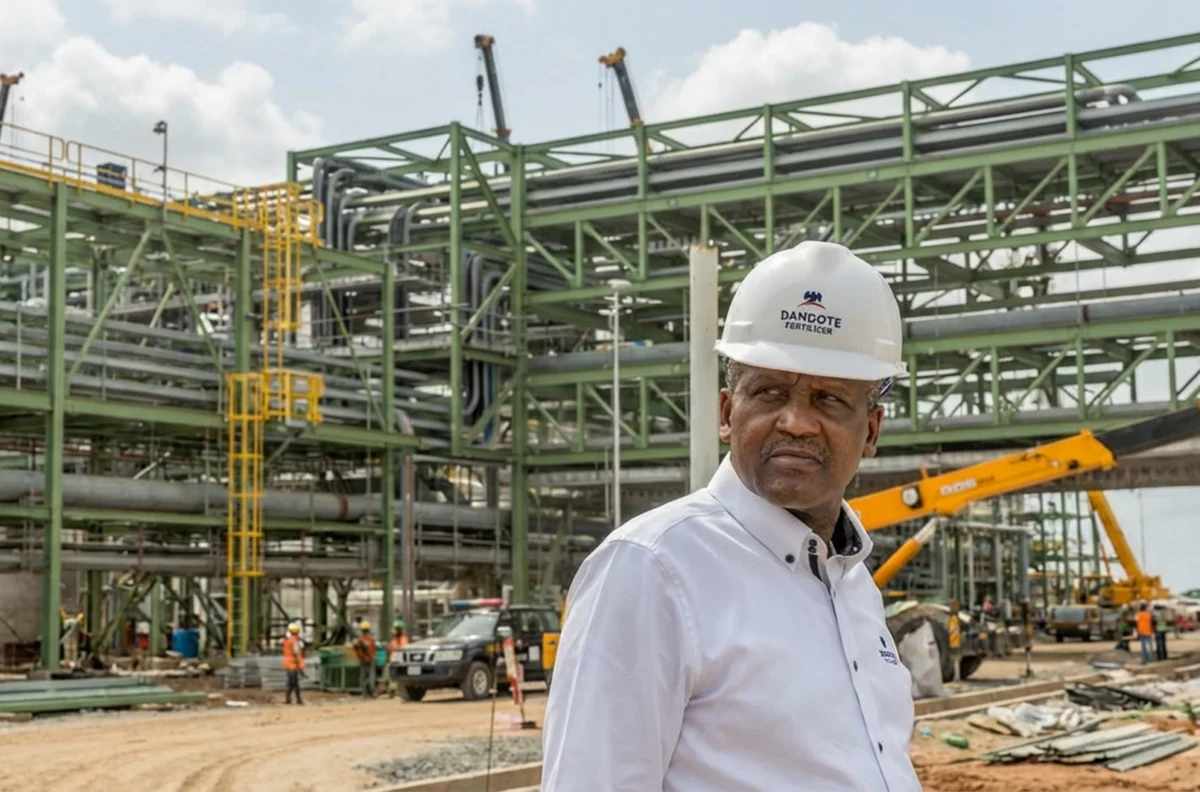
Dangote refinery expansion could create 95,000 jobs
Africa’s richest industrialist, Aliko Dangote, is once again at the center of Nigeria’s economic transformation narrative, unveiling ambitious plans to expand the Dangote Refinery into what could become the largest refinery in the world. The move, projected to create up to 95,000 jobs, is being hailed as a potential game-changer for Nigeria’s energy security, employment, and industrial growth.
The announcement comes amid renewed calls for deeper private-sector investments and follows Dangote’s recent induction as an honorary fellow of the Nigeria Academy of Engineering, recognizing his contributions to large-scale industrialisation.
Dangote Refinery Expansion: A Bold Industrial Leap
Dangote revealed plans to scale the refinery’s capacity to 1.4 million barrels per day (bpd), significantly surpassing its current output and positioning it ahead of global giants like India’s Jamnagar refinery.
The expansion underscores Nigeria’s push toward self-sufficiency in petroleum products, reducing reliance on imports and easing pressure on foreign exchange reserves. Analysts describe the move as a strategic milestone in Africa’s industrialisation journey, driven by local investment and engineering expertise.
Dangote emphasised that the project reflects confidence in Nigerian capacity, adding that the expansion will rely heavily on local engineers, technicians, and artisans.
95,000 Jobs: What It Means for Nigeria’s Economy
At peak construction, the refinery expansion is expected to generate approximately 95,000 jobs, offering a major boost to employment in a country grappling with youth unemployment.
The job creation spans multiple sectors, including:
- Engineering and construction
- Manufacturing and logistics
- Technical and vocational services
Beyond direct employment, experts highlight spillover effects across the economy, from supply chains to small businesses, positioning the project as a catalyst for inclusive economic growth.
Fuel Security and Reduced Import Dependence
One of the most significant implications of the expansion is its potential to transform Nigeria’s fuel market. With increased refining capacity, the country could:
- Reduce dependence on imported petroleum products
- Stabilize fuel supply and pricing
- Strengthen its position as a net exporter of refined products
This aligns with national efforts to improve energy independence and reduce vulnerability to global oil price fluctuations.
READ ALSO
Dangote storms FUTO with ₦550m hostel, unveils ElectroLab-X: What to Know
Recognition by Nigerian Academy of Engineering
Dangote’s induction into the as its sixth honorary fellow highlights the scale of his contributions to engineering and infrastructure.
The academy described the Dangote Refinery as a symbol of engineering excellence, noting its impact on:
- Industrial development
- Job creation
- Technological advancement
Industry leaders also praised Dangote’s investments across sectors such as cement, sugar, and petrochemicals, describing them as cornerstones of Nigeria’s economic growth.
Calls for Expanded Investments Across Nigeria
In a related development, stakeholders, including regional leaders, have urged the Dangote Group to expand investments beyond Lagos, particularly into resource-rich states like Nasarawa.
Such expansion, they argue, could unlock untapped mineral resources, stimulate local economies, and further strengthen Nigeria’s industrial base.
Dangote’s long-term Vision 2030 strategy, reportedly targeting $100 billion in investments, signals continued commitment to large-scale economic transformation across Africa.
Challenges and Outlook
While the refinery expansion presents enormous opportunities, analysts caution that its success will depend on:
- Regulatory stability
- Infrastructure support
- Global oil market dynamics
Despite these challenges, the project is widely seen as a defining moment for Nigeria’s industrial future, reinforcing the role of private capital in national development.
FAQ
Who is Aliko Dangote?
is Africa’s richest man and founder of the Dangote Group, with investments spanning cement, sugar, salt, and petroleum refining.
What is the Dangote Refinery expansion about?
The expansion aims to increase the refinery’s capacity to 1.4 million barrels per day, potentially making it the largest refinery in the world.
How many jobs will the project create?
The project is expected to generate up to 95,000 jobs during peak construction, with additional long-term employment opportunities.
Where is the Dangote Refinery located?
The refinery is located in Lagos, Nigeria, serving as a major industrial hub.
Will the refinery reduce fuel imports in Nigeria?
Yes. Increased local refining capacity is expected to reduce Nigeria’s reliance on imported fuel and improve energy security.
How will this affect fuel prices?
While pricing depends on multiple factors, increased local supply could help stabilize fuel prices over time.
Is the Dangote Refinery the largest in the world?
Once fully expanded, it is projected to surpass India’s Jamnagar refinery, becoming the largest globally by capacity.
What industries will benefit from the expansion?
Key sectors include engineering, logistics, manufacturing, and oil & gas, along with small businesses in the supply chain.
What is Dangote’s Vision 2030?
It is a long-term investment strategy targeting $100 billion in investments to drive industrial growth across Africa.
Why is the project important for Nigeria?
It strengthens economic growth, job creation, fuel independence, and industrialisation, making it a cornerstone of national development.