

Cuba Energy crisis deepens as Canada plans aid amid Trump’s oil crackdown

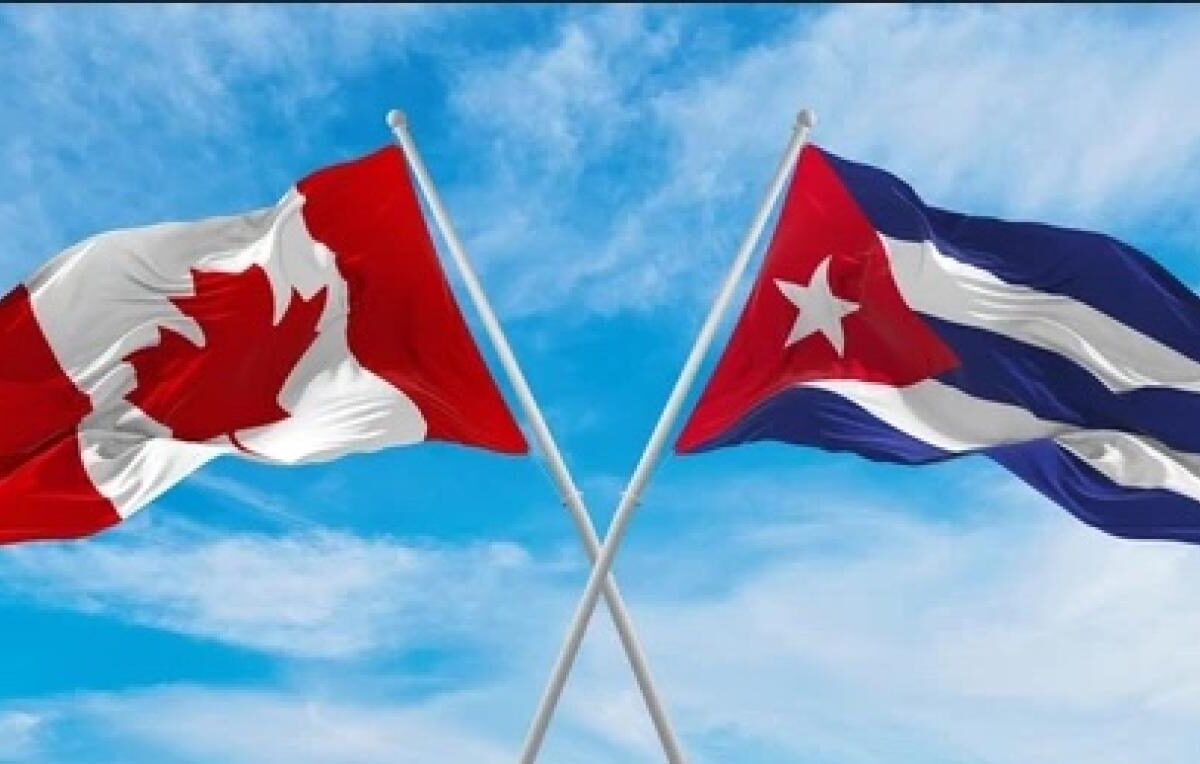
Cuba Energy Crisis Deepens as Canada Plans Aid
Cuba is facing one of its most severe economic and energy crises in decades as mounting US oil restrictions tighten the island’s fuel supplies, triggering prolonged blackouts, soaring food prices, and transportation disruptions. Amid growing humanitarian concerns, Canada has announced plans to assist the Caribbean nation, signaling a potential diplomatic shift in the Americas.
The crisis intensified after the administration of U.S. President Donald Trump moved to block oil shipments reaching Cuba, including crude from its long-time ally Nicolás Maduro of Venezuela. The result has been a dramatic squeeze on Cuba’s fragile energy infrastructure, with ripple effects across daily life.
Canada Prepares Assistance Plan for Cuba
On Monday, Canadian Foreign Minister Anita Anand confirmed that Ottawa is preparing a plan to assist Cuba, though specific details have not yet been disclosed.
“We are preparing a plan to assist,” Anand said, stopping short of clarifying the scale or form of the support.
Canada previously stated it was closely monitoring the situation and expressed concern about the “increasing risk of a humanitarian crisis.” The announcement comes at a time of strained US-Canada relations, with disagreements spanning trade tariffs and foreign policy strategy.
Prime Minister Mark Carney has emphasised the importance of middle powers working together to avoid being overshadowed by major geopolitical players, a remark widely interpreted as a subtle critique of Washington’s assertive posture.
READ ALSO
Why did Josh Hawley break with Trump on Venezuela, and could it cost him politically?
US Oil Sanctions Push Cuba Toward Breaking Point
The Trump administration has escalated what analysts describe as a maximum pressure campaign against Cuba’s Communist leadership. By targeting oil shipments, particularly those from Venezuela, Washington has effectively choked off a critical lifeline for the island’s power plants and transportation systems.
Trump recently declared that “Cuba will be failing pretty soon,” suggesting that Venezuela has not recently sent oil or financial assistance to the island.
Energy experts warn that Cuba’s ageing grid cannot withstand prolonged supply interruptions. In recent weeks, residents in Havana have endured hours-long blackouts, while fuel shortages have disrupted public transportation and agricultural distribution networks.
The crisis has compounded existing economic challenges, including declining tourism revenue and inflation driven by limited imports.
UN Warns of Potential Humanitarian Crisis
The United Nations has raised alarms over the deteriorating situation. UN officials have cautioned that if Cuba’s energy needs are not met, the country could face a broader humanitarian emergency affecting healthcare, food access, and sanitation services.
The UN human rights office also criticised the U.S. military’s January operation that resulted in the seizure of Nicolás Maduro, calling it a violation of international law. Human rights experts argue that Washington’s approach toward both Venezuela and Cuba reflects an increasingly aggressive regional policy.
How the Crisis Is Affecting Everyday Life in Cuba
According to international correspondents and video reports published this week, Cuba is experiencing its worst economic downturn in 67 years. Blackouts have become routine, with neighborhoods going dark for hours each day.
Fuel shortages have:
- Increased transportation costs
- Limited food distribution
- Slowed industrial production
- Reduced electricity generation
Residents have resorted to solar panels and alternative energy solutions, but these remain inaccessible for many households.
The cumulative effect is a grinding slowdown of daily life, with growing uncertainty about how long the crisis will persist.
Rising Tensions in the Americas
The situation unfolds against a backdrop of broader diplomatic friction. US-Canada relations have faced strain over tariffs, geopolitical rhetoric regarding Greenland, and differing approaches toward China.
Meanwhile, Trump’s focus on energy leverage in Latin America has drawn comparisons to past eras of US regional interventionism. Critics argue that squeezing oil supplies risks worsening humanitarian conditions without achieving meaningful political change.
As Canada prepares its assistance plan, the international community will be watching closely to see whether external support can stabilize Cuba’s fragile economy, or whether the island faces deeper hardship in the months ahead.
FAQ
Why is Cuba facing an energy crisis in 2026?
Cuba is experiencing severe fuel shortages after the United States tightened oil sanctions under President Donald Trump. These restrictions have limited oil shipments, including supplies from Venezuela, crippling Cuba’s power generation and transportation systems.
How are US sanctions affecting Cuba’s economy?
US oil restrictions have increased fuel prices, reduced electricity production, disrupted food distribution, and worsened inflation. The sanctions have amplified Cuba’s existing economic challenges, including declining tourism and limited foreign currency reserves.
Is Canada helping Cuba during the crisis?
Yes. Canada has announced plans to provide assistance to Cuba. While details have not yet been released, Canadian officials say they are concerned about the risk of a humanitarian crisis.
What role does Venezuela play in Cuba’s fuel supply?
Venezuela has historically been one of Cuba’s primary oil suppliers. However, US restrictions and regional instability have limited Venezuela’s ability to export oil to Cuba, worsening the island’s energy shortage.
Are blackouts common in Cuba now?
Yes. Extended blackouts have become routine across major cities, including Havana. Many residents experience hours without electricity daily due to fuel shortages affecting power plants.
Has the United Nations responded to the situation in Cuba?
The UN has warned that continued energy shortages could lead to a humanitarian crisis. It has urged attention to the potential impact on healthcare, food access, and essential services.
Could the crisis lead to political instability in Cuba?
While the Cuban government remains in control, prolonged economic hardship and energy disruptions could increase public dissatisfaction. However, there is no confirmed indication of imminent political change.