

How did Clive Myrie go from believing “boys from Bolton don’t work at the BBC” to becoming one of its most trusted faces?

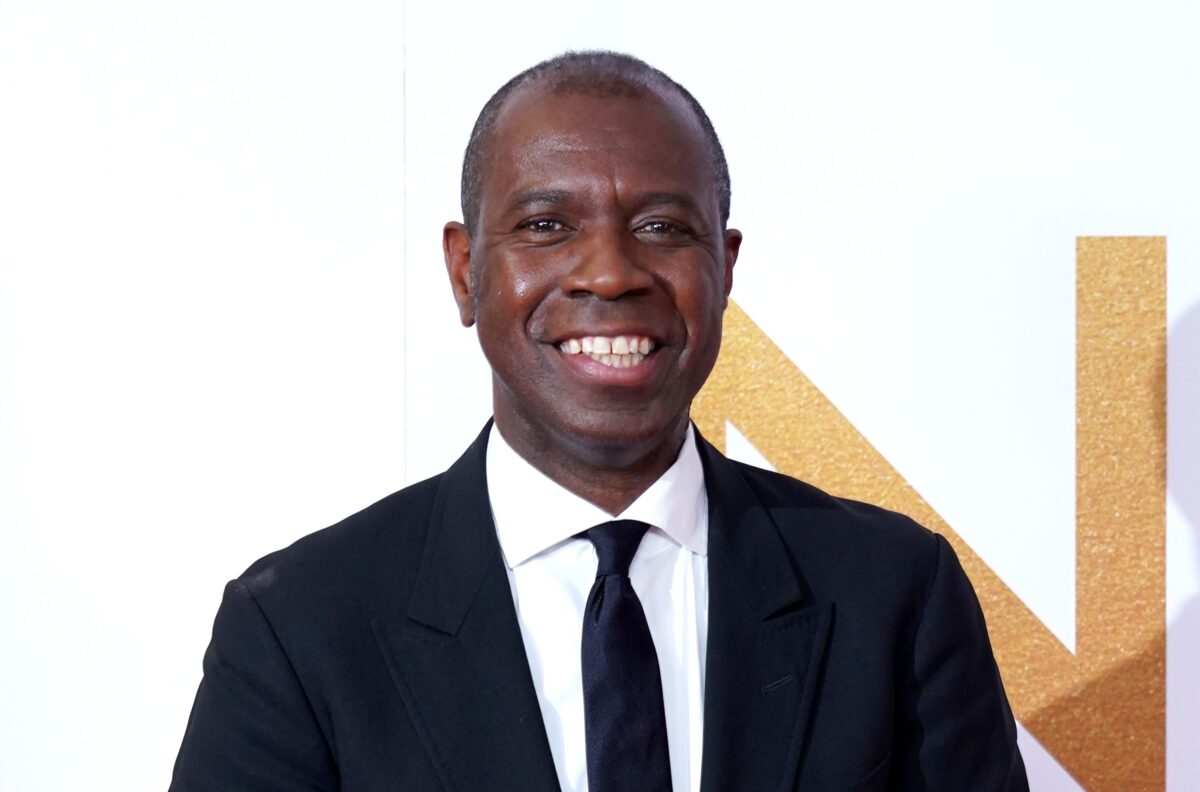
Clive Myrie joined the BBC in 1998. Image Credit: PA
Clive Myrie, one of the BBC’s most respected broadcasters, has revealed a deeply personal truth about growing up in Farnworth, Bolton, one that nearly defined the limits of his ambition. Born in 1964, Myrie admitted that as a young boy, he believed “boys from Bolton don’t work at the BBC.” It was a quiet but painful assumption shaped by class, race, and the absence of people who looked or sounded like him on British television.
Despite his parents later leaving Bolton following their divorce, Myrie has consistently spoken about his emotional attachment to the town. Those early years, he says, instilled resilience and a strong sense of identity that would later become essential in navigating elite media spaces.
Breaking Barriers Inside the BBC
Myrie joined the BBC as a trainee local radio reporter at a time when diversity within the corporation was minimal. His early assignments included BBC Radio Bristol and the regional television programme Points West, where he began to refine a reporting style grounded in clarity, authority, and calm under pressure.
Reflecting on that period, Myrie has said success came down to self-belief. He did not suffer from imposter syndrome, instead focusing on understanding his value and contribution. His philosophy was simple but powerful: the work matters more than whether you fit the expected mold.
Reporting From the World’s Most Dangerous Places
Clive Myrie’s career would soon take him far beyond UK studios. As a BBC foreign correspondent, he reported from more than 90 countries, covering major global conflicts including Kosovo, Afghanistan, and Iraq.
One assignment in Iraq was so dangerous that Myrie wrote a “goodbye letter” to his family in case he did not return. These experiences cemented his reputation as a journalist willing to confront risk in pursuit of truth, earning him respect both inside and outside the BBC.
READ ALSO
From Foreign Correspondent to Household Name
While Myrie’s reporting credentials were already formidable, his transition into presenting elevated his public profile. He became a familiar face on BBC News at Ten, BBC Breakfast, and the BBC News Channel, bringing credibility shaped by lived experience in conflict zones.
In 2021, he succeeded John Humphrys as host of the iconic quiz show Mastermind, a role that showcased his intellectual authority and calm precision, qualities viewers had long associated with his journalism.
A Family Revelation That Changed Everything
During a recent visit to Jamaica with his wife, Catherine, Myrie experienced a moment that reshaped his understanding of his own heritage. While visiting his grandmother, who was in the advanced stages of dementia, she mistook Catherine for someone from her past and began speaking Spanish, something Myrie never knew she could do.
He later learned that his grandmother had grown up in the Panama Canal Zone, where her father was among the Caribbean laborers who helped build the canal. Both of Myrie’s parents also originated from Jamaica, adding unexpected depth to his family history.
The moment, though unsettling, revealed the complex layers of migration, colonial history, and identity embedded in his lineage.
Why Clive Myrie’s Story Resonates
Clive Myrie’s journey, from a Bolton boy doubting his place at the BBC to becoming one of its most trusted voices, resonates because it speaks to possibility without privilege. His story underscores the power of confidence, preparation, and refusing to internalize limitations imposed by society.
Today, Myrie stands not only as a broadcasting icon but as proof that background does not dictate destiny.
FAQ
Who is Clive Myrie?
Clive Myrie is a British journalist and BBC presenter, best known for hosting Mastermind and presenting BBC News at Ten and BBC Breakfast.
Where did Clive Myrie grow up?
He was born and raised in Farnworth, Bolton, England, before his parents later moved away following their divorce.
What did Clive Myrie say about working at the BBC?
Myrie revealed he once believed “boys from Bolton don’t work at the BBC,” a mindset he later overcame through confidence and perseverance.
What wars has Clive Myrie reported on?
He has reported from conflict zones including Kosovo, Afghanistan, and Iraq, often under extreme danger.
Why did Clive Myrie write a goodbye letter to his family?
During a particularly risky assignment in Iraq, the situation was so dangerous that he prepared for the possibility he might not survive.
When did Clive Myrie become host of Mastermind?
He took over as host in 2021, succeeding long-time presenter John Humphrys.
What family revelation did Clive Myrie discover?
He learned his grandmother grew up in the Panama Canal Zone and could speak Spanish, revealing a deeper Caribbean migration history.
Is Clive Myrie married?
Yes, he is married to Catherine Myrie.