

CBN introduces new overnight rate to transform Nigeria’s financial market: What it means for banks, investors

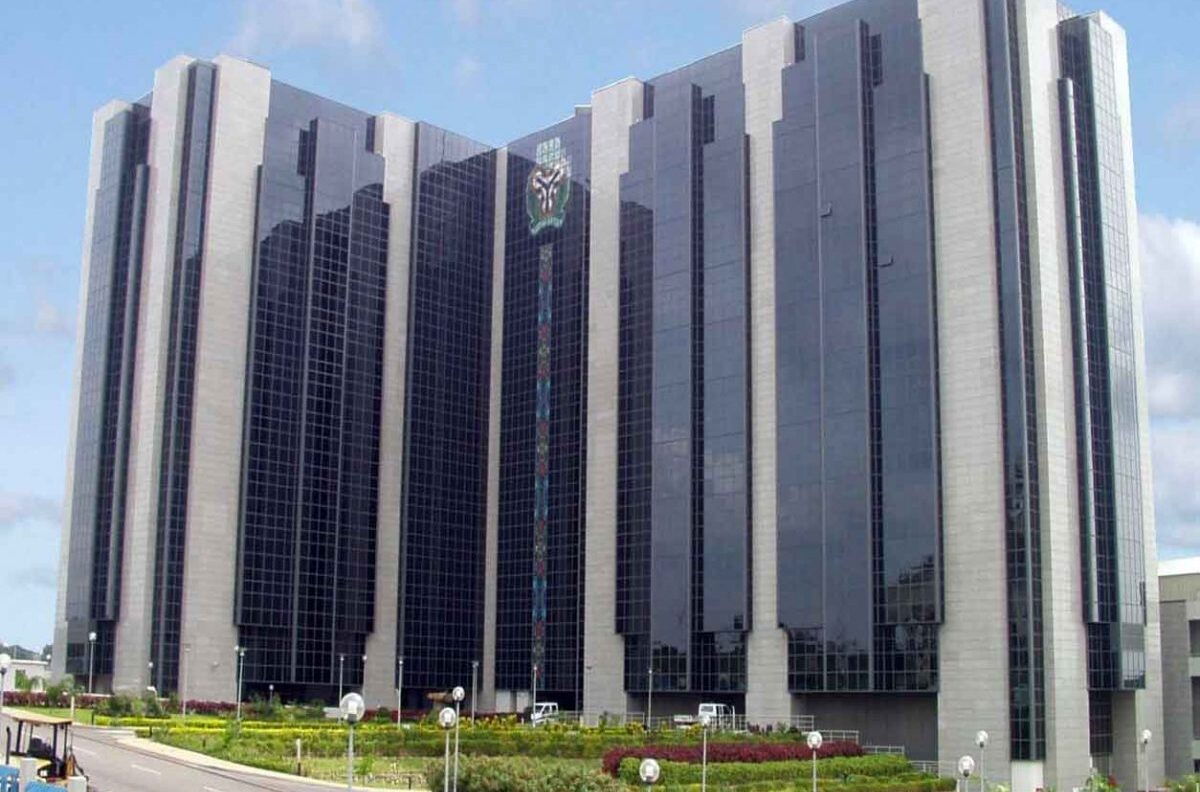
CBN unveils new overnight rate benchmark
Nigeria’s financial landscape is set for a major shift as the Central Bank of Nigeria (CBN) unveils a new benchmark, the Nigerian Overnight Financing Rate (NOFR), aimed at enhancing transparency, improving monetary policy transmission, and aligning the country with global financial standards.
The initiative, developed in collaboration with the Financial Markets Developments Association (FMDA), signals a strategic move to modernise Nigeria’s money market, boost investor confidence, and ensure consistent pricing of short-term financial instruments.
What Is the Nigerian Overnight Financing Rate (NOFR)?
The Nigerian Overnight Financing Rate (NOFR) is a standardised benchmark interest rate that reflects the cost of borrowing funds overnight between financial institutions.
By introducing NOFR, the CBN aims to create a reliable reference point for short-term lending, similar to globally recognised benchmarks such as:
- SOFR (United States)
- SONIA (United Kingdom)
- €STR (Eurozone)
- TONA (Japan)
This development places Nigeria within the league of countries operating modern, transparent money market systems.
Why the CBN Introduced the Overnight Rate
The introduction of NOFR is part of a broader effort by the CBN to strengthen the efficiency of Nigeria’s financial ecosystem.
According to the apex bank, the key objectives include:
- Enhancing transparency in the money market
- Improving price discovery for financial instruments
- Strengthening monetary policy transmission
- Supporting financial innovation and risk management
- Boosting investor confidence in Nigeria’s economy
By standardising how overnight borrowing costs are calculated, NOFR reduces ambiguity and ensures that market participants operate on a unified benchmark.
How NOFR Will Impact Banks and Investors
The introduction of NOFR is expected to have far-reaching implications across Nigeria’s financial system.
For banks, the new rate will:
- Provide a clear benchmark for short-term lending
- Improve liquidity management strategies
- Enable more accurate pricing of financial products
For investors, NOFR offers:
- Greater confidence in market transparency
- Improved risk assessment tools
- Better alignment with global investment standards
Financial analysts believe that the move could also attract foreign portfolio investments, as international investors often rely on transparent and standardised benchmarks when entering emerging markets.
READ ALSO
Alignment With Global Financial Best Practices
The CBN’s adoption of NOFR underscores its commitment to global financial integration.
By mirroring frameworks used in advanced economies, Nigeria strengthens its position in the global financial system. The benchmark also complements Africa’s existing rate:
- JIBAR (South Africa)
This alignment is expected to foster cross-border financial collaboration and improve Nigeria’s competitiveness in global capital markets.
Implementation and Governance of NOFR
Following a stakeholder engagement session held in February 2026, market participants formally adopted NOFR, with regulatory approval paving the way for its rollout.
The CBN will act as the benchmark administrator, ensuring:
- Regular publication of the rate
- Strong governance frameworks
- Transparency in calculation and reporting
The bank has also assured stakeholders of its commitment to maintaining credibility and consistency in the benchmark’s operation.
What This Means for Nigeria’s Economy
The launch of NOFR represents a critical milestone in Nigeria’s financial sector reform.
By improving how short-term interest rates are determined, the CBN is laying the foundation for:
- A more resilient financial system
- Enhanced policy effectiveness
- Increased investor trust
Ultimately, the new overnight rate is expected to drive long-term economic stability, positioning Nigeria as a more attractive destination for both local and international investors.
FAQ
What is the Nigerian Overnight Financing Rate (NOFR)?
The Nigerian Overnight Financing Rate (NOFR) is a benchmark interest rate introduced by the CBN to reflect the cost of overnight borrowing between banks in Nigeria.
Why did the CBN introduce NOFR?
The CBN introduced NOFR to improve transparency, enhance price discovery, strengthen monetary policy, and align Nigeria with global financial standards.
How does NOFR affect banks in Nigeria?
NOFR helps banks determine short-term borrowing costs, manage liquidity efficiently, and price financial products more accurately.
What is the difference between NOFR and other global rates?
NOFR is Nigeria’s version of global benchmarks like SOFR (US) and SONIA (UK), tailored to the country’s financial market structure.
Will NOFR impact loan and interest rates in Nigeria?
Indirectly, yes. By improving how benchmark rates are set, NOFR can influence broader interest rates across loans and financial products.
Who manages the NOFR benchmark?
The Central Bank of Nigeria is responsible for administering, publishing, and maintaining the integrity of NOFR.
How does NOFR benefit investors?
It provides a transparent and reliable reference rate, helping investors assess risks and make informed financial decisions.
When did NOFR take effect in Nigeria?
NOFR was adopted after stakeholder engagement in February 2026 and is now officially in use.