

Buying a Used Car in Nigeria? 5 Things to Check Before Paying

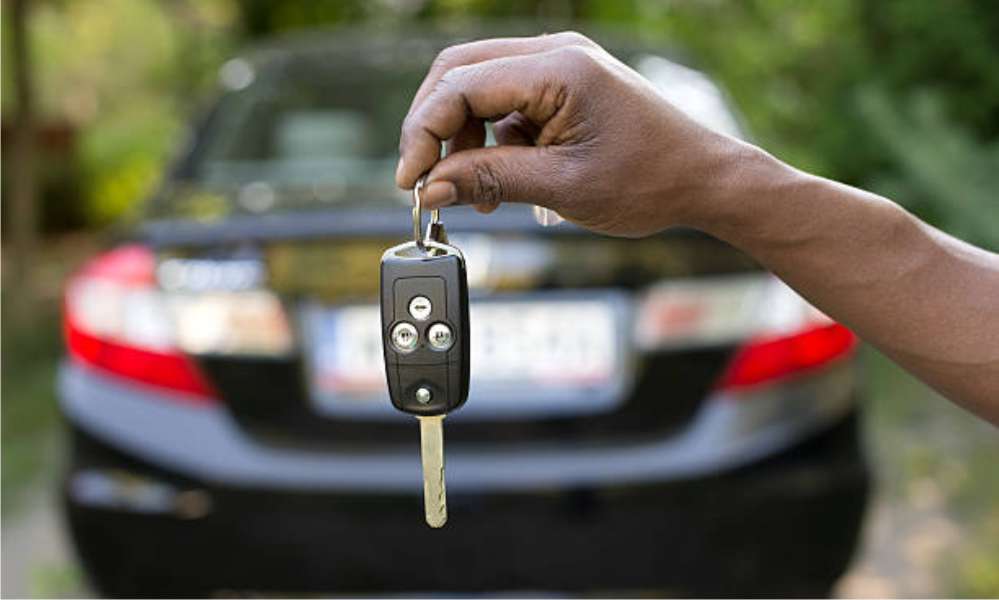
Buying a used car in Nigeria can be a major financial decision, but checking the vehicle’s appearance and taking it for a test drive may not be enough to determine whether the deal is safe.
Beyond the condition of the engine, transmission and bodywork, buyers need to establish that the vehicle is properly registered, the seller has the right to sell it and its identification details match the official records.
The Federal Road Safety Corps (FRSC) now has a Proof of Ownership Verification Platform that allows vehicle owners to verify ownership records. The platform requires users to register, submit vehicle details, undergo verification and obtain confirmation or print proof of ownership.
For anyone planning to buy a used vehicle, here are five important checks to make before handing over money.
1. Verify the vehicle’s ownership
One of the first things a prospective buyer should establish is whether the person selling the vehicle is actually connected to its official ownership records.
The FRSC’s Proof of Ownership Verification Platform was designed to allow vehicle ownership information to be checked through an official system. The agency says the platform is intended to support safer roads and help reduce vehicle-related crimes.
The FRSC’s National Vehicle Information System also provides a facility for checking a vehicle’s proof of ownership using its plate number or chassis number.
This makes verification an important step before payment, particularly when buying from an individual or an unfamiliar dealer.
A buyer should be cautious if the seller is unwilling to provide the information required to verify the vehicle.
FRSC PROOF OF OWNERSHIP VERIFICATION PORTAL
2. Check the VIN or chassis number
The vehicle identification number is another important detail to check before completing a purchase.
The VIN or chassis number on the vehicle should correspond with the number appearing on its registration and other relevant documents.
FRSC’s vehicle registration system captures information including the vehicle’s chassis number, engine number, make, model, year of manufacture and ownership information.
A mismatch should not simply be dismissed as a clerical error.
If the number on the vehicle differs from the documentation presented by the seller, the buyer should stop the transaction and seek clarification and official verification before proceeding.
The FRSC has also highlighted the role of the chassis or VIN in identifying vehicles, including its use in tracking vehicles when number plates have been removed.
FRSC PROOF OF OWNERSHIP VERIFICATION PORTAL
3. Check the vehicle’s registration documents
A seller’s word should not replace proper documentation.
Before paying for a used vehicle, buyers should examine documents such as the Proof of Ownership Certificate, vehicle licence, roadworthiness documentation and insurance records where applicable.
FRSC’s published vehicle-registration procedures show that vehicle registration involves information supplied about both the vehicle and its owner, while the process includes verification and the issuance of proof of ownership documentation.
The information contained in the documents should also correspond with the actual vehicle.
Check the registration number, chassis number, engine number, make, model and other identifying details rather than simply looking at whether the documents appear genuine.
Where there is uncertainty, the documents should be verified through the appropriate government authority.
FRSC PROOF OF OWNERSHIP VERIFICATION PORTAL
4. Check the vehicle’s history
Ownership verification is important, but it is not the only thing a buyer should investigate.
A vehicle can have a legitimate registration history and still have other issues that a prospective buyer needs to know about.
Nigeria’s National Vehicle Registry (VREG), operated under the Federal Ministry of Finance, provides vehicle information services including VIN verification, ownership transfer, duty-status checks and vehicle history reports.
According to the VREG platform, its vehicle history service can provide information relating to ownership history, accident and incident records, insurance status and inspection history.
The platform also provides a duty-status verification service, which can be used to check whether import duties and customs clearance requirements have been met.
This can be particularly relevant when purchasing an imported vehicle.
A buyer should therefore consider checking the vehicle’s history and customs status where applicable instead of relying solely on the seller’s description.
5. Have the car physically inspected
Online verification should not replace a physical inspection.
Even when a vehicle’s ownership and registration details appear correct, its mechanical condition still needs to be established.
A trusted mechanic should inspect important components such as the engine, transmission, suspension, braking system and electrical systems.
The buyer should also take the vehicle for a proper test drive and pay attention to unusual sounds, warning lights, steering behaviour, braking and transmission performance.
The physical condition of the vehicle should then be considered alongside the documentation and verification results.
A clean-looking car is not necessarily a mechanically sound car, just as valid registration does not automatically tell a buyer everything about its mechanical condition.
What buyers should do before making payment
The safest approach is to treat a used-car purchase as both a mechanical and documentation exercise.
First, obtain the vehicle’s registration details and identification numbers from the seller. Then compare those details with the actual vehicle.
Next, use available official verification systems to establish ownership and registration information. Where relevant, check the vehicle’s history and customs status.
After that, have an independent mechanic inspect the vehicle.
Only after the documentation, ownership information, vehicle history and physical condition have been satisfactorily checked should the buyer proceed with payment and ownership transfer.
The FRSC’s existing online services include vehicle registration and number-plate verification facilities, while the newer Proof of Ownership Verification Platform provides another route for checking ownership information.
For buyers, these checks can help turn a car purchase from a transaction based largely on trust into one backed by verifiable information.
The key lesson is simple: do not pay for a used car simply because it looks good or the seller appears convincing. Verify the vehicle first.