

Why was ButtaNutt peanut butter recalled in South Africa? Here’s all to know

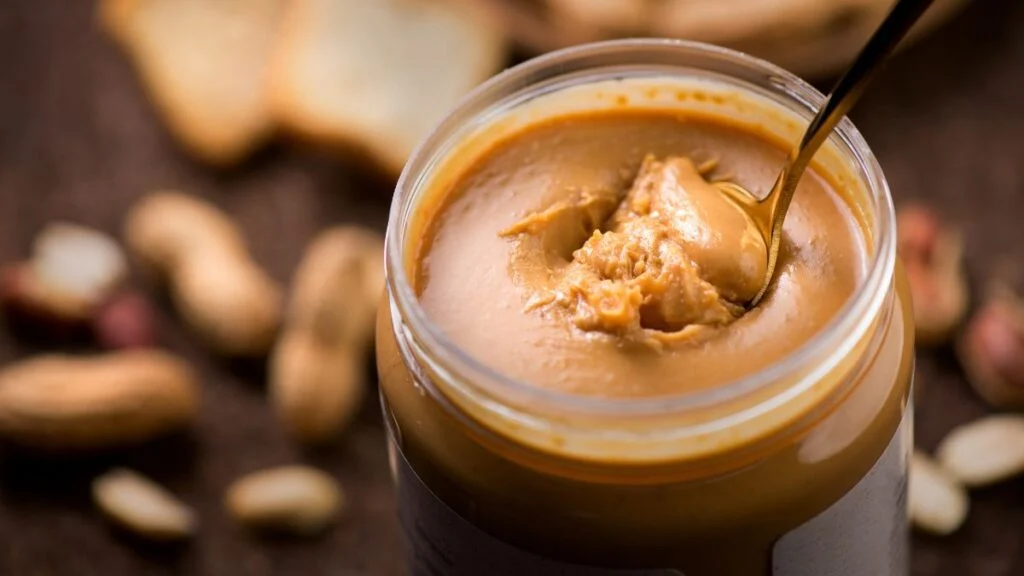
ButtaNutt Peanut Butter has been removed from store shelves across South Africa after authorities confirmed that certain batches contain higher-than-legal levels of aflatoxin, a naturally occurring toxin that poses potential health risks when consumed over time.
The recall, confirmed by the National Consumer Commission (NCC), adds to a growing list of food safety incidents involving peanut butter products in the country and has reignited public concern following similar recalls in 2024.
What Triggered the Recall?
The NCC said it received a formal product recall notification from ButtaNutt (Pty) Ltd after testing revealed that some of its peanut butter products failed to meet South Africa’s regulated safety limits for aflatoxin.
Aflatoxin is produced by certain fungi that can contaminate crops such as peanuts, maize, and grains. Because of its toxicity, the substance is strictly regulated under the Department of Health’s Regulation R.1145, which sets maximum permissible limits for fungus-related toxins in food products.
According to the NCC, the affected ButtaNutt products exceeded the allowable threshold, prompting immediate action to protect consumers.
Which Products Are Affected?
The recall applies to specific batches of both peanut butter and chocolate peanut butter, which were distributed across multiple provinces, including:
-
Gauteng
-
KwaZulu-Natal
-
Eastern Cape
-
Western Cape
The products were sold through a mix of independent retailers and major supermarket chains. Stores impacted include several Spar branches, selected Pick n Pay outlets, specialty food markets, farm shops, and holiday resort stores.
Consumers who purchased ButtaNutt products from these locations are being urged to check batch numbers carefully and stop consumption immediately if their product is affected.
Health Risks Explained
The Cancer Institute of South Africa has warned that exposure to aflatoxin can cause both short-term and long-term health effects.
In the short term, ingestion may lead to symptoms such as:
-
Nausea
-
Vomiting
-
Abdominal pain
Long-term exposure, particularly through repeated consumption over extended periods, has been linked to more severe outcomes, including liver damage and liver cancer.
Prudence Moilwa from the NCC emphasized that affected products should not be consumed under any circumstances and must be returned to the point of purchase. Consumers who experience symptoms after consumption are advised to report the matter to the Commission.
Official Response from the NCC
Acting NCC Commissioner Hardin Ratshisusu called on the public to take the recall seriously.
“Consumers should immediately stop consuming the affected products and return them to the point of purchase for a full refund,” he said.
Ratshisusu added that the Commission is working closely with the supplier to determine the full scope of the contamination, including whether it originated from the raw peanut supply chain.
Not the First Peanut Butter Recall
This is the second major aflatoxin-related peanut butter recall in South Africa in recent years.
In 2024, the NCC investigated dairy group Clover following the recall of over 10,000 units of its Go Nuts Peanut Butter after elevated aflatoxin levels were detected. That recall triggered a wider investigation, leading to additional recalls involving products from Dis-Chem, Pick n Pay, Woolworths, Eden All Natural, and Wazoogles Superfoods.
Following those incidents, the NCC urged all manufacturers of peanut-based products to intensify testing and quality control procedures.
ButtaNutt’s Response
In an update issued after the recall announcement, ButtaNutt confirmed that the recall was initiated proactively following routine internal testing in late January 2026.
The company said aflatoxin levels above the regulatory limit of 10 parts per billion (ppb) were detected in a limited number of batches. While most of the affected stock was secured before reaching retailers, 83 units were released to stores.
ButtaNutt stressed that the health risk to consumers remains low, noting that aflatoxin-related illnesses are typically associated with long-term, repeated exposure, rather than one-off consumption.
As part of corrective measures, the company announced the implementation of a “Positive Release” protocol, meaning no product will leave its facility without independent verification confirming compliance with aflatoxin limits.
CEO Antoine van Heerden apologized to customers, stating that ensuring food safety remains the company’s highest priority and that a full investigation with suppliers is underway.
What Consumers Should Do Now
Consumers are advised to:
-
Check batch numbers on affected products
-
Stop consumption immediately
-
Return products to the place of purchase for a full refund
-
Contact ButtaNutt directly if the product was bought online
Authorities say the recall is precautionary and intended to prevent any potential long-term health risks.
Frequently Asked Questions (FAQ)
Why was ButtaNutt peanut butter recalled?
Testing found aflatoxin levels above the legal limit set by South African health regulations.
What is aflatoxin?
Aflatoxin is a toxin produced by certain fungi that can contaminate peanuts and other crops.
Is it dangerous to consume the product?
Short-term exposure may cause stomach-related symptoms, while long-term exposure has been linked to liver cancer.
Which provinces were affected?
Products were sold in Gauteng, KwaZulu-Natal, Eastern Cape, and Western Cape.
Can I get a refund?
Yes. Consumers should return affected products to the point of purchase for a full refund.