

Burna Boy early music catalogue in legal turmoil as Warner Music faces pressure in explosive rights battle

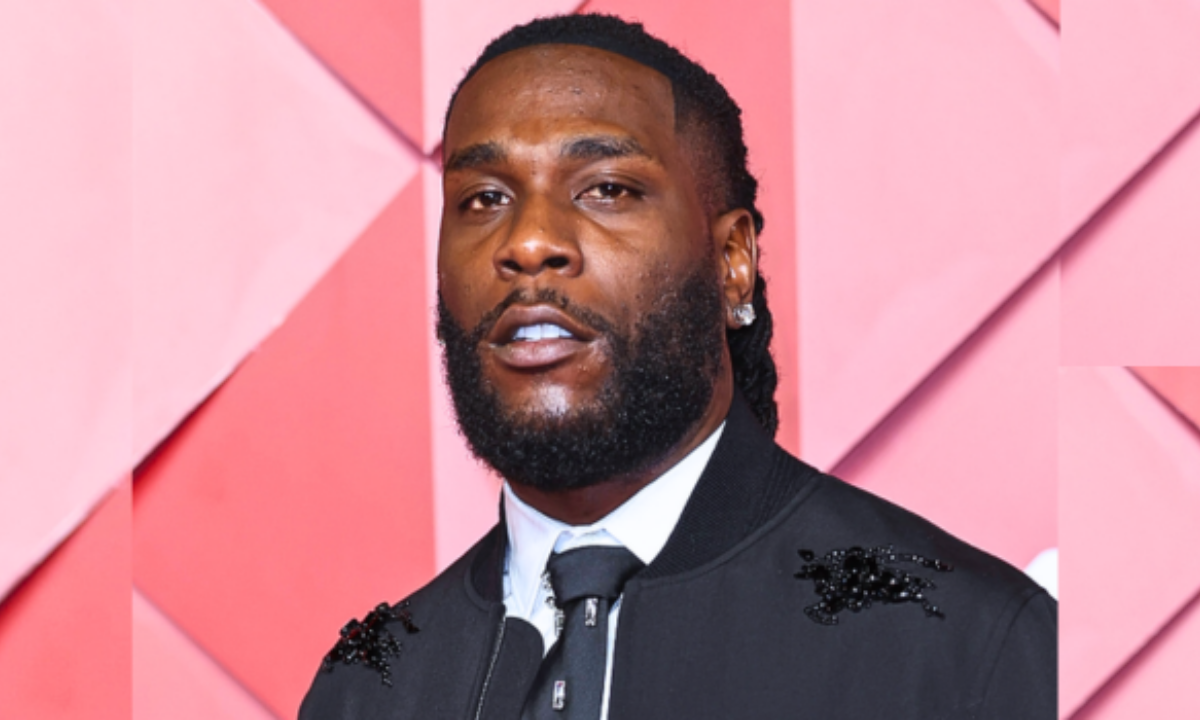
Burna Boy
A growing legal battle over Burna Boy’s early music catalogue is intensifying in Nigeria, with Warner Music Group now facing pressure to halt distribution and monetisation of some of the Afrobeats star’s earliest and most commercially significant works.
At the centre of the dispute are L.I.F.E (2013) and Redemption (2016), two albums from Burna Boy’s formative years under Aristokrat Records. A Lagos law firm representing 960 Music Limited says the alleged transfer of those masters to Spaceship Music was unlawful and lacked the required approvals. As a result, the matter has now become both a civil and criminal legal flashpoint, with Warner Music potentially at risk of being drawn deeper into the proceedings.
The dispute is rapidly becoming one of the most closely watched music rights controversies in Nigeria, raising major questions about master ownership, catalogue control, royalties, and legacy contracts in the African music business.
Why Burna Boy’s Early Catalogue Is Now at the Centre of a Major Legal Battle
The current dispute revolves around claims that Burna Boy’s early masters, specifically L.I.F.E and Redemption, were allegedly transferred from Aristokrat Records Nigeria Limited to Spaceship Music Limited in mid-2024.
According to Creative Legal, acting for 960 Music Limited, the company says it was not informed and did not consent to the alleged assignment. The firm argues that 960 Music, which it says owns a 40% stake in Aristokrat Records, was entitled to notice and approval rights before any such transaction could take place. Lawyers for the company contend that the transaction was executed without board or shareholder approval, and they are now seeking to have it nullified in court.
This is significant because Burna Boy’s early catalogue includes songs and projects that helped define his rise from promising Nigerian talent to one of Africa’s biggest global stars. If ownership is successfully challenged, it could create legal uncertainty over who controls those masters, who can license them, and who collects related royalties.
Warner Music Group Faces Pressure to Suspend Distribution and Monetisation
The legal heat has now shifted toward Warner Music Group because it is alleged to be involved as a distributor for Spaceship Music, Burna Boy’s current label structure.
Creative Legal said it formally notified Warner Music and demanded the immediate suspension of all distribution, marketing, monetisation, licencing, and related commercial activities connected to the disputed works. The law firm also asked the company to preserve financial and royalty records, avoid entering into new agreements tied to the catalogue, and provide written confirmation of compliance within seven days.
As of the deadline, the firm said Warner Music had not formally responded, a development that could increase the likelihood of further legal escalation. A spokesperson for Creative Legal said “all options” were being considered, including adding Warner Music to the suit if the company does not engage “reasonably.”
That threat dramatically raises the stakes. If a global major like Warner is pulled into a local catalogue rights battle in Nigeria, the case could become a landmark moment in the evolving relationship between African rights holders and multinational music companies.
The Court Cases: Civil and Criminal Proceedings Already Underway
The dispute is not merely theoretical, it is already before the courts.
Creative Legal says the alleged transfer is the subject of civil proceedings at the Federal High Court in Port Harcourt, listed as Suit No. FHC/PH/CS/188/2024: 960 Music Ltd v. Aristokrat Records Nigeria Limited & Ors. In that case, 960 Music is seeking the nullification of the assignment and a refund of the sale proceeds.
In addition, the matter has spilled into criminal proceedings. The firm said a separate case, Charge No. FHC/L/1087/2025: Commissioner of Police v. Aristokrat Records Nigeria Limited & Anor., has been instituted in Lagos, with allegations that include fraudulent conversion and related offences.
Channels Television further reported that allegations have also been directed at Aristokrat Records chief executive Piriye Isokrari, including accusations of fraud, financial misconduct, breach of fiduciary duty, and diversion of sale proceeds, though those remain allegations pending judicial determination.
What 960 Music and Its Lawyers Are Alleging
The case being advanced by 960 Music is rooted in corporate governance and ownership rights.
Its legal team argues that because 960 Music is a major shareholder in Aristokrat Records, any assignment of Burna Boy’s historical masters should have gone through proper board procedures and shareholder consent mechanisms. They claim that the alleged sale to Spaceship Music did not satisfy those requirements.
Lawyers are therefore asking the court to determine whether the transfer was valid and, if not, whether the transaction should be voided entirely. If the court agrees, the catalogue could be thrown into a state of legal limbo until ownership is properly re-established.
That matters not just for Burna Boy’s business interests, but also for every stakeholder who may currently be exploiting the works, including distributors, streaming platforms, publishers, and potential licensees.
READ ALSO
Speed Darlington files ₦300m suit for unlawful detention amidst Burna Boy’s Saga
Why the Burna Boy Catalogue Dispute Matters for Nigeria’s Music Industry
Beyond the celebrity angle, this story is a major music business and intellectual property case.
Nigeria’s music industry has become one of the fastest-growing cultural export sectors in the world, with Afrobeats stars like Burna Boy driving global demand. Recent industry data highlighted strong momentum across the region, with Sub-Saharan Africa’s recorded music revenues rising 15.2% in 2025 to $120 million, according to IFPI figures reported by Ripples Nigeria.
In that context, ownership of legacy catalogues has become increasingly valuable. Early albums that once seemed locally significant can now generate global streaming revenue, sync licencing income, catalogue acquisition interest, and long-tail royalties.
This is why the Burna Boy rights dispute could become a defining case. It highlights the tensions between:
- artists and former labels
- shareholders and executives
- local corporate governance rules and global distribution systems
- historic contracts and modern catalogue monetisation
For artists across Africa, the outcome may influence how future deals are structured, especially around master rights, catalogue buybacks, shareholder consent, and international distribution partnerships.
Could Burna Boy’s Most Popular Early Songs Be Affected?
Potentially, yes.
Channels Television reported that if the court rules in favour of 960 Music, control over Burna Boy’s early catalogue, including some of his most popular tracks, could be affected, creating uncertainty over who legally owns and controls the masters.
That does not automatically mean the songs disappear from streaming services immediately, but it could affect:
- distribution arrangements
- royalty flows
- licencing approvals
- future sync deals
- ownership claims over revenue already generated
Much will depend on whether Warner Music or other parties voluntarily suspend activity, whether a court issues interim orders, and how aggressively the claimants pursue enforcement.
What Happens Next in the Burna Boy vs Warner Music Catalogue Dispute?
The next major trigger will likely be Warner Music’s response, or continued silence.
Creative Legal says the response deadline has expired and that it is now awaiting instructions from 960 Music Limited on what to do next. That could mean:
- seeking stronger court intervention
- expanding the list of defendants
- pursuing disclosure of royalty and accounting records
- requesting urgent preservation orders
If Warner Music is eventually joined to the proceedings, the case could evolve from a Nigerian shareholder dispute into a high-profile international music rights confrontation.
For now, the case remains a developing story, but one with serious implications for Burna Boy’s early catalogue, Warner Music’s exposure, and the future of catalogue rights enforcement in Nigeria.
FAQ
1. Why is Burna Boy trending today?
Burna Boy is trending because a legal dispute over his early music catalogue has escalated, with Warner Music Group facing pressure to suspend distribution and monetisation of two key early albums: L.I.F.E (2013) and Redemption (2016).
2. What is the Burna Boy catalogue dispute about?
The dispute centres on allegations that Burna Boy’s early masters were transferred from Aristokrat Records to Spaceship Music without proper board or shareholder approval. 960 Music Limited says it was not informed or asked to consent and is challenging the deal in court.
3. Which Burna Boy albums are involved in the legal case?
The two albums specifically named in reports are L.I.F.E (2013) and Redemption (2016), both part of Burna Boy’s early catalogue.
4. Who is suing in the Burna Boy catalogue case?
The challenge is being led by 960 Music Limited, represented by Creative Legal, against the alleged transfer involving Aristokrat Records Nigeria Limited and related parties. The civil matter is already before the Federal High Court in Port Harcourt.
5. Is Warner Music being sued in the Burna Boy dispute?
Not yet, based on the current reporting. However, Creative Legal says it is considering adding Warner Music Group to the suit if the company does not engage or respond reasonably after being formally notified.
6. Why is Warner Music involved in the Burna Boy catalogue controversy?
Warner Music is involved because it is reported to be the distributor for Spaceship Music, which is linked to the allegedly disputed catalogue transfer. Lawyers want Warner to stop all distribution, monetisation, licencing and related commercial activity tied to the works until the courts decide ownership.
7. What is 960 Music asking the court to do?
960 Music is seeking to nullify the alleged catalogue assignment and recover the proceeds from the transaction. It is also demanding that commercial exploitation of the disputed works be halted while the case is ongoing.
8. Is there a criminal case connected to Burna Boy’s catalogue dispute?
Yes. Reports say there is a criminal proceeding in Lagos tied to the same transaction, with allegations that include fraudulent conversion and related offences. These remain allegations pending judicial determination.
9. Will Burna Boy’s songs be removed from streaming platforms?
There is no confirmed report that Burna Boy’s songs have been removed from streaming platforms at this stage. However, if the dispute escalates or if a court issues interim orders, distribution and licencing arrangements for the affected catalogue could change.
10. What are “masters” in the Burna Boy legal case?
In music, masters are the original sound recordings that generate revenue from streaming, downloads, licencing, and other commercial uses. Whoever controls the masters often controls how the songs are distributed and monetised.
11. Could Burna Boy lose control of his early catalogue?
That depends on the court’s findings and the actual contractual structure. The current reports do not conclusively establish final ownership, only that ownership is being challenged. If the court rules the transfer was invalid, control of the early catalogue could become legally uncertain until a final determination is made.
12. Why does this Burna Boy legal battle matter beyond one artist?
This case matters because it touches on artist rights, shareholder approvals, catalogue acquisitions, and global distribution in the booming Afrobeats economy. It could influence how Nigerian and African music catalogues are sold, managed, and protected going forward. Recent industry data shows Sub-Saharan Africa’s recorded music revenues rose 15.2% in 2025, underscoring why catalogue rights are becoming more valuable and more contested.