

Trump targets Bombardier in trade war escalation, threatens 50% tariff and ‘decertification’ of Canadian Aircraft

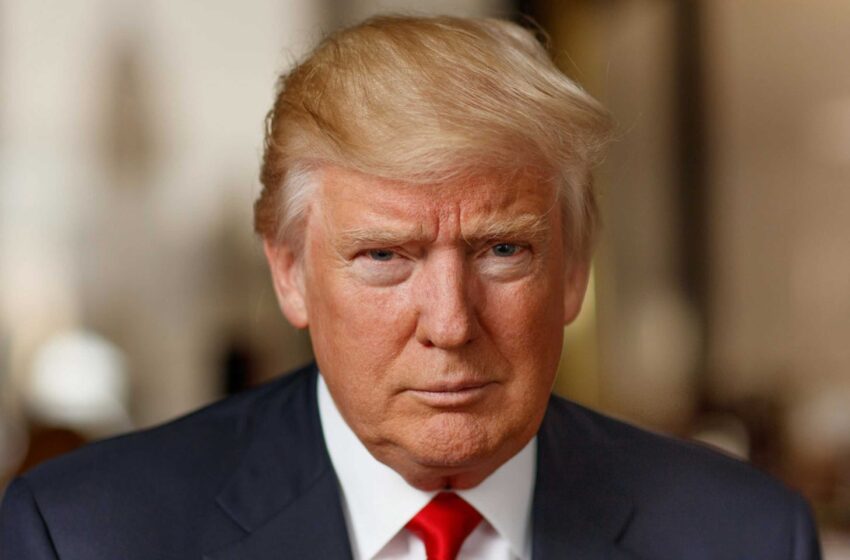
Donald Trump. Picture: David Hume Kennerly/Getty Images
Canadian aerospace giant Bombardier has been thrust back into the centre of a renewed Canada–U.S. trade war, after U.S. President Donald Trump threatened to impose a 50 per cent tariff on Canadian-made aircraft and claimed his administration would “decertify” Bombardier jets operating in the United States.
The remarks, posted on Trump’s Truth Social platform, specifically targeted Bombardier Global Express aircraft, sending shockwaves through Canada’s aviation sector and raising serious questions about the limits of presidential authority over aircraft certification.
Trump’s Threats Against Bombardier Explained
Trump accused Canada of “illegally” blocking certification of several business jets produced by U.S.-based Gulfstream, a key Bombardier competitor. He claimed Ottawa’s actions amounted to unfair trade practices and vowed retaliation.
In his post, Trump warned that unless Gulfstream aircraft were fully certified in Canada, the U.S. would move to “decertify” Bombardier Global Express jets and all aircraft made in Canada, while also slapping a 50% tariff on aircraft sold into the American market.
The threat marks one of the most aggressive trade statements Trump has made since his re-election, reigniting fears of a broader economic confrontation between the two countries.
Can Trump Actually Decertify Bombardier Aircraft?
Aviation experts say no. According to CTV News aviation analyst Phyl Durdey, Trump does not have the authority to arbitrarily decertify aircraft. That power rests solely with the U.S. Federal Aviation Administration (FAA), an independent regulatory body.
Durdey noted that Bombardier aircraft already meet FAA certification standards, and thousands of Canadian-built jets currently operate legally in U.S. airspace. Even the U.S. military relies on Bombardier platforms, including modified Global Express aircraft used as E-11A BACN surveillance jets.
Any attempt to revoke certification without due process, experts warn, would likely face immediate legal and regulatory challenges.
READ ALSO
Is the Government shutting down again? Trump–Schumer deal buys time as DHS funding fight escalates
Bombardier Responds to Trump’s Tariff Threat
Bombardier confirmed it is in direct contact with the Canadian federal government following Trump’s remarks.
In a statement, the company emphasized that its aircraft, facilities, and technicians are fully certified to FAA standards and that Bombardier continues to invest and expand operations within the United States.
“We hope this is quickly resolved to avoid a significant impact to air traffic and the flying public,” the company said, underscoring concerns that political interference could disrupt aviation safety and international travel.
A Familiar Fight: Trump’s History With Bombardier
This is not the first time Bombardier has been targeted by Trump. During his first term, the U.S. imposed tariffs of nearly 300 per cent on Bombardier’s C Series aircraft, a move that ultimately forced the company to sell the program to Airbus, where it was rebranded as the A220.
That episode remains one of the most consequential trade disputes in modern Canadian manufacturing history and is often cited as a cautionary tale about the long-term impact of protectionist trade policies.
Broader Impact on Canada’s Aerospace Industry
Bombardier is not the only company potentially affected. De Havilland Canada and Airbus, both of which operate manufacturing facilities in Canada, could also face consequences if Trump follows through on aviation-specific tariffs.
Industry analysts warn that any disruption to cross-border aircraft certification would harm both economies, given the deeply integrated nature of North American aerospace supply chains.
Rising Political Tensions Between Ottawa and Washington
Trump’s comments come amid heightened political tensions between Canada and the United States, particularly following Prime Minister Mark Carney’s high-profile speech at the World Economic Forum in Davos, which many interpreted as pushback against U.S. trade pressure.
Trump has since adopted a more confrontational tone, repeatedly threatening tariffs and warning Canada against closer trade ties with China.
Despite the rhetoric, experts caution that such threats may serve more as negotiating leverage than actionable policy.
What Comes Next for Bombardier
While no formal tariff or decertification process has been initiated, Bombardier’s position at the heart of the dispute highlights the fragility of Canada–U.S. trade relations ahead of a scheduled review of the Canada–U.S.–Mexico Agreement (CUSMA).
For now, Bombardier aircraft remain fully certified and operational, but uncertainty continues to loom over the sector.
FAQ
What is Bombardier?
Bombardier is a Canadian aerospace company best known for manufacturing business jets, including the Global Express series.
Why is Trump targeting Bombardier?
Trump accuses Canada of blocking certification of U.S.-made Gulfstream jets and has threatened retaliation against Bombardier aircraft.
Can Trump decertify Canadian aircraft?
Experts say no. Aircraft certification authority lies with the U.S. Federal Aviation Administration, not the president.
What tariff is Trump threatening on Bombardier aircraft?
Trump has threatened a 50% tariff on all Canadian-made aircraft sold into the United States.
Are Bombardier jets still certified in the U.S.?
Yes. Bombardier aircraft currently meet FAA certification standards and continue to operate legally.
Has Bombardier faced U.S. tariffs before?
Yes. During Trump’s first term, Bombardier faced nearly 300% tariffs on its C Series aircraft.
Could this affect other Canadian aerospace companies?
Yes. De Havilland Canada and Airbus facilities in Canada could also be impacted if aviation tariffs are imposed.
What impact could this have on the U.S.?
Experts warn that targeting Bombardier could also harm U.S. jobs, supply chains, and even military operations that rely on Canadian-built aircraft.