

Australia Restricts Travel for Iranian Visa Holders: Who Is Affected?

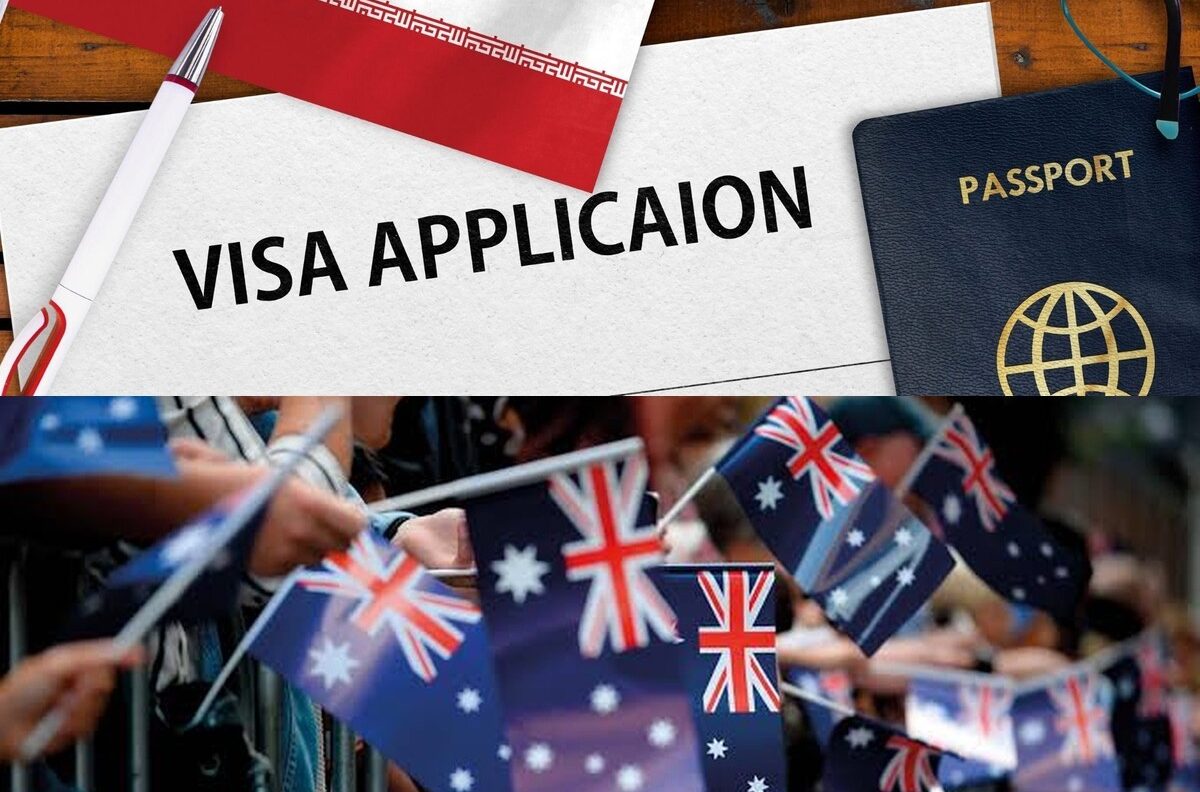
Australia has temporarily restricted travel for a specific group of Iranian passport holders as the government introduces new controls affecting some people with Australian visitor visas.
The restriction applies to people who are outside Australia and hold a Visitor (Subclass 600) visa linked to an Iranian passport.
Australia’s Department of Home Affairs said the measure took effect on March 26, 2026, and will remain in force for six months. Under the arrangement, affected Visitor visas have temporarily ceased to be in effect unless the holder falls within an exemption.
The announcement does not amount to a blanket restriction on every Iranian citizen travelling to Australia. The Australian Government has identified specific categories of people who are affected and others who are exempt.
Who is affected by Australia’s travel restriction?
The restriction applies when all of the following conditions are met:
- The person is outside Australia.
- The person holds a Visitor (Subclass 600) visa.
- The visa is linked in Australian government records to a passport issued by the Islamic Republic of Iran.
For people who meet those conditions, the Visitor visa has temporarily ceased to be in effect because of the Arrival Control Determination.
This means having a previously granted Visitor visa does not, by itself, guarantee that an affected Iranian passport holder can travel to Australia during the period covered by the determination.
When did the restriction begin?
The Australian Government’s Arrival Control Determination began on March 26, 2026, and is scheduled to remain in force for six months.
The government introduced the measure under legislation passed by Australia’s Parliament earlier in March.
Home Affairs Minister Tony Burke said the government was acting amid rapidly changing global conditions and described the measure as a temporary restriction intended to give authorities time to assess the situation.
Who is not affected?
Australia has listed several categories that are excluded from the restriction.
The Arrival Control Determination does not apply to people who were already in Australia when the measure began.
It also does not apply to certain immediate family members of people in Australia, including the spouse, de facto partner or dependent child of an Australian citizen, Australian permanent visa holder or an Australian resident who is not subject to a time limitation.
Parents of a child under 18 who is already in Australia are also excluded.
Other exemptions include people who have been issued a Permitted Travel Certificate that remains in force and people who hold another type of Australian visa.
The exemptions mean the restriction should not be interpreted as applying automatically to every Iranian passport holder.
Can affected Iranian visa holders still travel to Australia?
In limited circumstances, yes.
Australia says some affected people may still be allowed to travel if they receive a Permitted Travel Certificate.
Requests for the certificate are considered on a case-by-case basis and are only expected to be granted in limited circumstances. Applications can be made through the Arrival Control Determination Portal on the Department of Home Affairs website.
The government has also said it will give sympathetic consideration to cases involving parents of Australian citizens.
There is a specific provision for affected travellers who had already started their journey to Australia before the determination came into effect.
The government said people who began their trip before March 26, including those transiting through a third country for less than 24 hours, will generally be issued a Permitted Travel Certificate and do not need to apply for one in those circumstances.
Can affected people still apply for an Australian visa?
The restriction does not prevent people outside Australia from applying for a new visa.
According to the Australian Government, both applications that had already been lodged and new applications will continue to be assessed on their individual merits under the existing visa criteria and processes.
This is an important distinction because the Arrival Control Determination affects the operation of certain existing Visitor visas; it does not permanently prevent Iranian passport holders from submitting Australian visa applications.
What does this mean for people planning to travel?
Iranian passport holders who are planning to travel to Australia should check their individual visa status before making travel arrangements.
People who are outside Australia and hold a Visitor (Subclass 600) visa linked to an Iranian passport should not assume that their existing visa remains effective during the period of the determination.
They should instead confirm whether they fall under the restriction or one of the listed exemptions.
Australia’s Department of Home Affairs also advises travellers to check their visa information before travelling. The department says a visa is electronically attached to the passport used in the visa application, making it important for travellers to use the relevant travel document when checking their status.
Why did Australia introduce the restriction?
The Australian Government said the measure was introduced amid the conflict in Iran and concerns about the circumstances of some temporary visa holders.
According to Minister Burke, the conflict increased the risk that some temporary visa holders might be unable or unlikely to leave Australia when their visas expire.
The government said the temporary arrangement would give it time to assess the situation while retaining the ability to allow travel in limited circumstances through the Permitted Travel Certificate system.
The government also said the measure was aimed at protecting what it described as the integrity and sustainability of Australia’s migration system.
How long will the restriction last?
The Arrival Control Determination began on March 26 and is in force for six months.
The Australian Government said it would continue monitoring global developments and adjust its settings as required.
Therefore, travellers affected by the measure should check the Department of Home Affairs’ latest information before making plans, particularly as the arrangement is temporary.
What Iranian passport holders should know
Australia’s latest announcement is targeted at a specific category of travellers.
It affects people who are outside Australia, hold a Visitor (Subclass 600) visa and have an Iranian passport linked to that visa.
Their Visitor visa has temporarily ceased to be in effect unless an exemption applies.
However, the restriction does not cover everyone with an Iranian passport. People already in Australia when the measure began, certain family members of people in Australia, parents of children under 18 in Australia, people with a valid Permitted Travel Certificate and holders of other visa types are among those excluded from the determination.
For affected travellers, Australia has also left a limited pathway through Permitted Travel Certificates, while continuing to assess new and existing visa applications.
Anyone affected should therefore check the official Australian Department of Home Affairs information before travelling or making new visa arrangements.