

Angela Rayner breaks ranks: Ex-Deputy PM slams Labour immigration plan as ‘un-British’ in stunning warning to Starmer

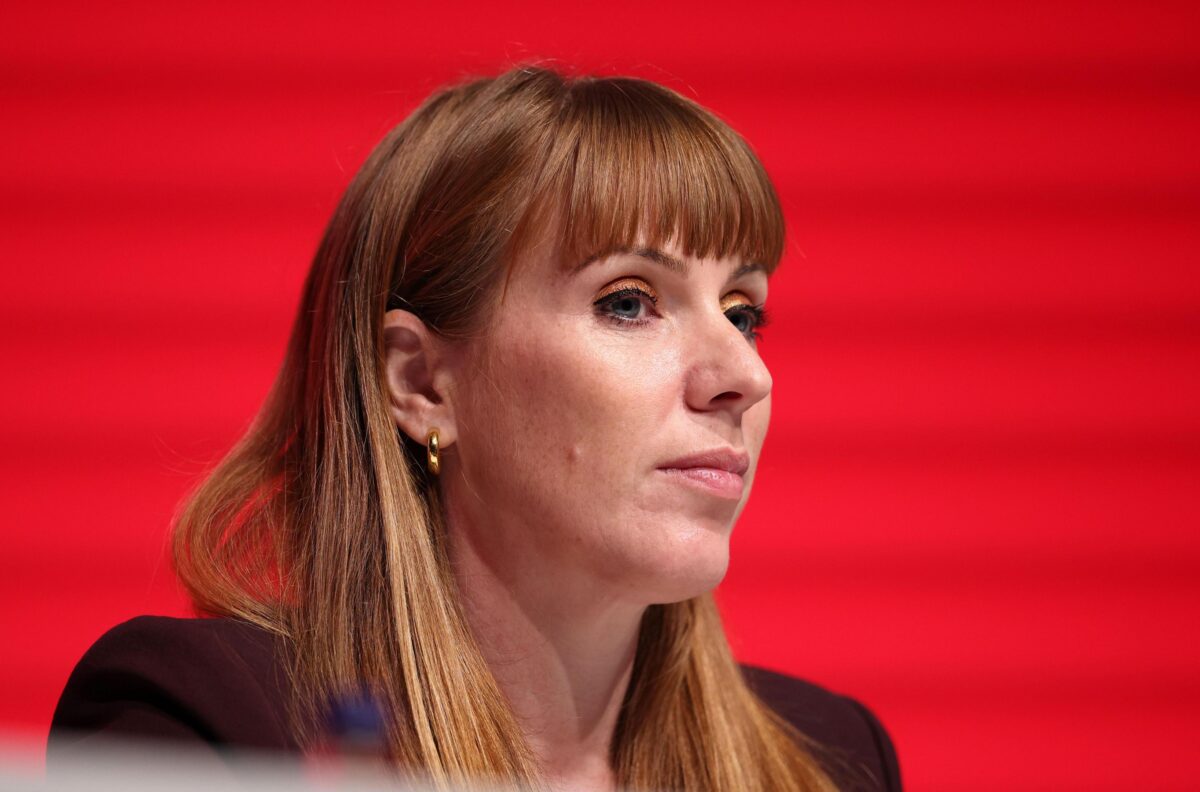
Angela Rayner criticises Labour’s immigration reforms
In one of her most significant political interventions since stepping down as deputy prime minister last year, Angela Rayner has issued a stark warning to the Labour government, saying the party “cannot just go through the motions in the face of decline” and describing planned changes to migrant settlement rules as “un-British.”
The former deputy prime minister’s comments, delivered at a Mainstream group reception in London, are already being read as a major challenge to the direction of Keir Starmer’s government amid growing concerns over Labour’s falling popularity and intensifying speculation about the party’s future leadership. According to BBC News, Rayner said Labour was “running out of time” to prove it can deliver the change voters expected, while openly criticising plans to make it harder for migrants already in the UK to secure permanent residence.
Angela Rayner calls Labour immigration reforms “un-British”
At the heart of Rayner’s intervention is Labour’s controversial proposal to double the standard qualifying period for settlement, also known as indefinite leave to remain (ILR), from five years to 10 years for most migrant workers.
Under the current system, eligible migrants can typically apply for indefinite leave to remain after five years, allowing them to live, work and study in the UK permanently. Labour ministers have argued the new model should make settlement something migrants “earn,” but Rayner sharply pushed back on that framing.
“We cannot talk about earning a settlement if we keep moving the goalposts,” she said, arguing that changing the rules for people already in the system undermines fairness and stability. She added that such a move “undermines our sense of fair play” and is therefore “un-British.” Her remarks place her directly at odds with a central plank of the government’s immigration strategy.
Why the UK settlement rule change matters for migrants
The proposed reform would reshape one of the most important parts of the UK immigration system. Settlement, or ILR, gives a person the right to remain in the UK indefinitely and can be a stepping stone toward British citizenship.
Labour’s broader migration changes, as previously outlined, include a 10-year settlement route replacing the five-year norm, with some fast-track or variable pathways depending on occupation and contribution. Reporting has also suggested some refugee or lower-paid routes could face much longer waits under tougher rules, intensifying concern among campaigners, employers and some Labour MPs.
Critics say the reforms risk destabilising families, discouraging skilled workers and damaging sectors already dependant on overseas labour, including health and social care. Recent reporting highlighted fears that thousands of workers in critical sectors could reconsider their future in Britain if settlement becomes significantly harder to secure.
Rayner warns Labour is “running out of time” amid falling support
Rayner’s speech went beyond immigration. She used the platform to issue a broader political warning: Labour, she argued, risks losing public trust if it fails to make change visible and tangible.
She said the public needs to see and feel the change they voted for, stressing that Labour “cannot hide” while support declines. That language is especially significant given the party’s recent turbulence, including concerns over electoral setbacks and internal frustration over policy direction.
Her intervention comes after weeks of speculation around Labour’s internal future, with some figures and union voices openly floating her as a possible alternative to Starmer if the government’s difficulties deepen. The Guardian has previously reported on a temporarily published “Rayner for leader” website and growing chatter inside Labour ranks about her future role.
READ ALSO
Who is Angela Rayner, the UK deputy PM who quit over a tax scandal?
Did Angela Rayner’s emotional commons comeback spark new hope and reflection within Labour?
Is Angela Rayner positioning herself for a Labour leadership challenge?
While Rayner did not announce any leadership bid, her speech will inevitably fuel questions about whether she is positioning herself as the voice of Labour’s soft-left and union-backed base.
The timing matters. She has remained a powerful figure within the party despite resigning from senior government office last year, and she continues to attract support from Labour MPs and union figures uneasy with the government’s tougher rhetoric on migration and slower-than-expected delivery on bread-and-butter issues.
For now, there is no formal leadership contest. But politically, this was a clear signal: Rayner is willing to publicly challenge the government on one of its most sensitive issues, and she is framing that challenge around fairness, trust and Labour’s electoral survival.
Government defends tougher immigration stance
Despite Rayner’s criticism, Labour ministers have defended the reforms as necessary. Home Secretary Shabana Mahmood has argued that extending the path to settlement is “fair” and helps protect public finances, while framing permanent settlement as a “privilege, not a right.”
The government’s position reflects a broader hardening of Labour’s migration message, designed in part to address voter anxiety around border control and legal migration. However, polling and recent political commentary suggest that Labour still faces a credibility gap on immigration, with many voters unconvinced by the government’s current approach.
What Angela Rayner’s warning means for Labour now
Rayner’s intervention matters because it cuts to the core of Labour’s current political dilemma: how to appear tough on immigration without alienating its own base, migrant communities, unions and progressive voters.
By calling the proposed settlement changes “un-British,” she has turned a technical immigration reform into a much bigger arguement about trust, fairness and Labour’s identity. In doing so, she has also made it harder for the government to present internal unity on one of the most contested issues in British politics.
Whether this becomes a one-off warning or the start of a more sustained campaign of pressure from within Labour remains to be seen. But one thing is already clear: Angela Rayner has re-entered the political spotlight, and Westminster will be watching closely.
FAQ
1. What did Angela Rayner say about Labour’s immigration reforms?
Angela Rayner said Labour’s proposed immigration settlement changes are “un-British” because they would effectively “move the goalposts” for migrants already living lawfully in the UK. She argued that people who came under one set of rules should not face a sudden extension of the path to permanent residence.
2. Why did Angela Rayner call the reforms “un-British”?
Rayner said the reforms undermine fair play and stability, especially for migrants who have built lives in the UK based on the existing five-year settlement route. Her view is that changing the rules midway is unfair and damages trust in government.
3. What is Labour proposing to change in UK settlement rules?
Labour is proposing to extend the standard route to indefinite leave to remain (ILR) from five years to 10 years for most migrant workers. Some routes may be shortened or lengthened depending on skill level, contribution or immigration category.
4. What is indefinite leave to remain (ILR) in the UK?
Indefinite leave to remain (ILR) is permanent residence status in the UK. It allows a person to live, work and study in the UK without time restrictions and may later help them qualify for British citizenship, subject to eligibility rules.
5. Is the UK really changing settlement from 5 years to 10 years?
Labour has proposed moving to a 10-year settlement framework as part of broader immigration reforms. However, implementation details can still be shaped by consultation, political pressure and parliamentary debate.
6. Will the new rules affect migrants already in the UK?
That is the biggest concern raised by critics, including Angela Rayner. Her speech specifically focused on people already in the system, warning that changing the rules for them would be a breach of trust and create uncertainty for families and workers.
7. Did Angela Rayner criticise Keir Starmer directly?
Rayner did not personally attack Keir Starmer by name in the most confrontational way, but her speech was widely interpreted as a direct political warning to the prime minister. She said Labour is “running out of time” and “cannot just go through the motions in the face of decline.”
8. Is Angela Rayner planning to replace Keir Starmer?
There is no formal leadership challenge and Rayner has not announced any bid. However, her speech has intensified speculation because she is seen by some Labour MPs and union figures as a possible future leadership contender.
9. Why is Angela Rayner back in the spotlight now?
Rayner remains one of Labour’s most recognisable figures and still commands support across sections of the party. Her intervention on immigration comes at a moment of falling Labour popularity, internal unease and leadership speculation, making her comments especially significant.
10. What has the government said in response to criticism?
Home Secretary Shabana Mahmood has defended the tougher stance, saying settlement should be a “privilege not a right” and arguing the reforms are necessary to ensure fairness, control migration and reduce pressure on public services and finances.
11. Why are Labour MPs divided over immigration in 2026?
Labour is trying to balance public pressure for stricter immigration controls with its traditional support for fairness, workers’ rights and social inclusion. That tension has created a split between those backing tougher enforcement and those worried about the political and human cost.
12. Could these immigration changes affect the UK workforce?
Yes. Critics warn that longer settlement routes could make the UK less attractive to skilled workers in sectors such as healthcare, social care, education and technology, potentially worsening recruitment and retention issues.
13. Why is this story important for UK politics?
This story matters because it combines immigration policy, Labour’s electoral strategy and leadership speculation in one moment. It shows growing tension inside government and raises questions about whether Labour can maintain unity while support softens.
14. What should migrants in the UK do now?
Migrants should monitor official Home Office updates and, where necessary, seek advice from a qualified immigration adviser or solicitor. Policy proposals can change before full implementation, so it is important to rely on official guidance rather than speculation.