

Andrew Griffith takes centre stage at PMQs as Business rates clash exposes Labour–Tory divide

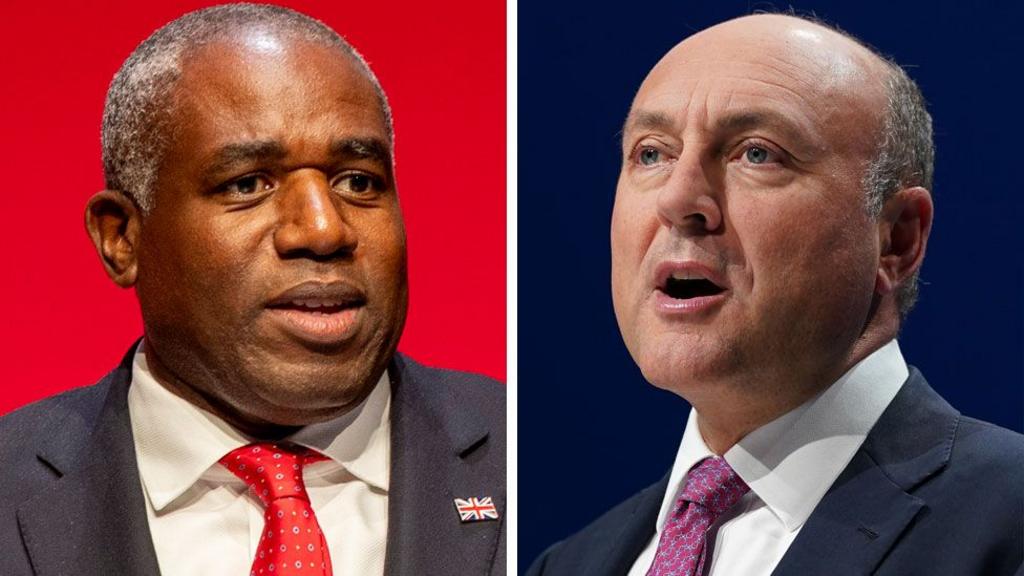
Andrew Griffith questions David Lammy during deputy PMQs
Andrew Griffith, the Conservative Party’s shadow business secretary, stepped into the political spotlight during deputy Prime Minister’s Questions (PMQs), leading a sharp exchange with Deputy Prime Minister David Lammy that laid bare deep divisions over Labour’s approach to business, employment and the economy.
With Prime Minister Keir Starmer on a diplomatic visit to China, the Commons saw a rare battle of deputies, giving Griffith an opportunity to press Labour on business rates, small business costs and employment, themes the Conservatives are keen to make central to their economic message.
Why Andrew Griffith Led the Attack at Deputy PMQs
Griffith was selected by Conservative leader Kemi Badenoch to deputise in the Commons, part of a deliberate strategy to rotate attack lines when the prime minister is absent. As shadow business secretary, Griffith focused squarely on the government’s recent business rates announcement, which offered pubs and music venues in England a 15% discount from April and froze increases for two years.
While the government framed the move as targeted relief following backlash to November’s Budget, Griffith dismissed it as “too little, too late”, accusing Labour of offering “sticking plasters” while high streets continue to struggle.
Business Rates, Hospitality and the ‘90% Get Nothing’ Claim
At the heart of Griffith’s questioning was the claim that more than 90% of retail, hospitality and leisure businesses would receive no benefit from the new measures. He repeatedly pressed Lammy to confirm the figure, arguing that Labour’s policies were failing the very businesses they claimed to support.
Griffith also questioned the cost of hiring young workers, the financial pressure on small firms, and the broader impact of Labour’s workers’ rights legislation, warning it could burden businesses by millions of pounds annually.
READ ALSO
David Lammy facing major backlash after second foreign offender’s mistaken release
David Lammy Hits Back as Political Jabs Fly
Lammy responded forcefully, attacking the Conservatives’ record in government and reminding MPs that 7,000 pubs closed under Tory rule. He repeatedly branded Griffith a “co-author of the mini-budget”, linking him to the Liz Truss era, a line that drew laughter and jeers across the chamber.
The deputy prime minister also turned fire on Tory defections to Reform UK, joking that Conservative MPs were “lining up” outside Nigel Farage’s office, using party instability as a shield against Griffith’s economic criticism.
A Performance That Divided Opinion
Political observers noted that while Griffith’s questions exposed areas of discomfort for Labour, his delivery struggled to gain momentum. Commentary from the New Statesman described moments where prepared lines fell flat, including references to “Andy from Manchester”, a jab linked to Labour figure Andy Burnham, and attempts at humour that failed to land.
Still, the exchange succeeded in reinforcing the Conservatives’ broader message: that Labour “doesn’t understand business”, particularly small and hospitality-based firms already under pressure.
Why This Moment Matters for Andrew Griffith
For Griffith, the deputy PMQs appearance was more than a weekly Commons skirmish. It placed him at the centre of a growing debate over economic credibility, business confidence and whether Labour’s early decisions are helping or hurting growth.
As the Conservatives seek to rebuild after electoral defeat, and fend off losses to Reform UK, figures like Griffith are being tested as potential standard-bearers for the party’s economic argument.
FAQ
Who is Andrew Griffith?
Andrew Griffith is the Conservative Party’s shadow business secretary and MP, responsible for scrutinising Labour’s economic and business policies.
What did Andrew Griffith say at PMQs?
Griffith pressed Deputy Prime Minister David Lammy on business rates, employment costs and Labour’s impact on small businesses, accusing the government of failing the hospitality sector.
Why are business rates a major political issue?
Business rates are a significant cost for UK retailers, pubs and hospitality venues. Rising bills have been blamed for high-street closures and financial strain on small firms.
What did Labour announce on business rates?
The government announced a 15% discount for pubs and music venues from April and froze increases for two years, following criticism after the Budget.
How did David Lammy respond to Griffith?
Lammy defended Labour’s record, attacked the Conservatives’ time in government, and mocked Tory defections to Reform UK.
Is Andrew Griffith a key figure in Conservative economic policy?
Yes. As shadow business secretary, Griffith plays a central role in shaping and communicating the Conservatives’ economic critique of Labour.
Why did this PMQs exchange attract attention?
With the prime minister absent, the clash highlighted sharp Labour–Tory divisions on the economy and tested senior figures from both parties under parliamentary pressure.