

Why was Alina Habba’s appointment illegal? Here’s what to know

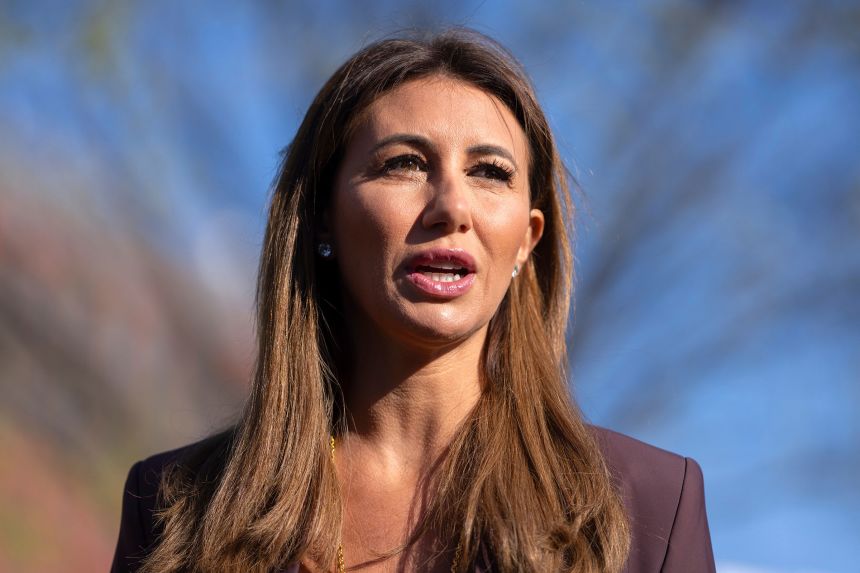
Alina Habba
A federal appeals court has ruled that Alina Habba, former personal attorney to Donald Trump, served unlawfully as the U.S. attorney for New Jersey, delivering a major legal setback for the Trump administration. The decision, issued Monday by a three-judge panel of the 3rd U.S. Circuit Court of Appeals, upholds a lower court ruling from August that Habba’s tenure since July 1 lacked legal authority.
Habba was appointed interim U.S. attorney for New Jersey earlier this year. After her 120-day interim term ended without Senate confirmation, the Trump administration used a series of unconventional legal maneuvers to keep her in charge. This included designating her as a special attorney and first assistant U.S. attorney, which she then used to assume de facto control of the office. Defendants in New Jersey challenged her authority, sparking the court case.
The appellate panel, composed of Judges Michael Fisher and D. Brooks Smith (appointees of former President George W. Bush) and Luis Felipe Restrepo (appointed by former President Barack Obama), concluded that the administration’s approach violated federal law. In its ruling, the court emphasized that bypassing the constitutional process of presidential appointment and Senate confirmation cannot be justified, and stated that New Jersey residents and career staff at the U.S. attorney’s office deserve “clarity and stability.”
The court’s ruling has broader implications beyond New Jersey, potentially affecting other districts where Trump-appointed U.S. attorneys lacked Senate confirmation. Similar disputes have arisen in Virginia, Nevada, and other jurisdictions, including the recent disqualification of Lindsey Halligan, interim U.S. attorney for the Eastern District of Virginia, which led to the dismissal of indictments against high-profile figures such as former FBI Director James Comey and New York Attorney General Letitia James.
While it remains uncertain who will lead the New Jersey U.S. attorney’s office in the immediate future, the Justice Department may appeal the ruling to the full 3rd Circuit or even the Supreme Court. Meanwhile, some criminal proceedings had already been delayed due to Habba’s ambiguous legal status, and certain grand jury actions were temporarily paused.
Habba’s critics argue her appointment was politically motivated, citing her previous role as Trump’s personal lawyer and her brief tenure as a White House adviser. During her time as U.S. attorney, she pursued high-profile cases, including charges against public officials, which drew national attention.
Thomas Mirigliano, attorney for one of the defendants challenging Habba’s authority, praised the appellate decision, stating it “recognizes the extraordinary power vested in U.S. attorneys and reinforces the limits Congress has set on who may occupy those positions.”
The ruling underscores the importance of adhering to established federal appointment procedures and highlights ongoing tensions between executive ambitions and legal constraints in the appointment of top federal prosecutors.
FAQ
Q: Why was Alina Habba’s appointment as U.S. attorney challenged?
A: Her appointment bypassed the traditional Senate confirmation and federal district court approval processes, leading defendants to question the legality of her authority.
Q: What could happen next after the appeals court ruling?
A: The Justice Department may appeal to the full 3rd Circuit or the Supreme Court. Pending cases may continue under a temporary or acting prosecutor.
Q: Does this ruling affect other Trump-appointed U.S. attorneys?
A: Yes, it could influence similar disputes in other districts where interim or special appointments bypassed Senate confirmation.