

Who was Ali Larijani? Inside the Israeli claim that Iran’s security chief was killed

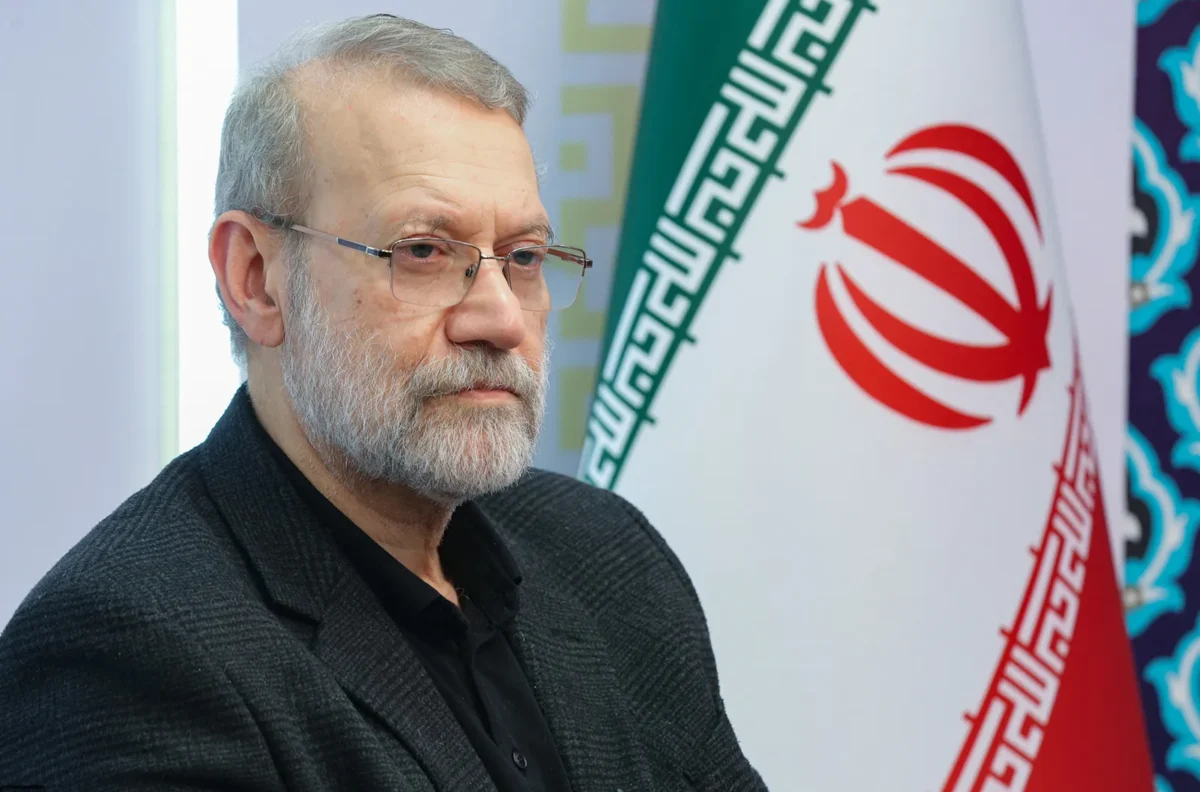
Ali Larijani reportedly targeted in major Israeli strike
In a dramatic escalation of the expanding Israel-Iran war, Israeli officials say Ali Larijani, one of the most influential figures in Iran’s political and security establishment, was killed in a targeted strike in Tehran. If confirmed, the reported killing of Larijani would mark one of the most consequential blows yet to the Islamic Republic’s leadership structure, raising urgent questions about the future of Iran’s internal security apparatus, decision-making chain, and regional strategy.
While Israel’s Defence Minister Israel Katz publicly claimed that Larijani had been “eliminated,” Iran had not officially confirmed his death at the time of reporting. That caveat is crucial. Still, the allegation alone has triggered intense global attention because of Larijani’s central role inside Iran’s ruling system and his long-standing influence over national security and foreign policy.
Who Was Ali Larijani? Why the Iranian Security Chief Mattered
Ali Larijani was widely regarded as one of the most powerful conservative figures in the Islamic Republic. Most recently, he served as the secretary of Iran’s Supreme National Security Council (SNSC), a top body that coordinates national security, military strategy, and key foreign policy decisions.
He was appointed to the post in August 2025 by President Masoud Pezeshkian. He was also described as a representative and adviser linked to Iran’s late supreme leadership structure, underscoring how deeply embedded he was in the country’s core decision-making circles.
Larijani’s political résumé made him far more than a bureaucrat. He served as:
- Speaker of Iran’s Parliament (2008–2020)
- Chief nuclear negotiator (2005–2007)
- A senior principlist power broker later viewed by some as a moderate conservative
- A key strategic voice during repeated confrontations with the West
Because of that background, Ali Larijani’s reported death is not just another battlefield development, it is a potential leadership shock with major implications for Iran’s military coordination and political succession debates.
Israel Claims It Killed Ali Larijani in Tehran Strike
According to BBC, Israeli officials said Larijani was killed in a targeted overnight strike in Tehran, alongside Gholamreza Soleimani, identified by Israel as a senior commander of Iran’s Basij paramilitary forces.
Israel framed the operation as part of a broader campaign to dismantle what it describes as the Iranian regime’s remaining top command structure. Katz reportedly said Israel would continue “hunting down” Iranian leaders.
The Israeli military also said the killing of Soleimani would be a “significant blow” to Iran’s internal security network, noting the Basij’s role in suppressing anti-government protests.
However, Iranian confirmation remained absent, and BBC reporting noted that Iranian state-linked channels had suggested a message from Larijani could be published, adding uncertainty to the immediate aftermath. BBC also cited a handwritten note attributed to Larijani that was circulated by Iranian state media, though its timing and authenticity in relation to the strike were not independently confirmed.
Why Ali Larijani’s Reported Killing Could Reshape Iran’s Power Structure
If Ali Larijani is indeed dead, the consequences for Iran’s power structure could be profound.
1. A Strategic Blow to Iran’s Security Command
As SNSC secretary, Larijani sat at the intersection of military planning, intelligence coordination, and crisis response. Removing him could disrupt high-level wartime decision-making at a moment when Iran is under intense pressure.
2. A Major Symbolic Hit to the Regime
Larijani was not merely a military or security official, he was a veteran statesman and recognizable face of the Islamic Republic. His reported killing would carry symbolic weight both domestically and internationally.
READ ALSO
3. Increased Uncertainty Over Iran’s Internal Leadership
Larijani came from one of Iran’s most influential political families. His brother, Sadegh Larijani, remains a powerful figure as chair of the Expediency Council. The reported death could deepen factional uncertainty at a time when Iran’s top leadership has already been shaken by war-related losses.
4. Escalation Risks Across the Region
The reported strike comes amid broader instability: attacks on the U.S. Embassy in Baghdad, projectiles reported in the UAE, a tanker incident near Fujairah, and intensifying military activity in Lebanon. That means any confirmed assassination of Larijani could further inflame regional retaliation cycles.
Ali Larijani Last Seen Publicly Days Before Strike
BBC’s live reporting said Ali Larijani was last seen publicly at a Quds Day march in Tehran on 13 March, where posts on his social accounts allegedly showed him interacting with supporters. He had also posted sharp warnings aimed at U.S. President Donald Trump in the days before the strike, according to the source material.
That detail matters because it suggests Larijani remained publicly visible and politically active right up until the moment Israel said he was targeted, reinforcing how high-profile the reported operation would be if verified.
What Happens Next in the Ali Larijani Story?
The next phase of this story will likely hinge on three developments:
- Official Iranian confirmation or denial
- Visual or documentary evidence from either side
- Signs of immediate retaliation or leadership reshuffling inside Tehran
If confirmed, Ali Larijani’s death would be one of the most consequential leadership losses for Iran in the current conflict, and a moment that could alter both the war’s trajectory and the balance of power inside the Islamic Republic.
FAQ
1. Is Ali Larijani dead?
As of the source material you provided, Israel says Ali Larijani was killed in a strike, but Iran had not officially confirmed his death. That means the claim remained unverified by Iranian authorities at the time of reporting.
2. Who is Ali Larijani?
Ali Larijani is a senior Iranian politician and security official. He has served as the secretary of Iran’s Supreme National Security Council, a former speaker of parliament, and a former chief nuclear negotiator.
3. Why is Ali Larijani important in Iran?
Larijani is important because he has held some of the most influential positions in Iran’s political and security system. He has shaped policy on national security, parliament, nuclear negotiations, and foreign affairs for years.
4. What did Israel say about Ali Larijani?
Israeli officials, including Defence Minister Israel Katz, said Ali Larijani was killed in a targeted strike in Tehran. Israel described the operation as part of an effort to eliminate top Iranian leadership figures.
5. Has Iran confirmed Ali Larijani’s death?
Based on the links you shared, Iran had not officially confirmed Ali Larijani’s death. Some Iranian outlets reportedly hinted that a message from him would be released, which added uncertainty.
6. What is Iran’s Supreme National Security Council?
The Supreme National Security Council (SNSC) is one of Iran’s most important decision-making bodies. It helps coordinate defense policy, intelligence, national security, and major foreign policy issues, especially during wartime or crisis.
7. What role did Ali Larijani have in the Supreme National Security Council?
Ali Larijani served as the secretary of the SNSC, meaning he played a central role in coordinating high-level national security decisions and advising top leadership on strategic matters.
8. Was Ali Larijani involved in Iran’s nuclear program?
Yes. Ali Larijani previously served as Iran’s chief nuclear negotiator from 2005 to 2007, making him a prominent figure in talks with Western powers over Iran’s nuclear ambitions.
9. What happens if Ali Larijani’s death is confirmed?
If confirmed, his death could:
- Disrupt Iran’s wartime command structure
- Trigger a leadership reshuffle
- Intensify retaliation risks against Israel or U.S. interests
- Increase uncertainty in Iran’s domestic political balance
10. Why would Israel target Ali Larijani?
If Israel targeted him, it would likely be because of his importance in Iran’s security hierarchy, his influence over war-related decision-making, and his strategic role in the Iranian state.
11. Who is Gholamreza Soleimani and why is he mentioned with Ali Larijani?
Israel also claimed it killed Gholamreza Soleimani, a senior commander of Iran’s Basij paramilitary forces. The Basij has been linked to internal crackdowns on protests, making him another high-value target in Israel’s stated campaign.
12. What does Ali Larijani’s reported killing mean for the Israel-Iran war?
If confirmed, it could mark a major escalation in the war by demonstrating Israel’s willingness to strike top Iranian decision-makers in Tehran, potentially prompting a stronger Iranian response.
13. When was Ali Larijani last seen in public?
According to the BBC details you provided, Ali Larijani was last seen publicly at a Quds Day march in Tehran on 13 March.
14. Is Ali Larijani a hardliner or moderate?
Larijani has long been associated with Iran’s conservative/principlist camp, but in recent years some analysts and Iranian outlets have described him as a moderate conservative, especially compared with more hardline factions.