

Afroman explodes in Court: Rapper’s ‘lemon pound cake’ Police raid trial leaves Deputy in tears

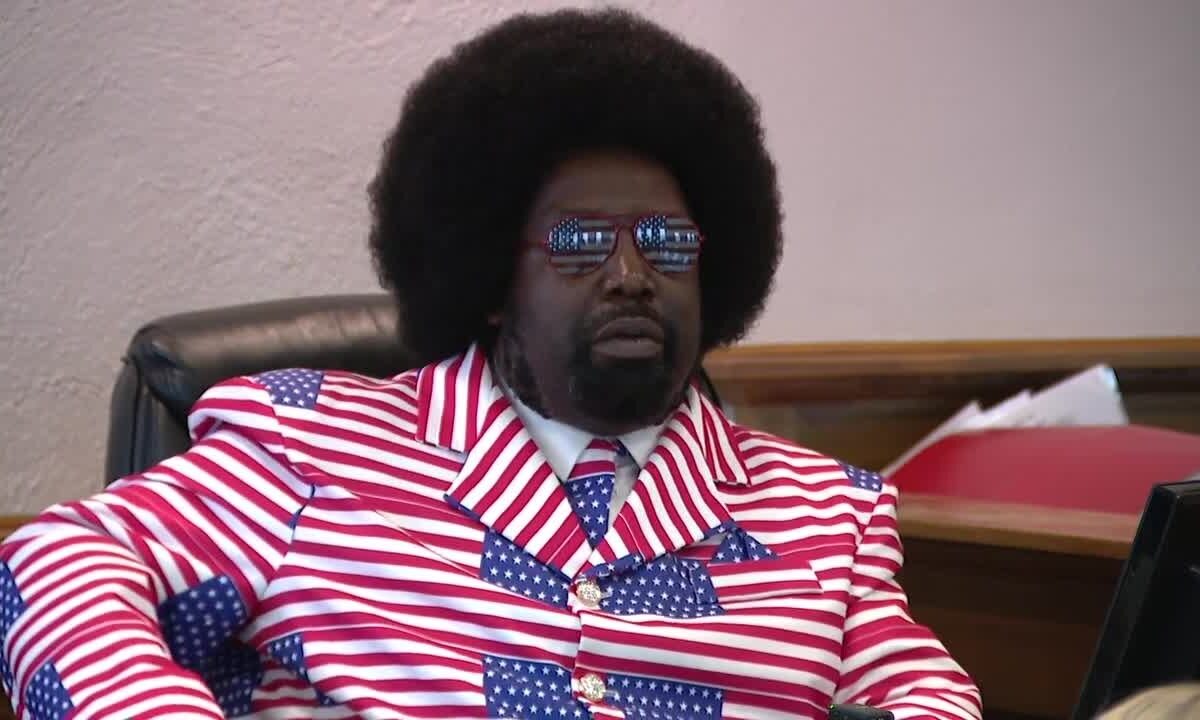
Afroman testifies in viral Ohio police raid lawsuit
Rapper Afroman is back in the headlines after a dramatic courtroom showdown in Ohio, where the “Because I Got High” hitmaker clashed with law enforcement officers suing him over a satirical music video inspired by a failed 2022 police raid on his home.
The high-profile civil trial in Adams County, Ohio, centers on Afroman’s viral track “Lemon Pound Cake,” a song and music video built around footage captured by his home security cameras during the raid. The case escalated this week when one of the deputies involved reportedly broke down in tears while portions of Afroman’s satirical content were played in court. The unusual lawsuit is now drawing national attention because it sits at the intersection of free speech, police accountability, privacy rights, and viral internet culture.
Why Afroman is in court over the “Lemon Pound Cake” music video
The lawsuit stems from an August 2022 search of Afroman’s home in Winchester, Ohio, conducted by members of the Adams County Sheriff’s Office. Deputies executed a warrant based on suspicions tied to narcotics and alleged kidnapping activity on the property.
But according to multiple reports, no criminal evidence was found and no charges were filed after the search. That outcome became the foundation of Afroman’s defense, and his music. The rapper later turned the raid into a satirical creative project, releasing “Lemon Pound Cake” and other songs that used footage from his own home surveillance system, mocking the officers and the failed operation.
Afroman tells court: “All of this is their fault”
Taking the stand during the trial, Afroman, whose real name is Joseph Foreman, directly blamed the sheriff’s office for the legal battle.
According to WPCO, the rapper told the court: “All of this is their fault.” He argued that if deputies had not “wrongly raided” his house, there would be no lawsuit, no viral songs, and no public embarrassment for the officers involved.
Foreman said the raid caused property damage, disrupted his life, and ultimately became material for his music because it was a real event that happened inside his home. His legal position is that using footage from his own cameras to comment on a government action is protected expression, a framing that has made this one of the most talked-about free speech cases involving a musician in 2026.
What the deputies are accusing Afroman of
The plaintiffs include four deputies, two sergeants and one detective from the Adams County Sheriff’s Office. They allege Afroman used their likenesses without permission in music videos, social media posts and merchandise.
The officers claim the content led to defamation, invasion of privacy, humiliation, ridicule, emotional distress and reputational harm. Reports also note that the deputies say they received threats and harassment after the footage and related posts went viral online. The lawsuit has become a test of how far public officials can go in challenging artistic satire when they are filmed during official duties.
Why “Lemon Pound Cake” became a viral flashpoint
The title “Lemon Pound Cake” itself became infamous because it references a moment during the 2022 raid when an officer allegedly glanced at a lemon pound cake sitting in Afroman’s kitchen. That moment, captured on camera, became internet legend and later a recurring joke in Afroman’s songs, videos and merch.
The music video has now racked up more than 3 million views since its December 2022 release, according to the New York Post. The case gained even more traction because Afroman followed up with additional songs and posts such as “Will You Help Me Repair My Door,” using humor and sarcasm to highlight the raid and the damage he says it caused.
READ ALSO
Deputy breaks down in court as trial turns emotional
One of the most striking moments of the trial came when Deputy Lisa Phillips reportedly became emotional while Afroman’s satirical content was played in court.
Reports say Phillips, who had been called in off-duty to assist with the raid, was among the officers mocked in Afroman’s online posts and videos. She broke into tears as a 13-minute video with suggestive innuendo was shown during proceedings. Another officer, Sgt. Randy Walters, also testified about the ridicule he said he faced, only for Afroman to later post another mocking clip on social media after court adjourned. That development only intensified public fascination with the case and reinforced how Afroman is continuing to use the dispute as performance, protest and promotion all at once.
The bigger legal issue: free speech vs privacy
Beyond the celebrity angle, the case could have broader implications. Afroman’s defense argues the dispute is fundamentally about the First Amendment, specifically whether a homeowner can use his own surveillance footage to criticise public officials who entered his property while performing official duties.
That legal question has attracted intense public interest and online debate, with many observers framing the case as a test of whether satire about police conduct can be punished through civil litigation. Earlier reporting also noted that parts of Afroman’s countersuit over alleged damage to his property were dismissed before trial, leaving the deputies’ claims at the center of the courtroom battle.
Why the Afroman trial is trending now
The Afroman case is trending because it combines several internet-era flashpoints into one story: celebrity courtroom drama, police accountability, viral content, satire, and a strange but unforgettable song title.
For longtime fans, it’s another unpredictable chapter in the career of the rapper who once turned a novelty anthem into pop culture history. For legal observers, it is a closely watched case about how far artistic commentary can go when real officers are the subjects. And for the public, it is simply one of the most bizarre and compelling celebrity legal stories of the year.
Whether the jury sides with Afroman or the deputies, the “Lemon Pound Cake” saga has already done what few court cases do: turn a failed police raid into a national pop culture debate.
FAQ
1. Why is Afroman in court in 2026?
Afroman is in court because several deputies from the Adams County Sheriff’s Office in Ohio sued him over his use of police raid footage in music videos, social media posts and merchandise. The case centers on content he made after a 2022 search of his home.
2. What is the Afroman lawsuit about?
The lawsuit alleges that Afroman improperly used the officers’ likenesses in a commercial and public way, causing defamation, invasion of privacy, emotional distress and reputational harm. Afroman argues the content is protected free speech and satire.
3. What is Afroman’s “Lemon Pound Cake” song about?
“Lemon Pound Cake” is a satirical song inspired by the 2022 police raid on Afroman’s home. The title references a moment during the raid when an officer allegedly looked at a lemon pound cake in his kitchen, which Afroman later turned into a viral joke and music video concept.
4. What happened during the 2022 police raid on Afroman’s home?
In August 2022, deputies raided Afroman’s Ohio home while investigating suspected drugs and kidnapping claims. Reports say officers entered with a warrant, searched the property, and caused damage, but no criminal evidence was found and no charges were filed.
5. Did police find anything at Afroman’s house?
According to current reporting, no evidence of criminal activity was found, and Afroman was not charged after the raid. That fact has become central to public interest in the case.
6. Who is suing Afroman?
The plaintiffs are reported to be four deputies, two sergeants and one detective connected to the Adams County Sheriff’s Office. They say Afroman’s videos and posts exposed them to ridicule and harassment.
7. Why did a deputy cry during the Afroman trial?
Reports say Deputy Lisa Phillips became emotional and broke down in tears while a satirical video made by Afroman was played in court. The content reportedly included mocking references and innuendo directed at officers involved in the raid.
8. What did Afroman say in court?
Afroman reportedly told the court: “All of this is their fault.” He argued that if deputies had not “wrongly raided” his house, there would have been no songs, no viral videos and no lawsuit.
9. Is the Afroman lawsuit a First Amendment case?
In many ways, yes. Afroman’s defense has framed the case as a free speech issue, arguing that he used footage from his own property to comment on a real event involving public officials performing official duties.
10. Can police officers sue someone for using footage of a raid?
They can file a lawsuit, but whether they can win depends on facts and legal standards. Courts may weigh issues like privacy, defamation, publicity rights, and constitutional protections for speech, especially when public officials are involved.
11. Did Afroman make money from the “Lemon Pound Cake” video?
Reports indicate Afroman said he created the song and related content partly to make money and help cover damages he says were caused during the raid. The deputies argue that commercial use of their images is part of the legal dispute.
12. Is Afroman still posting about the case during the trial?
Yes. Reports say Afroman continued posting satirical content even while the trial was underway, including a video mocking one of the officers after court adjourned. That has added to the public attention around the case.
13. What is at stake in the Afroman trial?
The case could affect how courts view satire, viral music content, police image rights and homeowner-recorded footage. It may also shape future disputes involving creators who use real-life law enforcement encounters in songs, videos or merchandise.
14. Why is the Afroman story trending online?
The story is trending because it combines celebrity, courtroom drama, police controversy, viral music, internet humor and free speech questions. The unusual “Lemon Pound Cake” angle has also made it especially shareable.
15. Has the Afroman lawsuit been decided yet?
As of the latest reports tied to this courtroom phase, the trial is ongoing, and no final verdict has been reported in the coverage provided. Readers should watch for updates as the case develops.