

9 Powerful Ways Automation Is Changing Household Management

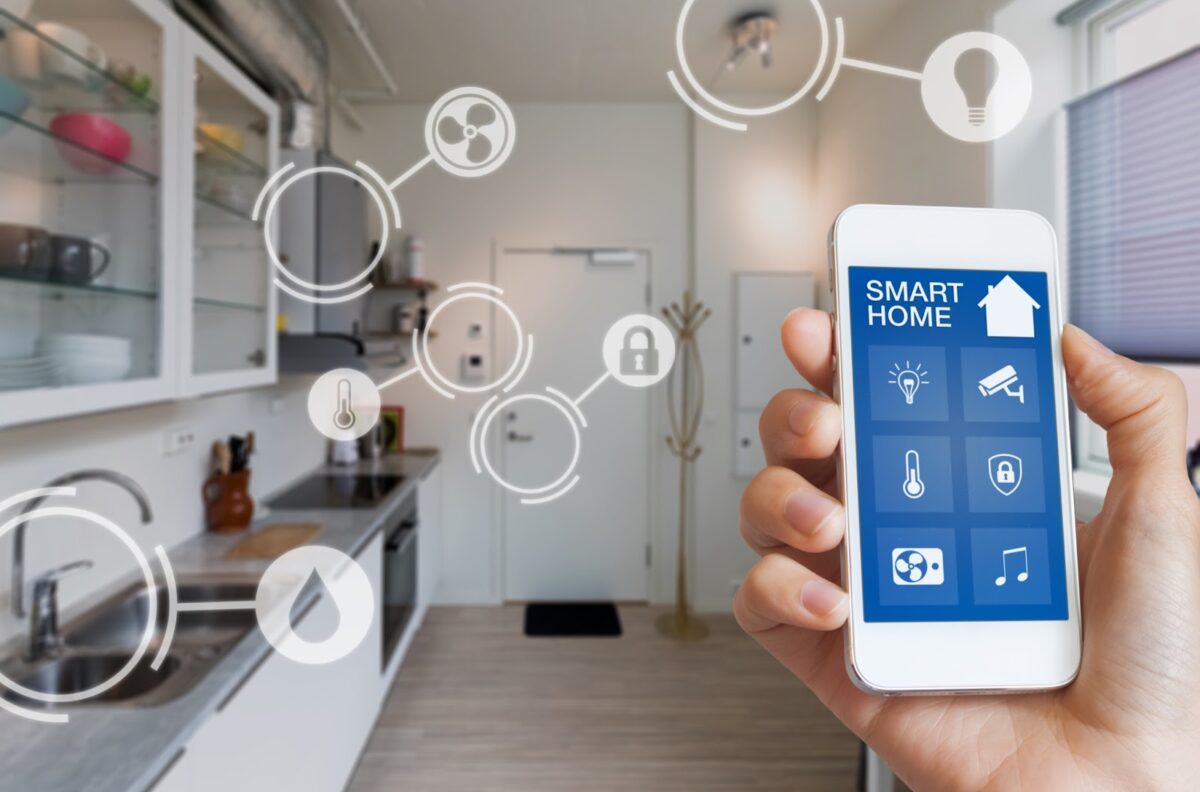
9 ways automation is transforming household management
Household management is undergoing a major transformation as automation becomes a central part of modern living. From smart appliances to AI-powered home systems, technology is simplifying everyday chores, improving efficiency, and helping families manage their homes with greater convenience.
Experts say automation is not just about luxury, it’s about saving time, improving organization, and reducing daily stress. As smart home technology becomes more accessible, more households are adopting automated solutions that handle tasks once done manually.
Here are nine key ways automation is reshaping how homes are managed today.
1. Smart Cleaning Devices Are Taking Over Household Chores
One of the most noticeable impacts of automation is in household cleaning. Robot vacuum cleaners and automated floor mops can clean entire homes with minimal human intervention.
These devices use sensors and mapping technology to navigate rooms, avoid obstacles, and schedule cleaning sessions. For many households, this automation significantly reduces the time spent on daily chores.
2. Automated Energy Management Improves Efficiency
Smart thermostats and automated lighting systems allow homeowners to control energy use more efficiently.
These systems can automatically adjust temperature and lighting based on schedules, occupancy, or weather conditions. As a result, households can reduce energy consumption while maintaining comfort.
Energy automation is also helping families lower electricity bills and reduce environmental impact.
3. Smart Kitchens Simplify Meal Preparation
Automation is transforming kitchens through smart appliances such as programmable ovens, connected refrigerators, and voice-controlled cooking devices.
These appliances can suggest recipes, track food inventory, and automatically adjust cooking temperatures. Some smart refrigerators even send alerts when groceries run low.
This technology helps streamline meal planning and reduce food waste.
4. Automated Security Systems Enhance Home Safety
Home security has become more advanced thanks to automation.
Modern systems include smart cameras, motion detectors, and automated door locks that can be controlled remotely through mobile apps. Homeowners receive instant notifications when unusual activity is detected.
Automation also allows security systems to activate automatically when residents leave the house.
5. Voice Assistants Help Manage Daily Tasks
Voice-controlled assistants are becoming an important tool for household organization.
With simple voice commands, users can set reminders, create shopping lists, control appliances, and manage daily schedules. This convenience helps families stay organized and reduce the mental load of managing multiple responsibilities.
Voice assistants also integrate with other smart devices to create a fully connected home environment.
READ ALSO
8 Ways Smart Assistants Can Simplify Daily Life
7 Cybersecurity Habits That Protect Your Personal Data
6. Automated Grocery and Supply Management
Automation is also changing how households manage groceries and everyday supplies.
Smart home systems can track product usage and automatically remind users when items need to be restocked. Some platforms even allow automatic ordering of frequently used products.
This feature reduces last-minute shopping trips and ensures households always have essential items available.
7. Smart Irrigation Systems Simplify Garden Care
Outdoor household management is also benefiting from automation.
Smart irrigation systems monitor weather conditions and soil moisture levels to automatically adjust watering schedules. This ensures plants receive the right amount of water while preventing waste.
For homeowners with gardens or lawns, automated watering systems save both time and water.
8. Laundry Automation Is Making Household Tasks Easier
New washing machines and dryers are equipped with automation features that detect fabric types, adjust washing cycles, and notify users when laundry is complete.
Some systems even allow remote monitoring through smartphone apps. This helps households manage laundry more efficiently without constant supervision.
9. Integrated Smart Home Systems Connect Everything
Perhaps the most significant change is the integration of multiple automated systems into a single platform.
Smart home hubs allow users to control lighting, security, temperature, appliances, and entertainment systems from one app or voice command.
This level of integration creates a seamless household management system where many tasks happen automatically in the background.
Why Automation Is Reshaping Modern Household Management
Experts say automation is redefining what it means to manage a home. Instead of manually handling every task, homeowners can rely on smart technology to simplify routines and improve efficiency.
Automation also helps families save time, reduce energy consumption, and maintain better organization. As technology continues to advance, household automation is expected to become even more sophisticated and accessible.
Ultimately, automation is transforming homes into smarter, more efficient living environments designed to support modern lifestyles.
FAQ
What is household automation?
Household automation refers to the use of smart devices and connected technology to automatically perform or manage household tasks such as cleaning, lighting, security, and temperature control.
How does home automation improve household management?
Home automation simplifies daily routines by automating tasks like cleaning, energy management, grocery tracking, and security monitoring.
What are the benefits of smart home technology?
Smart home technology provides convenience, improves energy efficiency, enhances security, and reduces the time required to manage household chores.
What devices are commonly used in home automation?
Common smart home devices include robot vacuum cleaners, smart thermostats, automated lighting systems, smart refrigerators, voice assistants, and security cameras.
Can home automation reduce electricity bills?
Yes. Automated energy systems can optimize heating, cooling, and lighting, which helps reduce unnecessary energy consumption and lower utility bills.
Is home automation expensive?
While some advanced systems can be costly, many affordable smart devices are available today, making home automation accessible to more households.
How do smart homes improve safety?
Smart security systems provide real-time monitoring, remote access, motion detection alerts, and automated locking systems to improve home safety.
What is the future of home automation?
Experts expect future home automation to include more artificial intelligence, improved device integration, and advanced systems that can predict and manage household needs automatically.