

9 Simple Gut Health Hacks Beginners Are Using in 2026 to Feel Better Fast

9 gut health hacks for beginners
Gut health has become one of the most talked-about wellness topics in recent years, and for good reason. From digestion and nutrient absorption to immune support and everyday comfort, the digestive system plays a much larger role in overall well-being than many people realize.
As more people look for simple ways to feel better, reduce bloating, and build healthier routines, beginner-friendly gut health advice continues to trend across search and social platforms. But experts say that while the topic is popular, it is also easy to overcomplicate. Many of the most effective strategies are not expensive supplements or extreme diet plans, they are consistent daily habits.
Health professionals generally agree that gut-friendly routines often begin with basic nutrition, hydration, movement, sleep, and smarter food choices. Rather than chasing quick fixes, the goal is to create an environment where digestion can work more efficiently and beneficial gut bacteria can thrive.
Here are 9 gut health hacks for beginners that can support better digestive balance and help build healthier habits over time.
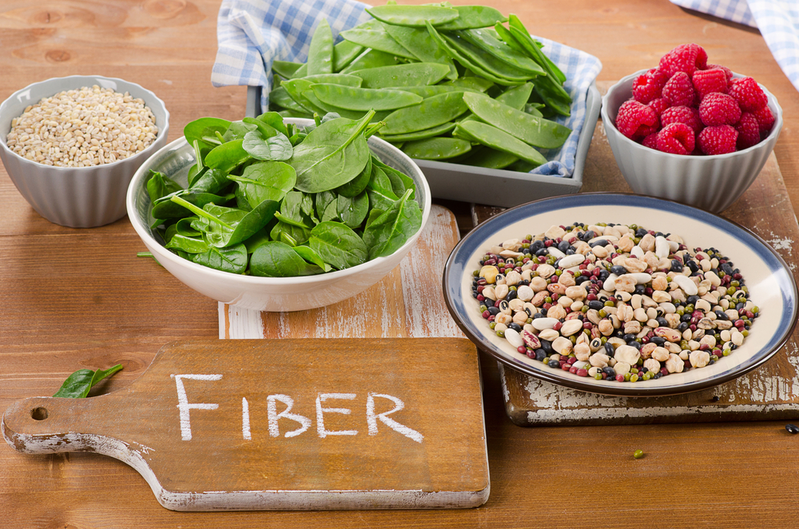
1. Start Increasing Fiber Slowly, Not All at Once
One of the most important gut health habits is eating more fiber, but experts warn that beginners should increase it gradually.
Fiber helps support digestion, bowel regularity, and the growth of beneficial gut bacteria. However, suddenly adding large amounts of beans, vegetables, seeds, or whole grains can sometimes cause bloating or discomfort if the body is not used to it.
Nutrition experts often recommend slowly building fiber intake over time while staying hydrated. This makes the transition easier and more sustainable.
2. Add More Fermented Foods to Your Weekly Routine
Fermented foods are frequently recommended in gut health discussions because they can introduce beneficial bacteria and support digestive diversity.
Foods such as yogurt with live cultures, kefir, kimchi, sauerkraut, miso, and fermented vegetables are often highlighted as beginner-friendly options. While not every fermented food works the same way for every person, many experts say regular intake can be a helpful part of a balanced gut-supportive diet.
The key is consistency and moderation rather than overloading your system at once.
3. Drink More Water to Support Digestion
Hydration is one of the most overlooked gut health basics.
Water helps the digestive system process food, supports stool consistency, and works alongside fiber to keep digestion moving more comfortably. Many people focus on supplements while ignoring the fact that poor hydration can worsen common digestive complaints.
For beginners, simply improving daily water intake can be one of the easiest and most practical gut health upgrades.
4. Eat More Variety Instead of Repeating the Same Foods
Gut health experts often emphasize diversity.
Eating a wider range of fruits, vegetables, legumes, whole grains, herbs, nuts, and seeds can expose the gut microbiome to a broader mix of nutrients and fibers. This variety may help support a more diverse microbial environment, which is often associated with better digestive resilience.
For beginners, this does not require a perfect diet. Even rotating produce and trying new plant-based foods each week can make a difference.
5. Cut Back on Ultra-Processed Foods When Possible
While no diet needs to be perfect, experts often advise reducing ultra-processed foods if gut health is the goal.
Highly processed snacks, sugary drinks, excessive fast food, and low-fiber packaged meals may crowd out more nutrient-dense options. Some can also contribute to digestive discomfort in certain individuals.
A beginner-friendly approach is not total restriction. Instead, it is about gradually replacing some processed choices with more whole-food meals and simpler ingredients.
READ ALSO
7 Healthy Lifestyle Myths Experts Say You Should Stop Believing Right Now
6 Small Changes Mental Wellness Experts Say Can Naturally Improve Your Mood Fast
6. Manage Stress Because Your Gut and Brain Are Connected
The connection between stress and digestion is real.
Many people notice stomach discomfort, bloating, appetite changes, or bowel pattern shifts during stressful periods. That is because the gut and brain communicate closely, and emotional strain can influence digestive function.
Experts often say that gut health is not only about food. Stress management habits like walking, deep breathing, rest, journaling, or quiet breaks can support digestion more than many beginners expect.
7. Move Your Body More Consistently
Regular movement can support digestion in surprisingly practical ways.
Light exercise such as walking, stretching, or gentle workouts may help food move through the digestive tract more comfortably and reduce sluggishness. Many experts recommend a short walk after meals as a simple starting point for beginners.
The goal is not intense exercise. Even consistent low-impact movement can support gut-friendly routines.
8. Be Careful With Trendy Supplements and “Quick Fixes”
Gut health is full of trends, and not all of them are necessary.
Probiotics, powders, detox teas, cleanses, and digestive supplements are heavily marketed, but experts often say beginners should not assume they need expensive products right away. Some supplements can be helpful in certain cases, but results vary widely depending on the person, the strain, and the reason for using them.
For most beginners, food-first habits usually matter more than chasing every trend.
9. Pay Attention to What Your Body Responds To
One of the best beginner gut health habits is simple observation.
Different people respond differently to dairy, spicy foods, carbonated drinks, artificial sweeteners, large meals, high-fat foods, or certain fibers. Tracking patterns can help identify which foods feel supportive and which ones consistently trigger discomfort.
Experts say personalization matters. A gut-friendly routine is often built by noticing what helps your digestion, not just copying general trends online.
Why Beginner Gut Health Habits Work Best When They Stay Simple
As gut health becomes more mainstream, it is easy to get overwhelmed by conflicting advice. Social media often pushes supplements, restrictive plans, or dramatic “healing” claims, but many experts continue to emphasize that foundational habits are usually the most effective place to start.
Fiber, hydration, food variety, fermented foods, movement, stress management, and reducing ultra-processed foods are all strategies that support digestion in practical ways. More importantly, they are habits most people can actually maintain.
For beginners, the goal should not be perfection. It should be building a routine that helps digestion feel more stable, meals feel more balanced, and wellness habits become easier to repeat.
In the long run, the best gut health hacks are often the least complicated: eat more whole foods, stay hydrated, move regularly, and listen to your body.
FAQ
What are the best gut health hacks for beginners?
Some of the best beginner-friendly gut health hacks include increasing fiber gradually, drinking more water, eating more fermented foods, adding food variety, reducing ultra-processed foods, managing stress, moving regularly, and paying attention to food triggers.
How can I improve gut health naturally?
You can improve gut health naturally by focusing on whole foods, fiber-rich meals, hydration, regular movement, sleep, stress management, and a diverse diet rather than relying only on supplements.
What foods are best for gut health?
Foods commonly recommended for gut health include vegetables, fruits, legumes, oats, whole grains, yogurt with live cultures, kefir, kimchi, sauerkraut, nuts, seeds, and other fiber-rich plant foods.
Do fermented foods really help gut health?
Fermented foods may support gut health by providing beneficial bacteria and supporting microbial diversity. However, results can vary from person to person, and they work best as part of an overall balanced diet.
Are probiotics necessary for beginners?
Not always. Many beginners can support gut health effectively through food, hydration, and lifestyle habits. Probiotic supplements may help some people, but they are not automatically necessary for everyone.
How long does it take to improve gut health?
It varies. Some people notice improvements in digestion, bloating, or regularity within days or weeks after making consistent changes, while broader gut health improvements can take longer depending on diet and lifestyle.
Can stress affect gut health?
Yes. Stress can influence digestion, appetite, bowel patterns, and stomach comfort because the gut and brain are closely connected.
Is fiber important for gut health?
Yes. Fiber supports digestion, bowel regularity, and feeds beneficial gut bacteria. Experts usually recommend increasing fiber gradually to avoid discomfort.
What should I avoid if I want better gut health?
It can help to reduce excessive ultra-processed foods, sugary drinks, low-fiber diets, dehydration, chronic stress, and unnecessary supplement overuse. Personal triggers also vary from person to person.
Can walking help gut health?
Yes. Light physical activity, especially walking, may support digestion and reduce sluggishness. Many experts recommend short walks after meals as a simple gut-friendly habit.