

8 Ways Smart Assistants Can Simplify Daily Life

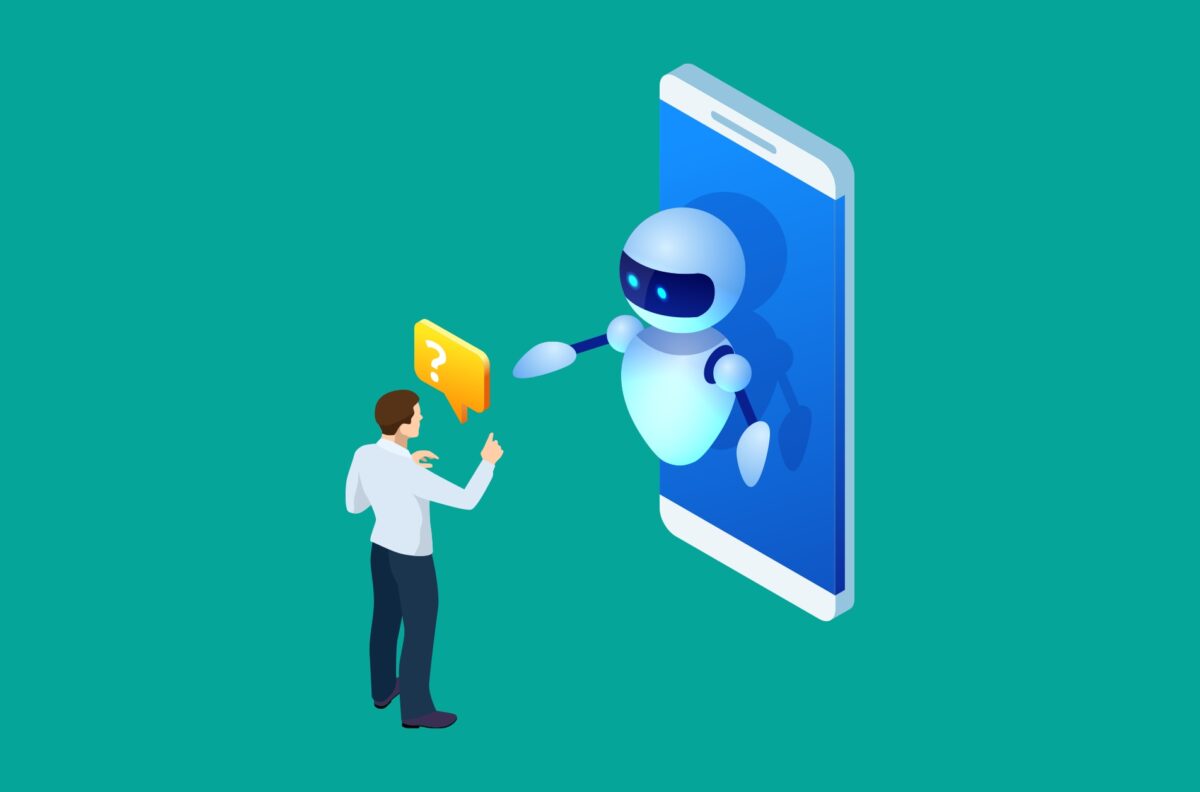
8 ways smart assistants simplify life
Smart assistants have rapidly evolved from novelty gadgets into essential digital companions. Whether built into smartphones, speakers, or smart home hubs, these AI-powered tools are now helping millions of people streamline routines, save time, and reduce stress.
Devices and platforms like Amazon Alexa, Google Assistant, Apple’s Siri, and Microsoft Copilot are increasingly integrated into daily workflows. As artificial intelligence becomes more advanced, smart assistants are offering hands-free convenience, smarter automation, and personalized support like never before.
Here are eight practical ways smart assistants can simplify daily life.
1. Managing Schedules and Reminders Effortlessly
Smart assistants can organize calendars, set reminders, and send alerts in seconds. By using simple voice commands, users can schedule meetings, create task lists, and receive notifications about upcoming events.
This feature reduces the need to manually track appointments and helps prevent missed deadlines, particularly useful for busy professionals and families.
2. Controlling Smart Home Devices Seamlessly
Connected devices such as lights, thermostats, door locks, and security cameras can be controlled through voice commands. Smart assistants integrate with compatible smart home systems, allowing users to adjust lighting or temperature without leaving their seat.
Automation routines, such as turning off lights and locking doors at bedtime, enhance convenience and improve home efficiency.
3. Providing Instant Information and News Updates
Smart assistants deliver real-time weather forecasts, traffic reports, breaking news, and sports scores within seconds. Instead of searching manually, users can simply ask a question and receive concise updates.
This quick access to information supports better daily planning and time management.
4. Simplifying Online Shopping and Grocery Lists
Voice-enabled shopping features allow users to add items to digital grocery lists or reorder frequently purchased products.
This minimizes forgotten purchases and streamlines routine shopping tasks. Some assistants can even suggest items based on previous buying patterns.
READ ALSO
7 Powerful Ways AI Is Helping People Make Smarter Financial Decisions in 2026
10 Digital Skills Everyone Must Master in 2026 to Stay Relevant in the AI-Driven World
5. Supporting Productivity and Focus
Smart assistants can help users stay productive by setting timers, managing to-do lists, and even summarizing information.
In workplace environments, AI-driven assistants are increasingly used to draft emails, generate summaries, and schedule virtual meetings, reducing administrative workload.
6. Enhancing Entertainment Experiences
From playing music and podcasts to controlling streaming platforms, smart assistants offer centralized entertainment control.
Users can request specific songs, adjust volume levels, or discover new content through personalized recommendations.
7. Assisting with Navigation and Travel Planning
Integrated with mapping services, smart assistants provide turn-by-turn navigation, traffic alerts, and estimated arrival times.
They can also track flight statuses, suggest nearby restaurants, and help with travel planning, reducing uncertainty during trips.
8. Promoting Accessibility and Hands-Free Convenience
For individuals with mobility challenges or visual impairments, smart assistants offer greater independence. Voice commands eliminate the need for physical interaction with devices.
Hands-free functionality is also valuable while cooking, driving, or multitasking.
The Growing Role of AI in Everyday Life
As artificial intelligence becomes more sophisticated, smart assistants are expected to become even more intuitive. Enhanced personalization, contextual understanding, and integration across devices will likely define the next phase of development.
However, privacy and data security remain important considerations. Experts advise reviewing device settings and understanding how personal data is stored and used.
FAQ
What are smart assistants?
Smart assistants are AI-powered software programs that respond to voice or text commands to perform tasks such as scheduling, answering questions, controlling devices, and managing information.
How do smart assistants simplify daily life?
They automate repetitive tasks, provide instant information, manage schedules, control smart home devices, and support productivity through hands-free commands.
Are smart assistants safe to use?
Most major platforms offer privacy settings and data controls. Users should review privacy policies, enable security features, and update devices regularly.
Can smart assistants improve productivity?
Yes. They can schedule meetings, set reminders, summarize information, and assist with drafting content, helping reduce administrative workload.
Do smart assistants work without internet?
Most smart assistants require an internet connection for full functionality, though some basic features may work offline.
Which devices support smart assistants?
Smart assistants are commonly integrated into smartphones, smart speakers, smart displays, laptops, and connected home devices.
Are smart assistants expensive?
Pricing varies depending on the device and ecosystem. Entry-level smart speakers are relatively affordable, while advanced smart home setups may cost more.