

8 Natural Wonders You Absolutely Need to See Before You Die

World’s most breathtaking natural wonders
From towering waterfalls to vast coral reefs and ancient mountain ranges, Earth’s most spectacular landscapes continue to draw millions of travelers every year. These natural wonders are not just beautiful, they represent geological history, biodiversity, and cultural significance that have shaped civilizations.
Travel experts say experiencing at least one major natural wonder can be life-changing. Here are eight natural wonders you need to see before you die, each offering breathtaking views and unforgettable experiences.
1. Grand Canyon
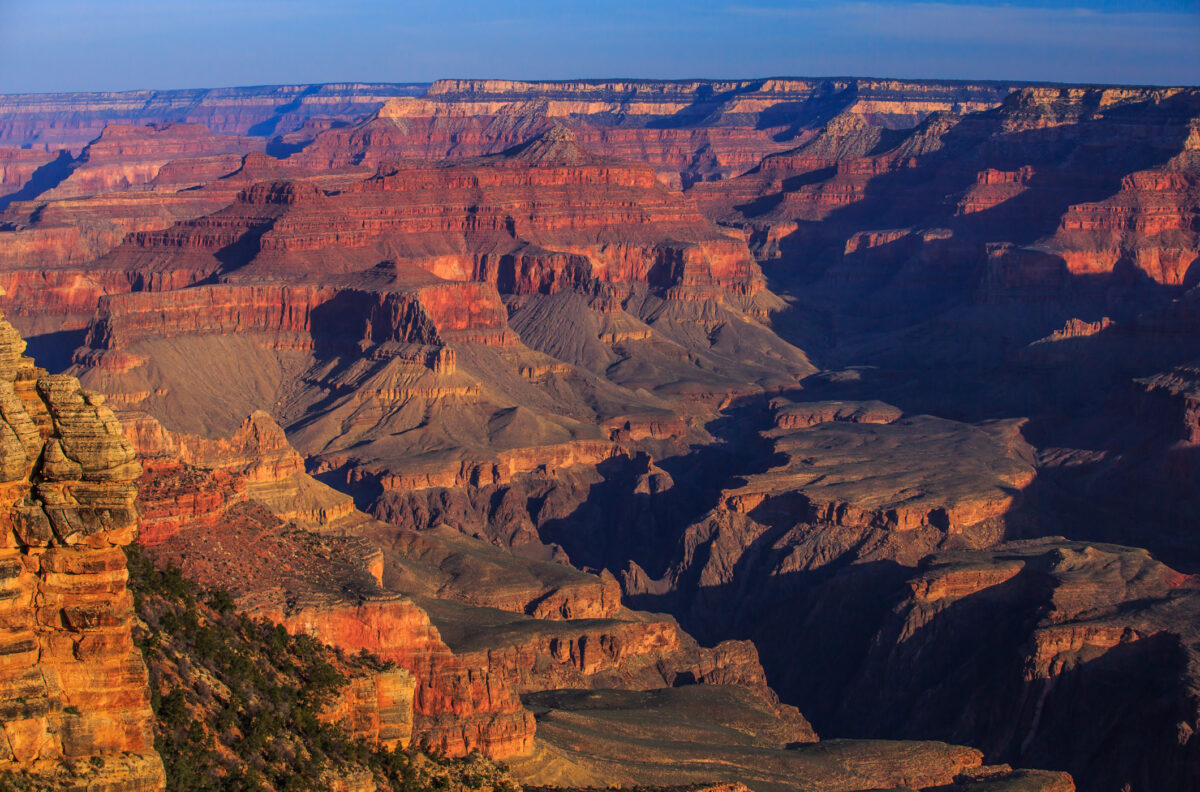
Carved by the Colorado River over millions of years, the Grand Canyon stretches over 277 miles across Arizona. Its layered red rock formations tell a geological story dating back nearly two billion years.
Visitors often describe sunrise and sunset at the South Rim as transformative, as shifting light reveals the canyon’s depth and vibrant colors. Hiking, rafting, and helicopter tours provide different perspectives of this iconic landscape.
2. Great Barrier Reef
The Great Barrier Reef is the world’s largest coral reef system, visible even from space. Spanning more than 1,400 miles, it supports thousands of marine species, including sea turtles, reef sharks, and vibrant coral formations.
Snorkeling and diving here offer an immersive experience in one of the planet’s most biologically diverse ecosystems. Climate change, however, poses ongoing threats, making conservation efforts increasingly urgent.
3. Mount Everest
Standing at 8,848.86 meters, Mount Everest is Earth’s highest peak. While summiting is reserved for elite climbers, trekking to Everest Base Camp offers awe-inspiring views of the Himalayan range.
The mountain symbolizes human endurance and ambition, drawing adventurers from across the globe.
4. Victoria Falls
Known locally as “Mosi-oa-Tunya,” Victoria Falls is one of the largest and most powerful waterfalls in the world. During peak season, mist from the falls rises hundreds of feet into the air, creating visible rainbows.
Visitors can walk along scenic viewpoints or swim in Devil’s Pool, a natural infinity pool perched at the edge of the falls.
READ ALSO
8 Destinations Where Food Is the Main Attraction
12 Scenic Train Routes Around the World
5. Aurora Borealis
The Northern Lights illuminate Arctic skies in shades of green, purple, and pink. This natural phenomenon occurs when solar particles collide with Earth’s atmosphere.
Countries like Norway, Iceland, and Canada offer prime viewing conditions during winter months, making it one of the most sought-after travel experiences worldwide.
6. Amazon Rainforest
Covering over 5.5 million square kilometers, the Amazon Rainforest produces significant amounts of the world’s oxygen and houses unparalleled biodiversity.
Guided eco-tours allow visitors to explore river systems, encounter rare wildlife, and learn about Indigenous cultures that have thrived for centuries.
7. Antelope Canyon
Located in Arizona, Antelope Canyon is famous for its wave-like sandstone walls and dramatic light beams. The narrow slot canyon creates surreal photo opportunities, particularly at midday when sunlight filters through the rock formations.
8. Salar de Uyuni
Salar de Uyuni is the world’s largest salt flat. During the rainy season, a thin layer of water transforms the surface into a giant reflective mirror, blending sky and earth seamlessly.
Photographers and travelers alike describe the experience as otherworldly.
Why Seeing Natural Wonders Matters
Travel analysts note that global tourism is increasingly driven by bucket-list destinations. These natural landmarks not only inspire awe but also highlight the urgency of environmental conservation.
As climate change, pollution, and overtourism threaten fragile ecosystems, responsible travel has become essential.
FAQ
1. What are the most famous natural wonders in the world?
Some of the most famous include the Grand Canyon, Great Barrier Reef, Mount Everest, Victoria Falls, the Aurora Borealis, Amazon Rainforest, Antelope Canyon, and Salar de Uyuni.
2. Which natural wonder is the most visited?
The Grand Canyon attracts millions of visitors annually, making it one of the most visited natural landmarks.
3. Where is the best place to see the Northern Lights?
Top locations include Norway, Iceland, Canada, and parts of Finland during winter months.
4. Is the Great Barrier Reef still worth visiting?
Yes, though coral bleaching remains a concern, many areas remain vibrant and protected through conservation efforts.
5. Can beginners visit Mount Everest?
While summiting requires advanced training, beginners can trek to Everest Base Camp with proper preparation.
6. When is the best time to visit Victoria Falls?
The falls are most powerful between February and May after the rainy season.
7. Why is the Amazon Rainforest important?
It plays a crucial role in regulating global climate and contains unmatched biodiversity.
8. How does Salar de Uyuni become a mirror?
During the rainy season, a thin water layer forms over the salt crust, reflecting the sky like a giant mirror.