

8 Daily Practices Doctors Recommend for Better Joint Health and Less Pain as You Age

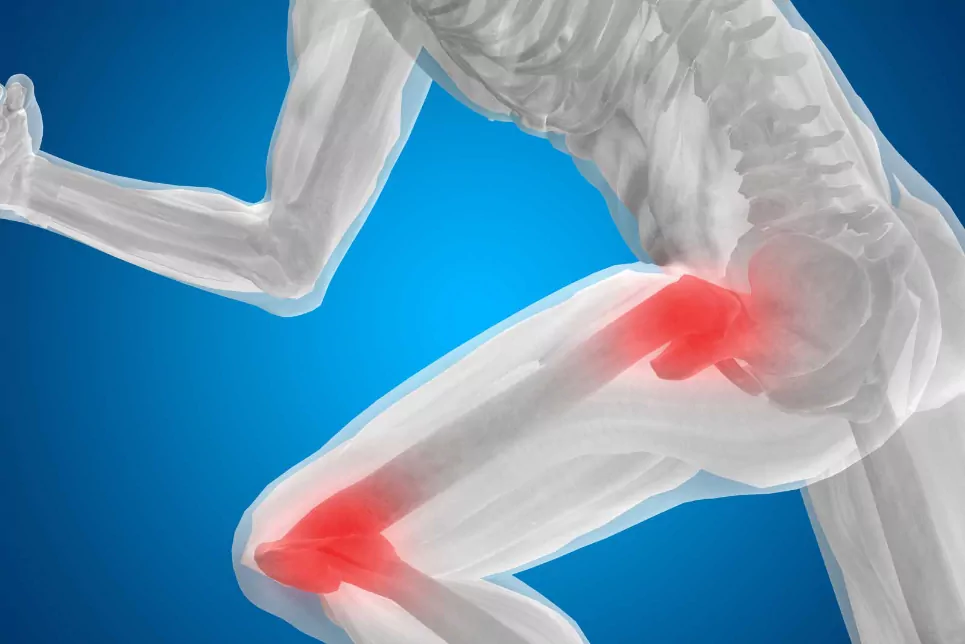
8 daily practices for better joint health
Joint discomfort is often associated with aging, but health experts say daily habits can play a major role in how well your joints function over time. From knees and hips to shoulders, wrists, and fingers, joints are essential for nearly every movement the body makes, and small lifestyle choices can either protect them or quietly increase wear and tear.
As more people spend long hours sitting, using screens, or living with low physical activity, joint stiffness and mobility issues are becoming increasingly common. The good news is that doctors and wellness professionals say there are simple, sustainable routines that can help support better joint health, improved flexibility, and reduced strain.
While no single habit can guarantee pain-free movement forever, these 8 daily practices that support better joint health can help reduce inflammation, protect cartilage, and improve how the body moves in everyday life.
1. Stay Physically Active With Low-Impact Movement
One of the most important ways to support joint health is to keep moving consistently.
Regular movement helps lubricate joints, strengthen surrounding muscles, and reduce stiffness that often comes from prolonged inactivity. Experts often recommend low-impact exercises such as walking, swimming, cycling, stretching, or yoga because they promote mobility without placing excessive pressure on the joints.
Long periods of sitting can worsen discomfort, especially in the hips, knees, and lower back. Even short movement breaks throughout the day can make a meaningful difference.
2. Maintain a Healthy Body Weight
Excess body weight can place significant stress on weight-bearing joints, especially the knees, hips, and ankles.
Health experts say that maintaining a healthy weight is one of the most effective long-term strategies for protecting joint function and reducing unnecessary strain. Every extra kilogram can increase the load on the joints during walking, climbing stairs, and standing.
A balanced diet combined with regular movement can support both weight management and overall joint comfort.
3. Prioritize Strength Training for Joint Support
Strong muscles help protect joints by absorbing some of the stress that would otherwise be placed directly on cartilage and connective tissues.
That is why doctors and fitness experts often recommend gentle strength training as part of a joint-friendly routine. Exercises that strengthen the core, glutes, thighs, and shoulders can improve stability and reduce injury risk.
Resistance bands, bodyweight movements, and controlled strength exercises can all be helpful when done with proper form and without overloading the body.
4. Eat Anti-Inflammatory Foods More Often
Diet can influence inflammation levels in the body, and chronic inflammation may contribute to joint discomfort over time.
Experts often encourage a diet rich in fruits, vegetables, fatty fish, nuts, seeds, olive oil, legumes, and whole grains to support overall wellness and reduce inflammatory stress.
Foods high in omega-3 fatty acids, such as salmon, sardines, and flaxseeds, are frequently highlighted for their potential role in supporting joint comfort. Reducing ultra-processed foods and excess added sugars may also help some people feel better.
READ ALSO
No Gym Required: 8 Everyday Activities That Burn More Calories Than You Realize
6 Powerful Lifestyle Habits That Naturally Improve Hormonal Balance
5. Stay Hydrated Throughout the Day
Hydration is often overlooked when people think about joint health.
Water supports many essential functions in the body, including helping tissues stay healthy and contributing to overall joint lubrication. While hydration alone will not solve joint pain, experts say consistent fluid intake supports the body’s natural systems, including those involved in movement and recovery.
People who are physically active, live in hot climates, or consume dehydrating beverages may need to pay even closer attention to daily hydration habits.
6. Protect Your Posture and Body Mechanics
Poor posture and repetitive movement patterns can quietly place extra stress on joints over time.
Whether sitting at a desk, standing for long periods, lifting objects, or using a phone, body alignment matters. Slouching, hunching forward, or twisting awkwardly can strain the spine, shoulders, hips, and knees.
Ergonomic work setups, supportive footwear, proper lifting techniques, and mindful posture checks throughout the day can help reduce unnecessary wear and tear.
7. Get Enough Sleep and Recovery Time
Sleep is when the body performs many of its repair and recovery processes.
Poor sleep can worsen inflammation, increase sensitivity to discomfort, and reduce motivation to stay active, all of which can affect joint health indirectly. Health experts say adults should prioritize consistent, quality sleep to support muscle recovery, tissue repair, and overall mobility.
Rest is especially important after exercise or physically demanding days, giving the body time to recover rather than accumulate strain.
8. Avoid Smoking and Limit Habits That Increase Inflammation
Certain lifestyle habits can negatively affect joint health over time.
Smoking, for example, has been linked to poorer circulation and increased inflammation, both of which can interfere with tissue health and recovery. Excessive alcohol intake, poor nutrition, and chronic inactivity may also contribute to systemic stress that affects the joints.
Reducing these risk factors can support not just joint health, but overall long-term wellness and physical function.
Why Daily Joint Health Habits Matter
Joint health is rarely shaped by one dramatic event. More often, it is influenced by small daily choices repeated over years.
The way people move, eat, rest, hydrate, and manage body weight can all affect how well their joints perform over time. These habits may not deliver instant results, but they can create a stronger foundation for mobility, comfort, and healthy aging.
Experts stress that persistent or severe joint pain should be evaluated by a medical professional, especially if it is associated with swelling, injury, redness, or loss of function. Still, for many people, preventive daily habits remain one of the most practical ways to support long-term joint health.
FAQ
What are the best daily habits for joint health?
The best daily habits for joint health include staying active, maintaining a healthy weight, doing strength training, eating anti-inflammatory foods, staying hydrated, improving posture, sleeping well, and avoiding smoking.
How can I improve joint health naturally?
You can improve joint health naturally by moving regularly, eating a balanced diet rich in anti-inflammatory foods, keeping your muscles strong, and protecting your joints from unnecessary strain.
What exercises are best for healthy joints?
Low-impact exercises such as walking, swimming, cycling, stretching, yoga, and controlled strength training are commonly recommended for supporting joint mobility and stability.
Does drinking water help joint health?
Hydration supports overall tissue function and may help the body maintain healthy joint lubrication, although it is not a standalone treatment for joint pain.
What foods are good for joint health?
Foods often associated with joint support include fatty fish, leafy greens, berries, nuts, seeds, olive oil, beans, and whole grains because they can help reduce inflammation.
Is walking good for joint pain?
For many people, yes. Walking is a low-impact activity that can help reduce stiffness, improve circulation, and support joint mobility when done comfortably and consistently.
Can weight loss help reduce joint pain?
Yes. Maintaining a healthy weight can reduce stress on weight-bearing joints such as the knees, hips, and ankles, which may help improve comfort and function.
Does sleep affect joint health?
Yes. Poor sleep may increase inflammation, slow recovery, and worsen how the body experiences discomfort, making sleep an important part of joint support.
What causes joints to get weaker with age?
Joint changes can be influenced by ageing, reduced activity, muscle loss, chronic inflammation, repetitive strain, injury history, and lifestyle factors such as poor diet or smoking.
When should I see a doctor about joint pain?
You should seek medical attention if joint pain is severe, persistent, associated with swelling, redness, injury, fever, or reduced ability to move the joint normally.