

7 Surprising Ways Local Markets Reveal a Culture Better Than Any Travel Guide

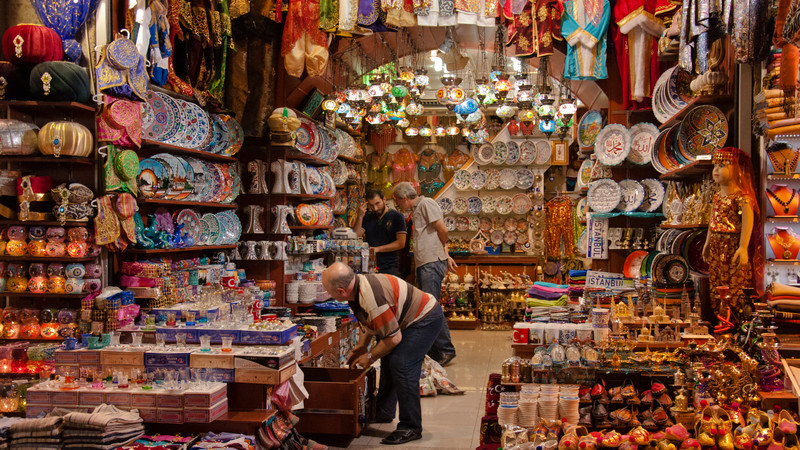
7 ways local markets reveal a culture
For travellers seeking a deeper connection to a destination, few places offer a more immediate and authentic experience than a local market. Long before social media turned hidden gems into tourist checklists, markets have served as the beating heart of communities, where food, trade, language, tradition, and everyday life naturally come together.
Unlike museums or curated attractions, local markets often show culture in motion. They reveal how people shop, what they eat, how they interact, what they value, and which traditions continue to shape daily routines. From street-side produce stalls to historic public bazaars, these spaces provide a living snapshot of local identity.
Travel experts and cultural observers often recommend markets as one of the best places to understand a destination beyond its landmarks. That is because markets are not just about buying things. They are social spaces, economic hubs, and cultural archives all at once.
Here are 7 ways local markets can teach you about a culture, often more honestly and vividly than any guidebook ever could.
1. Local Markets Reveal What People Actually Eat Every Day
One of the clearest ways to understand a culture is through its food, and local markets offer that view in its most practical form.
While restaurants may present polished versions of regional cuisine, markets often show what people buy for everyday meals. Fresh vegetables, grains, spices, seafood, meats, herbs, and snacks can all reflect climate, geography, religious influences, and long-standing culinary traditions.
Travel experts say observing what fills market stalls often gives visitors a more realistic understanding of a region’s daily diet than a menu designed for tourists.
2. They Show Which Ingredients and Flavors Matter Most
Markets do more than reveal what people eat, they also show how flavors shape cultural identity.
The prominence of certain spices, oils, fermented foods, seasonal produce, or preserved ingredients can offer insight into a region’s cooking methods and taste preferences. A market full of dried peppers, aromatic herbs, root vegetables, or seafood can tell a story about climate, trade history, and family recipes passed down across generations.
For travellers interested in food culture, local markets often function like open-air classrooms.
3. You Hear Language in Its Most Natural Everyday Form
Language is one of the most immediate cultural markers, and markets are often full of it.
From bargaining phrases and greetings to product names and casual jokes, markets expose visitors to how people naturally speak in daily life. Even without fluency, travellers can learn a lot by listening to tone, rhythm, repetition, and common expressions used between vendors and customers.
Cultural travellers often note that markets provide a more organic language experience than formal lessons or scripted tourist interactions.
4. Local Markets Reflect Social Norms and Community Behavior
Markets can reveal how people interact with one another in real time.
Some cultures may emphasise lively bargaining, while others value quick efficiency. In some places, vendors know customers by name and conversations unfold slowly. In others, the pace is fast, practical, and highly structured. How people queue, negotiate, greet elders, share space, or exchange money can all offer subtle clues about local etiquette and social expectations.
These small observations can help travellers better understand how community life functions beyond the surface.
READ ALSO
10 Essential Things Smart Travellers Always Research Before Visiting a New Country
8 Smart Travel Habits Frequent Flyers Swear By to Save More Money Than You Expect
5. They Highlight Traditional Crafts, Textiles, and Handmade Goods
Beyond food, many markets also showcase local craftsmanship.
Handwoven fabrics, pottery, carved wood, metalwork, jewelry, baskets, leather goods, and other handmade items can reflect centuries of artistic tradition and regional identity. In many destinations, markets preserve forms of craftsmanship that may not be visible in modern retail spaces.
Travel experts say these goods often tell stories about history, local materials, indigenous knowledge, and the economic role of artisans in the community.
6. Seasonal Changes in Markets Reveal Cultural Rhythms
A market can change dramatically depending on the season, and that shift often reflects deeper cultural rhythms.
Seasonal fruits, holiday foods, religious items, festival decorations, or harvest-related products can reveal what a community is preparing for and what matters at different times of year. In many places, markets become especially expressive during holidays, planting seasons, or major cultural celebrations.
This makes markets valuable not just as static attractions, but as dynamic spaces that reflect the calendar of local life.
7. Markets Offer a Less Filtered View of Everyday Life
Perhaps most importantly, local markets show culture without heavy curation.
Unlike tourist attractions built for visitors, markets primarily exist for residents. That means travellers often witness a more honest version of daily routines, families shopping, workers taking breaks, children accompanying parents, vendors managing relationships, and neighbors catching up on news.
This everyday realism is often what makes market visits so memorable. They offer a sense of place that feels lived-in rather than staged, helping travellers understand a destination through the rhythms of ordinary life.
Why Local Markets Matter for Cultural Travel
As travel becomes increasingly shaped by algorithms, curated itineraries, and “must-see” lists, many travellers are looking for experiences that feel more authentic and less performative. Local markets continue to stand out because they offer exactly that: a direct, human-centered encounter with how a place actually functions.
They combine food, language, commerce, craft, social interaction, and tradition in one space. For travellers willing to observe closely, ask respectful questions, and remain curious, markets can become one of the richest sources of cultural understanding.
Travel experts often suggest that even a short visit to a neighborhood market can reveal more about a place than hours spent moving between tourist landmarks. The reason is simple: markets are where culture is practiced, not just displayed.
For anyone hoping to travel more thoughtfully, local markets remain one of the most powerful—and often overlooked, windows into the soul of a destination.
FAQ
Why are local markets important when travelling?
Local markets are important because they offer a direct view into everyday life, including what people eat, how they interact, what they value, and which traditions remain active in the community.
How can local markets teach you about a culture?
Local markets can teach you about a culture through food, language, social behavior, seasonal traditions, craftsmanship, and community interactions. They often reflect daily life more honestly than tourist attractions.
Are local markets better than tourist attractions for cultural experiences?
Not necessarily better in every case, but they often provide a more authentic and less curated experience. Markets show culture as it is lived, not just presented for visitors.
What should I look for in a local market while travelling?
Pay attention to popular foods, ingredients, pricing styles, bargaining customs, local crafts, greetings, seasonal items, and how vendors interact with customers. These details can reveal a lot about local culture.
Can food markets really help you understand a destination?
Yes. Food markets often reveal local ingredients, climate influences, cooking traditions, and everyday eating habits, making them one of the best places to understand regional identity.
Is it respectful to ask questions in a local market?
Yes, if done politely and with awareness. Many vendors appreciate genuine curiosity, especially when travellers are respectful, patient, and not disruptive during busy moments.
Why do travel experts recommend visiting local markets?
Travel experts recommend markets because they combine culture, history, food, language, and social life in one place, giving travellers a richer and more grounded sense of a destination.
Do local markets reflect seasonal traditions?
Yes. Seasonal produce, holiday foods, decorations, and festival-related items often reveal what a community is celebrating or preparing for during a particular time of year.
Are local markets good for solo travellers?
Yes. Local markets can be excellent for solo travellers because they are active, immersive, and often easier to explore at your own pace while observing local life.
How can I visit a local market respectfully as a tourist?
Be mindful of personal space, ask before taking photos, support vendors by buying something when appropriate, avoid blocking stalls, and observe local customs around greetings or bargaining.