

Do You Have These 7 Practical Travel Skills? What Every Smart Traveler Should Know

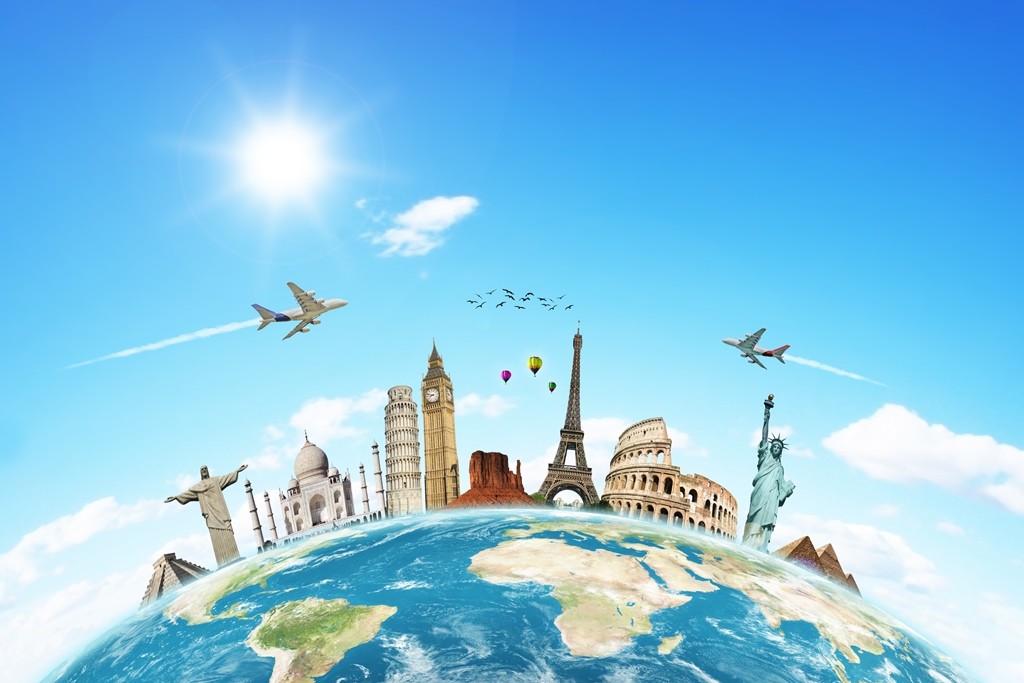
Practical travel skills every traveler should master
As global travel rebounds and becomes more accessible, seasoned travelers say one thing matters more than luxury accommodations or packed itineraries: practical travel skills. In an era of delayed flights, digital bookings, and unfamiliar cultures, knowing how to adapt can mean the difference between a stressful trip and a memorable one.
Travel experts agree that mastering a few core skills can dramatically improve safety, save money, and enhance confidence on the road. Whether you’re planning your first international journey or refining your travel habits, these seven practical travel skills are increasingly seen as essential.
1. Smart Budgeting and Money Management
Understanding how to manage money while traveling is foundational. This includes tracking daily expenses, knowing exchange rates, avoiding unnecessary bank fees, and separating emergency funds from spending money. Travelers who budget effectively tend to stay longer, stress less, and avoid financial surprises.
2. Navigating Without Constant Internet Access
While smartphones are invaluable, relying solely on internet connectivity can be risky. Skilled travelers know how to download offline maps, read basic signage, and ask for directions when needed. This skill becomes crucial in remote areas, transit disruptions, or countries with limited connectivity.
3. Packing Efficiently and Purposefully
Packing is no longer about carrying everything “just in case.” Experienced travelers prioritize versatility, weather awareness, and mobility. Knowing how to pack light, while still covering essentials, reduces airline fees, saves time, and improves overall comfort.
READ ALSO
10 Costly Currency Exchange Mistakes New Travelers Keep Making, And How to Avoid Them
12 Genius Hacks to Travel on Budget Without Losing Comfort: What Actually Works
4. Understanding Local Transportation Systems
From subway networks to ride-sharing etiquette, navigating local transport can significantly impact travel efficiency. Travelers who research transport options ahead of time avoid overpriced alternatives and experience destinations like locals do.
5. Basic Cultural Awareness and Etiquette
Cultural sensitivity is a practical skill that affects safety and social interaction. Simple actions, such as greeting customs, dress codes, or tipping norms, can build trust and prevent misunderstandings. Respectful travelers often receive better service and deeper cultural experiences.
6. Problem-Solving and Adaptability
Delays, lost luggage, and itinerary changes are part of modern travel. Practical travelers stay calm, assess options quickly, and make informed decisions. Adaptability not only reduces stress but often turns setbacks into unexpected adventures.
7. Health and Personal Safety Awareness
Knowing how to protect your health on the road is essential. This includes understanding basic first aid, recognizing food safety risks, securing personal belongings, and knowing when to seek medical help. Prepared travelers are better equipped to handle emergencies calmly.
FAQ
1. What are practical travel skills?
Practical travel skills are abilities that help travelers manage money, navigate new places, stay safe, and adapt to unexpected situations.
2. Why are travel skills important?
They reduce stress, save money, improve safety, and allow travelers to enjoy destinations more confidently and independently.
3. Can beginners learn these travel skills easily?
Yes. Most practical travel skills can be learned through preparation, experience, and simple research before a trip.
4. What is the most important travel skill?
Adaptability is often considered the most important because it helps travelers handle delays, changes, and challenges calmly.
5. How can I improve my travel budgeting skills?
Track expenses daily, research local costs, use budgeting apps, and always set aside emergency funds.
6. Do I need travel skills for short trips?
Yes. Even short trips can involve delays, unfamiliar systems, or emergencies where practical skills are useful.
7. Are these skills useful for solo travelers?
Absolutely. Solo travelers benefit the most from strong navigation, safety awareness, and problem-solving skills.
8. How can cultural awareness improve travel experiences?
Understanding local customs builds respect, prevents offense, and often leads to more positive interactions with locals.
9. Can travel skills help save money?
Yes. Skills like smart packing, budgeting, and using public transport significantly reduce travel costs.
10. Are travel skills more important than travel gear?
Experts agree that skills matter more than gear because knowledge and adaptability work in any destination.