

7 Benefits of Daily Stretching Most People Ignore

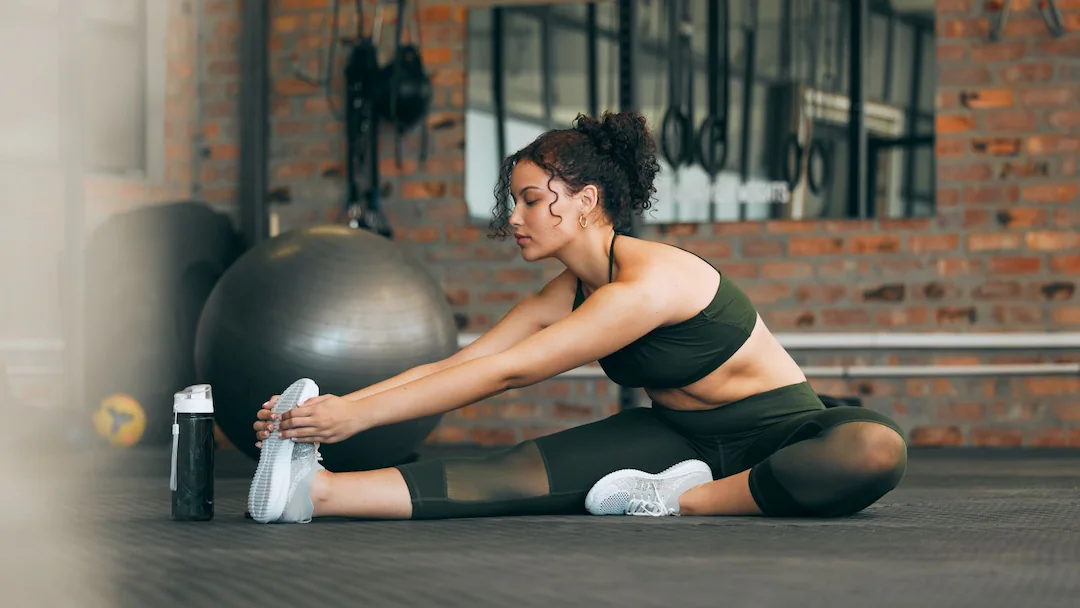
Daily stretching habits that improve health and flexibility
Health experts are increasingly encouraging people to incorporate daily stretching into their routines as awareness grows about the long-term effects of sedentary lifestyles and limited physical movement.
While stretching is often associated with athletes and fitness enthusiasts, medical professionals say regular stretching offers important health benefits for people of all ages and activity levels. From improving posture to reducing stress and boosting flexibility, experts believe stretching can play a major role in overall physical and mental well-being.
As more people spend hours sitting at desks, using smartphones, or working remotely, physical therapists and wellness specialists warn that poor mobility and muscle stiffness are becoming more common.
Here are seven often-overlooked benefits of daily stretching.
1. Improves Flexibility and Mobility
One of the most recognized benefits of stretching is increased flexibility.
Daily stretching helps muscles and joints move more freely, improving overall mobility and reducing stiffness. Experts say improved flexibility can make everyday activities such as walking, bending, lifting, and exercising easier and more comfortable.
Maintaining mobility is especially important as people age.
2. Helps Reduce Muscle Tension and Pain
Long periods of sitting or poor posture can lead to muscle tightness, especially in the neck, shoulders, hips, and lower back.
Stretching regularly can help release built-up tension and reduce discomfort caused by prolonged inactivity. Physical therapists often recommend gentle stretching for people experiencing muscle stiffness from work-related or lifestyle habits.
Daily movement can also help lower the risk of minor muscle injuries.
3. Supports Better Posture
Poor posture has become increasingly common due to extended screen time and desk work.
Experts say stretching tight muscles around the chest, shoulders, hips, and spine can improve body alignment and posture over time. Better posture may also reduce strain on the back and neck while improving breathing and physical comfort.
Many office workers now include stretching breaks as part of workplace wellness routines.
READ ALSO
6 Natural Ways to Improve Your Breathing Efficiency
8 Early Signs Your Body Is Burned Out
4. Boosts Blood Circulation
Stretching encourages healthy blood flow throughout the body.
Improved circulation helps deliver oxygen and nutrients to muscles more efficiently, which may support faster recovery after physical activity and reduce feelings of fatigue.
Health professionals note that movement-based habits like stretching can help combat the negative effects of prolonged sitting.
5. Helps Relieve Stress and Improve Mental Well-Being
Stretching is not only beneficial for physical health.
Wellness experts say stretching exercises combined with controlled breathing can help calm the nervous system, reduce stress levels, and promote relaxation. Many people incorporate stretching into yoga, mindfulness, or meditation routines for this reason.
Regular stretching sessions may also improve mood and mental clarity.
6. Increases Energy Levels
Contrary to the belief that stretching only helps after workouts, experts say it can also increase energy and alertness.
Morning stretching routines can help wake up muscles, improve circulation, and prepare the body for daily activities. Many people report feeling more refreshed and productive after short stretching sessions.
This is one reason why stretching is becoming increasingly popular in workplace wellness programs.
7. May Improve Athletic and Physical Performance
Athletes often use stretching to prepare muscles for movement and maintain flexibility.
Fitness experts say regular stretching can support better range of motion, coordination, and movement efficiency during physical activity. While stretching alone does not replace exercise, it can complement workouts and aid recovery.
Proper stretching routines may also reduce the likelihood of muscle tightness during physical activity.
Why Daily Stretching Matters More Today
Health professionals continue to stress the importance of movement in modern lifestyles dominated by prolonged sitting and screen exposure.
Daily stretching requires little equipment, minimal time, and can be adapted to nearly any fitness level. Experts recommend starting with gentle stretches for five to ten minutes each day and gradually building consistency.
As awareness around physical wellness grows, stretching is increasingly viewed as more than a fitness activity. For many people, it has become an essential habit for maintaining flexibility, reducing stress, and supporting long-term health.
FAQ
What are the main benefits of daily stretching?
Daily stretching can improve flexibility, mobility, posture, blood circulation, stress relief, and overall muscle comfort.
How long should I stretch each day?
Experts generally recommend stretching for at least 5 to 10 minutes daily, depending on fitness level and personal goals.
Can stretching improve posture?
Yes. Stretching tight muscles around the shoulders, chest, hips, and back may help improve posture and reduce body strain.
Does stretching help reduce stress?
Yes. Stretching combined with controlled breathing can help relax muscles, calm the nervous system, and lower stress levels.
Is stretching good for back pain?
Gentle stretching may help reduce tension and stiffness that contribute to mild back discomfort. However, persistent pain should be evaluated by a healthcare professional.
Should I stretch before or after exercise?
Light dynamic stretching is often recommended before exercise, while static stretching is commonly used after workouts to support flexibility and recovery.
Can stretching improve flexibility quickly?
Consistency is important. Regular stretching over time can gradually improve flexibility and range of motion.
Does stretching improve blood circulation?
Yes. Stretching promotes blood flow, which helps deliver oxygen and nutrients throughout the body more effectively.
What are the best times to stretch?
Many people stretch in the morning to improve mobility or after workouts to relax muscles and support recovery.
Is stretching important even for non-athletes?
Absolutely. Stretching benefits people of all activity levels by supporting mobility, posture, relaxation, and overall physical wellness.