

Supreme Court set to rule on Trump’s Birthright Citizenship order as landmark immigration decision nears

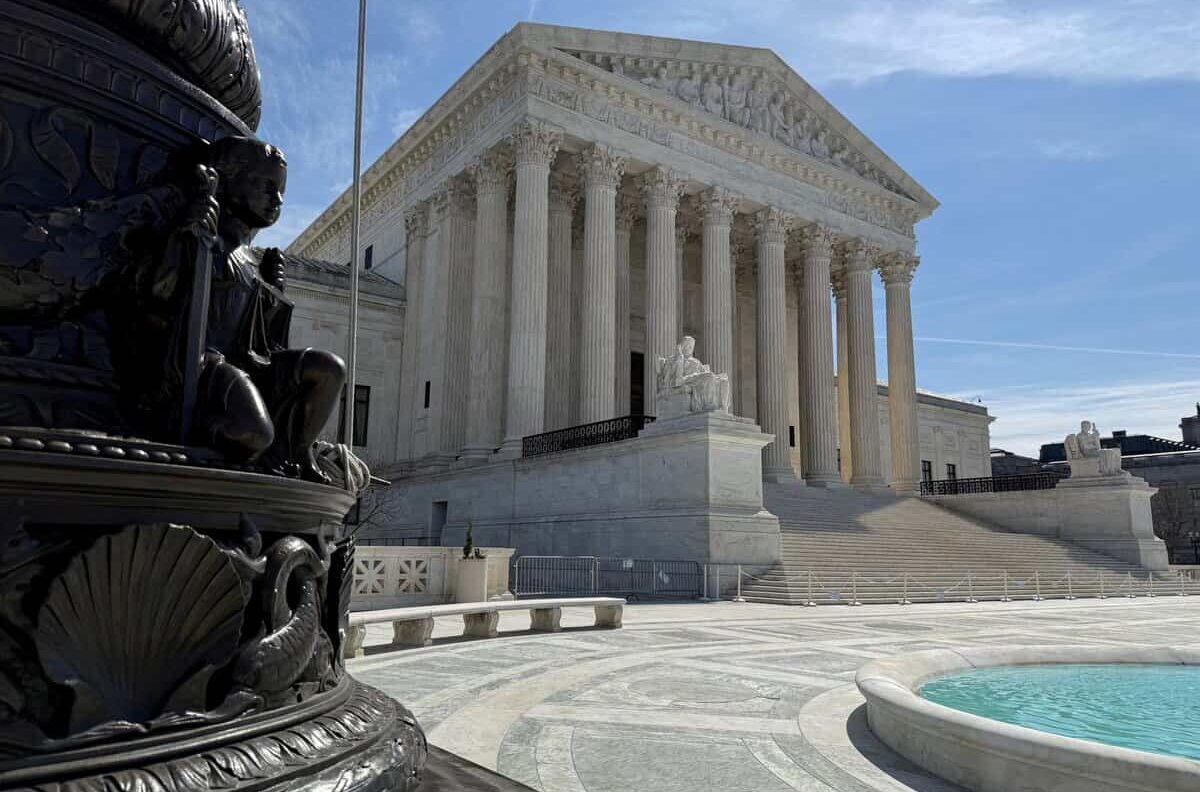
Supreme Court prepares to decide Trump’s birthright citizenship case.
The U.S. Supreme Court is preparing to deliver one of its most closely watched decisions of the year, with a ruling expected on President Donald Trump’s executive order seeking to redefine birthright citizenship in the United States. The decision could have far-reaching implications for immigration policy, constitutional law, and the future of automatic U.S. citizenship for children born on American soil.
At the heart of the case is whether the president has the authority to narrow the long-standing interpretation of the 14th Amendment, which has guaranteed citizenship to nearly everyone born in the United States for more than 125 years. The ruling is expected as the Supreme Court concludes its current term, alongside other high-profile cases involving transgender athletes and campaign finance.
Trump’s Executive Order Challenges Longstanding Constitutional Interpretation
On his first day back in office, President Donald Trump signed an executive order aimed at limiting birthright citizenship. The order would deny automatic U.S. citizenship to children born in the United States if their parents are either in the country illegally or are in the U.S. temporarily under certain visa categories.
Currently, the Citizenship Clause of the 14th Amendment has been interpreted to grant citizenship to virtually everyone born on U.S. soil, regardless of their parents’ immigration status.
The administration argues that this interpretation has encouraged illegal immigration and placed unnecessary financial burdens on the country. Trump has repeatedly maintained that restricting birthright citizenship would strengthen immigration enforcement and protect American taxpayers.
Speaking ahead of the ruling, the president said he would accept whatever decision the Supreme Court reaches, although he believes allowing unrestricted birthright citizenship remains “extremely costly” for the United States.
Multiple Lawsuits Quickly Blocked the Policy
Trump’s executive order never took effect after facing immediate legal challenges from a coalition of 22 states, immigrant rights organizations, expectant parents, and civil liberties groups.
The plaintiffs argue that the president cannot rewrite the Constitution through executive action and that more than a century of Supreme Court precedent clearly supports automatic citizenship for children born in the United States.
Federal courts agreed to temporarily block the order while the legal battle proceeds, preventing the administration from implementing the policy before the Supreme Court has the final word.
The legal challenge has become one of the most significant constitutional disputes involving immigration in recent decades.
Hundreds of Thousands of Children Could Be Affected
The outcome of the case could directly affect approximately 255,000 children born in the United States every year, according to estimates cited during the litigation.
If Trump’s policy is ultimately upheld, those children would no longer automatically receive U.S. citizenship at birth solely because they were born on American soil.
Immigration experts say such a change would reshape the nation’s citizenship system, potentially creating new legal questions surrounding residency, documentation, and eligibility for government services.
Supporters of birthright citizenship warn that altering the current system could leave some children without a clear nationality and trigger years of additional litigation.
READ ALSO
Legal Debate Centers on the 14th Amendment
The Supreme Court’s decision will largely focus on the interpretation of the Citizenship Clause of the 14th Amendment, which states that all persons born or naturalized in the United States and subject to its jurisdiction are citizens.
For more than 125 years, courts have generally interpreted this language to include nearly all children born within U.S. borders.
Trump’s administration argues that the phrase “subject to the jurisdiction” should exclude children whose parents are unlawfully present or temporarily residing in the country.
Opponents counter that this interpretation contradicts longstanding constitutional precedent established through previous Supreme Court rulings and decades of federal practice.
The decision could become one of the most consequential constitutional rulings on immigration in modern American history.
Supreme Court Also Weighing Other Major Cases
The birthright citizenship case is one of three significant opinions expected as the Supreme Court closes its current term.
The justices are also set to decide whether Idaho and West Virginia can enforce laws prohibiting transgender girls and women from participating on female school sports teams. More than two dozen Republican-led states have adopted similar restrictions in recent years.
Another pending case concerns campaign finance rules and whether existing limits on coordinated political spending between candidates and political parties should remain in place.
The court has already issued several notable rulings during its final week, including decisions expanding presidential authority over independent federal agencies while preserving protections for the Federal Reserve’s independence.
A Decision That Could Shape Immigration Policy for Decades
Legal experts describe the birthright citizenship case as one of the most important constitutional disputes of Trump’s second term.
Whether the Supreme Court upholds or rejects the executive order, the ruling is expected to influence immigration enforcement, executive authority, and constitutional interpretation for years to come.
If the Court sides with the administration, it could fundamentally change who qualifies for automatic U.S. citizenship at birth. If the justices reject the executive order, the existing interpretation of the 14th Amendment will remain intact, preserving a constitutional principle that has stood for more than a century.
With the nation awaiting the Court’s final decision, the outcome promises to shape both immigration policy and the constitutional understanding of American citizenship for future generations.
FAQ
What is birthright citizenship?
Birthright citizenship is the constitutional principle that grants U.S. citizenship to nearly everyone born on American soil. It is based on the Citizenship Clause of the 14th Amendment, which has been interpreted for more than 125 years to provide automatic citizenship regardless of a child’s parents’ immigration status.
What is President Trump’s birthright citizenship executive order?
President Donald Trump signed an executive order seeking to limit automatic U.S. citizenship to children born to U.S. citizens or lawful permanent residents. The order would deny citizenship to many children born to undocumented immigrants and certain temporary visa holders.
Why is the Supreme Court hearing the birthright citizenship case?
The Supreme Court is reviewing legal challenges after several states, immigrant advocacy groups, and expectant parents argued that Trump’s executive order violates the U.S. Constitution and longstanding Supreme Court precedent interpreting the 14th Amendment.
What does the 14th Amendment say about citizenship?
The Citizenship Clause of the 14th Amendment states:
“All persons born or naturalized in the United States, and subject to the jurisdiction thereof, are citizens of the United States.”
This clause has traditionally been interpreted to guarantee birthright citizenship.
Can a president end birthright citizenship through an executive order?
That is the central legal question before the Supreme Court. Many constitutional scholars argue that an executive order cannot override the Constitution or established Supreme Court precedent, while supporters of the order argue the 14th Amendment has been interpreted too broadly.
How many children could be affected by Trump’s proposal?
According to estimates cited during the legal challenge, approximately 255,000 children born in the United States each year could lose automatic U.S. citizenship if the policy ultimately takes effect.
Who challenged Trump’s executive order?
The lawsuits were filed by:
- Twenty-two state attorneys general
- Civil rights organizations including the ACLU
- Immigrant advocacy groups
- Pregnant women and families expected to be directly affected
Has Trump’s birthright citizenship order taken effect?
No. Federal courts blocked the executive order shortly after it was signed. It remains on hold while the legal challenges continue through the courts.
When is the Supreme Court expected to issue its decision?
The Supreme Court is expected to announce its ruling as part of the final opinions released at the close of its current term.
Could the Supreme Court overturn birthright citizenship?
The Court could uphold or reject Trump’s executive order or issue a narrower procedural ruling. Any decision affecting the longstanding interpretation of the 14th Amendment would represent one of the most significant constitutional rulings in decades.
Why is this case considered historic?
The case tests over a century of constitutional precedent, could reshape U.S. immigration policy, and may redefine who automatically becomes an American citizen at birth.
What happens if the Supreme Court rules against Trump?
If the Court rejects the executive order, birthright citizenship would continue under the current interpretation of the 14th Amendment, and children born in the U.S. would remain eligible for automatic citizenship regardless of their parents’ immigration status.
What happens if the Supreme Court rules in Trump’s favor?
If the Court upholds the executive order, eligibility for automatic U.S. citizenship could become significantly more limited, affecting hundreds of thousands of future births and potentially triggering further legal and legislative battles.
Why is birthright citizenship controversial?
Supporters argue it protects constitutional rights and prevents statelessness, while critics contend it encourages illegal immigration and should apply only to children whose parents have lawful status in the United States.
Why is this Supreme Court decision important?
The ruling could shape immigration policy, constitutional law, executive authority, and citizenship rights for generations, making it one of the most closely watched Supreme Court cases of 2026.