

10 Essential Things Smart Travellers Always Research Before Visiting a New Country

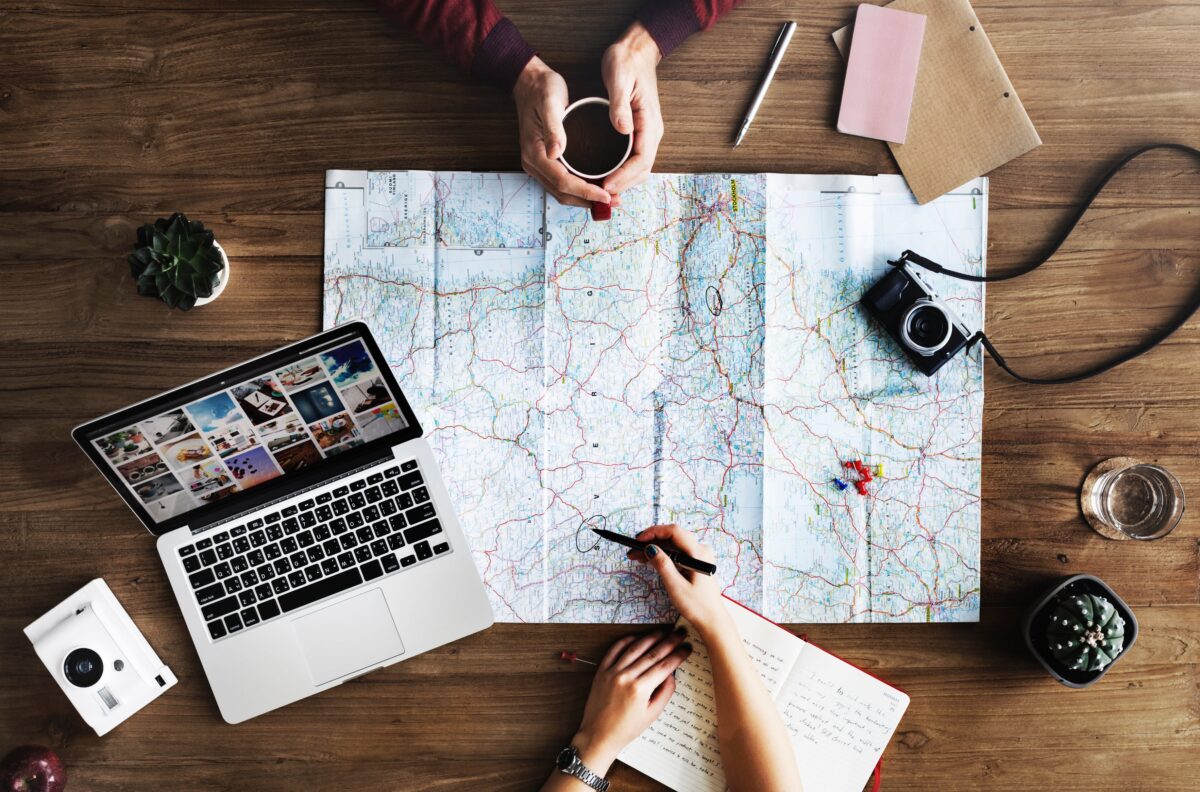
10 things to research before visiting a new country
International travel can be exciting, eye-opening, and deeply rewarding, but experienced travellers say the success of a trip often depends on what happens before you ever board the plane.
From visa rules and airport transport to local customs and safety concerns, visiting a new country without proper research can quickly turn a dream trip into a stressful experience. Travel experts say even confident travellers often overlook simple details that can lead to delays, unexpected costs, misunderstandings, or avoidable risks.
As global travel continues to grow, preparation has become just as important as packing. Whether you are travelling for a vacation, study program, business trip, or family visit, knowing what to expect can help you move more confidently and make smarter decisions on the ground.
Below are 10 things to research before visiting a new country, and why each one can make a major difference to your overall travel experience.
1. Visa Requirements and Entry Rules
One of the most important things to check before travelling is whether you need a visa, e-visa, visa on arrival, or other entry authorization.
Every country has its own immigration rules, and these can change depending on your nationality, travel purpose, and length of stay. Some destinations also require proof of onward travel, hotel bookings, travel insurance, or vaccination records.
Failing to verify entry rules in advance can result in denied boarding or refused entry at the airport. That is why visa research should always be the first step in planning an international trip.
2. Passport Validity Rules
Many travellers assume a passport only needs to be valid for the duration of the trip, but that is not always true.
Some countries require passports to remain valid for at least six months beyond the date of entry or departure. Others may require blank pages for stamps or visa labels.
Checking passport validity early can prevent last-minute panic and expensive emergency renewals.
3. Local Currency, Payment Methods, and Exchange Options
Money mistakes are one of the easiest ways to create stress in a new country.
Before travelling, research the local currency, exchange rates, ATM availability, card acceptance, mobile payments, and any cash-heavy areas. In some places, cards are widely accepted. In others, small businesses, taxis, or rural areas may rely heavily on cash.
It is also smart to understand common fees for international withdrawals or card transactions so you can budget more accurately.
4. Safety Conditions and Common Tourist Scams
Safety research is essential, especially when visiting a place for the first time.
Travellers should check general safety conditions, neighborhood risks, local emergency numbers, transportation safety, and any recent advisories that could affect visitors. It is also helpful to learn about common tourist scams, such as fake taxis, overcharging, distraction theft, or unofficial guides.
Being informed does not mean being fearful, it means being prepared and more aware.
5. Weather and Seasonal Conditions
Packing correctly depends heavily on knowing the climate you are walking into.
Before visiting a new country, check the season, average temperatures, rainfall patterns, humidity, and local weather surprises. Some destinations may have rainy seasons, extreme heat, cold nights, monsoon periods, or regional differences that are easy to miss.
This research helps you pack smarter, plan activities better, and avoid spending extra money on forgotten essentials.
READ ALSO
Think Travel Is Just Fun? Here Are 6 Powerful Ways Travelling Boosts Your Problem-Solving Skills
9 Weekend Getaway Planning Tips Busy Professionals Swear By for Stress-Free Travel
6. Local Culture, Customs, and Social Etiquette
Understanding cultural expectations can improve both your experience and your interactions with locals.
Travel experts recommend learning about greetings, dress expectations, tipping norms, religious sensitivities, public behavior, and dining etiquette. In some countries, gestures or habits that seem normal elsewhere may be considered disrespectful.
Even basic cultural awareness can help travellers avoid awkward mistakes and show respect for the place they are visiting.
7. Transportation Options From the Airport and Within the Country
How you move around matters more than many first-time travellers realize.
Researching airport transfers, train systems, buses, taxis, ride-hailing apps, metro cards, domestic flights, and intercity travel options can save time and reduce confusion after arrival. Landing in a new country without a transport plan can be exhausting, especially after a long flight.
Knowing the safest and most affordable ways to get around can also help you avoid scams and overspending.
8. Language Basics and Communication Tools
You do not need to become fluent before visiting a new country, but learning a few basics can make a big difference.
Simple phrases like hello, thank you, excuse me, where is…, how much, and help can improve daily interactions. Travellers should also check whether English is widely spoken in tourist areas or whether translation apps may be necessary.
Offline maps and translation tools can be especially useful if internet access becomes limited.
9. Health Requirements and Travel Insurance
Health-related preparation is often overlooked until something goes wrong.
Before travelling, research whether the country requires vaccinations, health declarations, prescription medication documentation, or travel insurance. It is also useful to know how healthcare works locally, where pharmacies are located, and what to do in an emergency.
Travel insurance can be especially valuable for medical issues, cancellations, lost baggage, or unexpected delays.
10. Local Laws and Rules That Tourists Often Miss
Some countries have strict rules that visitors may not expect.
These can involve photography restrictions, drug laws, alcohol regulations, dress codes, drone use, public behavior, visa overstay penalties, or rules around cultural sites. What seems minor in one country can carry serious consequences in another.
Researching local laws is not just about avoiding embarrassment, it can protect you from fines, legal trouble, or accidentally breaking rules you did not know existed.
Why Travel Research Matters More Than Ever
Travel experts say preparation is one of the best ways to reduce avoidable stress abroad.
The most successful trips often happen when travellers understand the basics before they arrive: how to enter, how to move, how to pay, how to stay safe, and how to respect the local culture.
In a time when travel rules, digital tools, and international expectations can vary widely from one country to another, doing your research is no longer optional, it is part of travelling responsibly and confidently.
For anyone planning an international trip, the smartest souvenir may be peace of mind.
FAQ
What should I research before visiting a new country?
You should research visa rules, passport validity, local currency, safety conditions, weather, local customs, transportation, language basics, health requirements, and important local laws.
What documents do I need before travelling internationally?
Most travellers need a valid passport, and depending on the destination, they may also need a visa, return ticket, hotel confirmation, travel insurance, vaccination records, or other entry documents.
How early should I check visa requirements?
It is best to check visa requirements as early as possible, ideally before booking or immediately after choosing a destination, because processing times and rules can change.
Why is passport validity important when travelling?
Some countries require your passport to remain valid for at least six months beyond your trip dates. If it does not meet the requirement, you could be denied boarding or entry.
Do I need travel insurance for international trips?
Not always, but travel insurance is strongly recommended. It can help cover medical emergencies, cancellations, delays, lost baggage, and other unexpected travel issues.
How can I avoid scams when visiting a new country?
Research common tourist scams in advance, use official transport options, confirm prices before paying, avoid carrying large amounts of cash, and stay alert in crowded areas.
What should first-time international travellers know?
First-time travellers should focus on the basics: verify documents, understand local money, know how to get from the airport, learn simple local phrases, and understand cultural expectations.
Should I exchange money before I travel?
It depends on the destination. Many travellers carry a small amount of local cash before arrival, then use ATMs or cards after landing if fees and availability are reasonable.
Is it important to learn the local language before travelling?
You do not need fluency, but learning a few key phrases can make communication easier and show respect. Translation apps can also be very helpful.
Why should I research local laws before travelling?
Local laws vary widely, and some rules may be stricter than what you are used to. Understanding them can help you avoid fines, legal trouble, or accidental disrespect.