

Tylor Chase: 10 things to know about ex-Nickelodeon star — and why he’s homeless

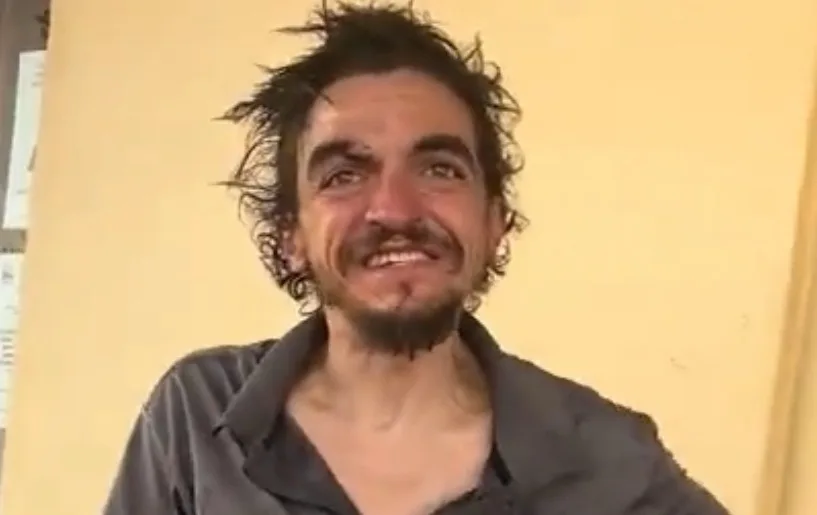
Tylor Chase
For many millennials and Gen Z viewers, Ned’s Declassified School Survival Guide was more than just a TV show—it was a childhood staple. Among its memorable supporting characters was Martin Qwerly, the quiet, thoughtful student portrayed by Tylor Chase. Years after the show ended, Chase has returned to public attention under troubling circumstances, following reports that he is now homeless.
His story has sparked emotional reactions across social media and reopened conversations about child stardom, mental health, addiction, and the entertainment industry’s responsibility to young actors. Here are 10 important and comprehensive things to know about Tylor Chase, his rise to fame, and the struggles that followed.
1. He Rose to Fame Through Nickelodeon in the Mid-2000s
Tylor Chase became widely known for his role as Martin Qwerly on Nickelodeon’s hit series Ned’s Declassified School Survival Guide, which aired from 2004 to 2007. The show was a defining part of many viewers’ childhoods, and Chase’s character—quiet, observant, and intelligent—left a lasting impression despite limited screen time compared to the lead cast.
2. His Character, Martin Qwerly, Became a Fan Favorite
Although Martin Qwerly was not one of the main trio, fans remember the character for his thoughtful presence and calm demeanor. Over the years, viewers have often praised Chase’s ability to stand out without being loud, making Martin one of the show’s most relatable supporting characters.
3. He Worked Alongside Major Nickelodeon Stars
Chase shared the screen with Devon Werkheiser, Daniel Curtis Lee, Lindsey Shaw, and other young actors who went on to build careers in entertainment and media. Their on-screen chemistry helped make Ned’s Declassified one of Nickelodeon’s most successful live-action series of that era.
4. Life After Child Stardom Was Challenging
Like many child actors, Chase struggled to transition into adulthood after the show ended. Acting opportunities reportedly became scarce, and the sudden loss of structure, income, and public attention contributed to ongoing personal and financial difficulties.
5. He Has Been Openly Linked to Mental Health Struggles
According to statements from his family, Tylor Chase has been dealing with bipolar disorder, a condition that can significantly affect mood stability, decision-making, and long-term functioning. Mental health advocates have pointed to his situation as an example of why former child stars need sustained psychological support.
6. A Viral TikTok Video Brought His Situation to Light
In September, a TikTok video showing Chase sleeping on the streets of Riverside, California, went viral. The clip shocked longtime fans and reignited discussions about homelessness, mental illness, and the lack of safety nets for former child actors once fame fades.
7. Public Reactions Were Mixed but Deeply Emotional
While many viewers expressed heartbreak and concern, others criticized the act of filming Chase in such a vulnerable state. The video sparked ethical debates about privacy, exploitation, and whether viral attention genuinely helps individuals experiencing homelessness.
8. A GoFundMe Was Started—but Later Stopped
Following the viral video, supporters launched a GoFundMe campaign to help Chase with food, clothing, and basic needs. The fundraiser reportedly raised over $1,200 before it was halted by his mother, who emphasized that Chase requires long-term treatment and stable housing, not just short-term donations.
9. Former Co-Star Daniel Curtis Lee Spoke Out
Daniel Curtis Lee, who played Simon Nelson-Cook on Ned’s Declassified, reportedly visited Chase in Riverside. Lee expressed concern about Chase’s struggles with addiction and mental health, urging fans to understand that recovery requires ongoing care, professional support, and a safe living environment.
10. His Story Has Reignited Debate About Child Actors and the Industry
Tylor Chase’s situation has once again drawn attention to how the entertainment industry handles young talent. Many fans and commentators argue that studios profit from child actors during their peak years but fail to provide resources, education, or support systems to help them navigate adulthood after fame.