

Willie Colón: 10 things you didn’t know about the man who reinvented Salsa

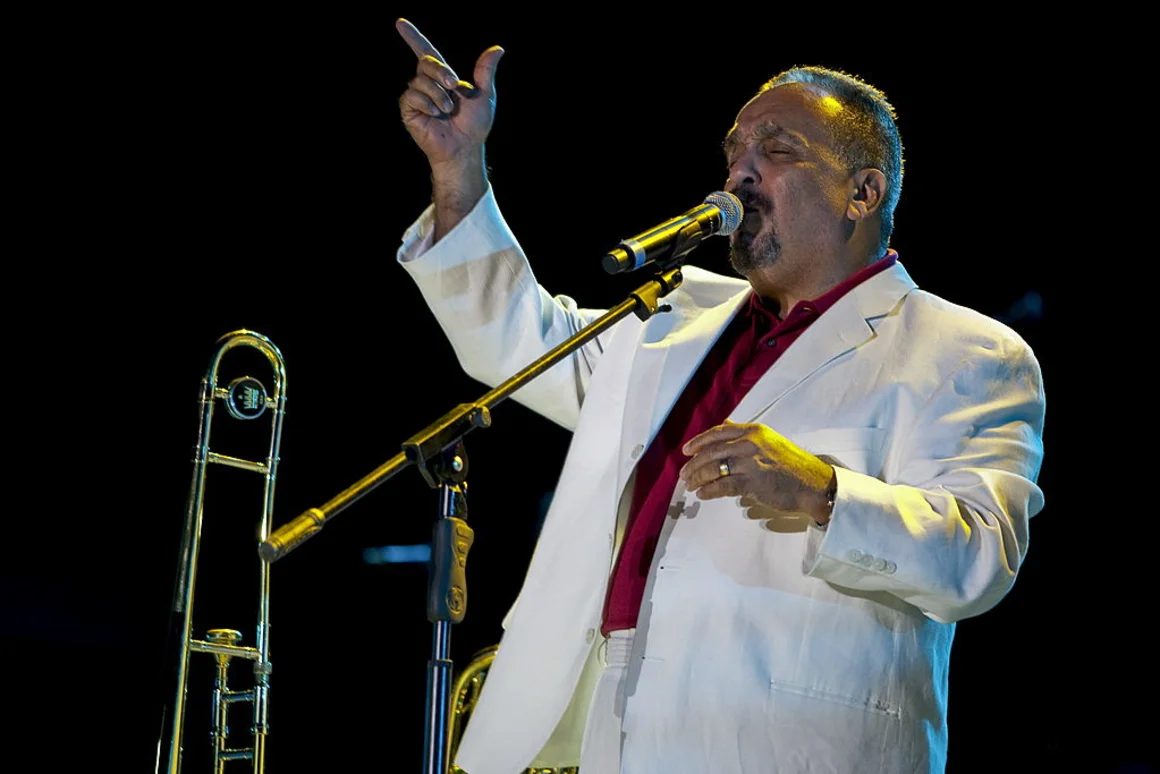
Willie Colón performs during the “Voices of America United for Juárez” concert as part of the Chihuahua International Festival, in Ciudad Juárez, on September 17, 2010. AFP/AFP/AFP via Getty Images
Long before salsa became a polished global sound, it was raw, urban and restless — just like the neighborhoods that birthed it. Standing at the center of that cultural explosion was Willie Colón: a trombone-wielding innovator who transformed street rhythm into a powerful musical language.
He didn’t just play salsa — he politicized it, dramatized it, and gave it a personality. For many listeners, his music sounded like New York itself: crowded, emotional, immigrant, loud and alive.
Here are ten defining facts that explain why Willie Colón remains one of the most important figures in Latin music history.
1. He Became a Star While Still a Teenager
Born in the Bronx, Colón signed his first recording contract at just 15 years old with Fania Records.
By his late teens he wasn’t just performing — he was already reshaping arrangements in a genre dominated by older Cuban traditions.
He represented the first true “New York-born” salsa generation.
2. His Trombone Changed the Sound of Salsa
Before Colón, salsa leaned heavily on trumpets.
He pushed the trombone to the front — creating a darker, heavier, street-style sound that defined 1970s Latin music.
That aggressive brass tone became the signature of urban salsa worldwide.
3. His Partnership With Héctor Lavoe Made History
Their collaboration became one of the most iconic duos in Latin music.
Colón produced while Lavoe narrated the barrio experience — heartbreak, humor, survival.
Together they turned salsa into storytelling.
Many historians consider their albums the birth of modern narrative salsa.
4. He Elevated Salsa Into Social Commentary With Rubén Blades
When Lavoe and Colón parted musically, Colón teamed up with Blades.
The music shifted from street tales to political reflection — migration, corruption, identity.
Salsa stopped being just dance music.
It became journalism in rhythm.
5. He Was a Core Member of the Fania All-Stars
The Fania All-Stars were essentially the Avengers of Latin music — the biggest salsa ensemble ever assembled.
Their concerts sold out stadiums across continents and turned salsa into a global phenomenon.
Colón was one of its creative engines.
6. He Didn’t Just Make Music — He Made Cultural Identity
For Latino communities in New York, salsa was belonging.
Colón’s music reflected immigrant struggles, pride, humor and politics.
It became a soundtrack for identity — especially for second-generation Latinos.
7. He Crossed Into Politics and Activism
Colón ran for public office and advocated for Latino rights in the U.S.
He consistently spoke about representation, social justice and cultural respect.
Few musicians blended art and civic engagement as openly as he did.
8. He Helped Globalize Salsa
His productions influenced musicians in:
-
Puerto Rico
-
Colombia
-
Panama
-
Venezuela
-
Europe
-
Japan
Modern salsa orchestras still borrow his arrangement structure today.
9. He Received Lifetime Recognition
The Latin Recording Academy honored him with a Lifetime Achievement Award — acknowledging not just hits, but structural influence on global music.
10. His Legacy Is Bigger Than Hits
Colón didn’t just create songs.
He created a blueprint: salsa as urban storytelling.
Today, many artists don’t realize they are following his format — but they are.
He didn’t only play trombone.
He changed what salsa was allowed to say.
FAQ
Why is Willie Colón important in music history?
He reshaped salsa into an urban storytelling genre and popularized the trombone-led arrangement style.
Who were his most famous collaborators?
Héctor Lavoe and Rubén Blades.
Was Willie Colón only a musician?
No — he was also a producer, arranger and political activist.
Did he influence modern artists?
Yes. Many contemporary salsa structures originate from his production style.
Did he win major awards?
Yes, including a Latin Grammy Lifetime Achievement Award.