

10 Warning Signs You’re Not Getting Quality Sleep

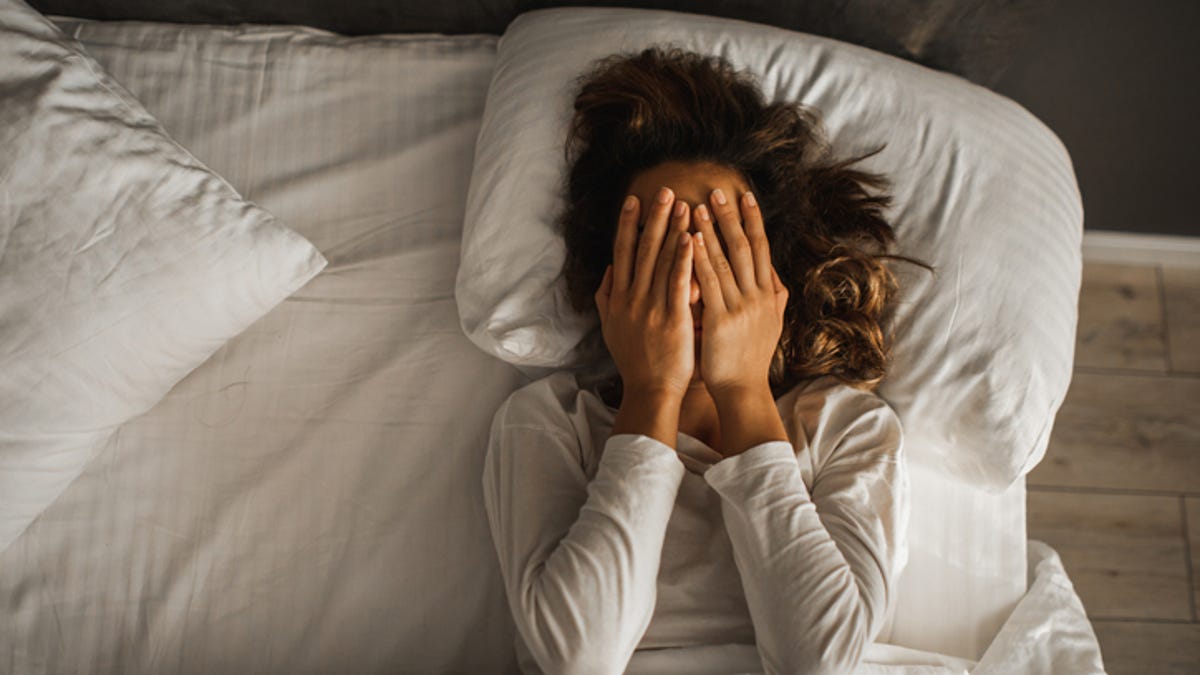
Warning signs you’re not getting quality sleep
Quality sleep is not just about the number of hours you spend in bed. Health experts say sleep quality is equally, if not more, important than sleep duration. According to the Center for Disease Control and Prevention (CDC), adults need at least seven hours of sleep nightly, yet millions still wake up feeling exhausted.
If you consistently feel drained, unfocused, or irritable despite spending enough time in bed, your body may be signaling that your sleep is not restorative. Here are 10 science-backed signs you’re not getting quality sleep, and why they should not be ignored.
1. You Wake Up Feeling Tired Every Morning
One of the clearest indicators of poor sleep quality is waking up unrefreshed. Even after seven to eight hours, you may feel groggy or sluggish. This often suggests fragmented sleep cycles or insufficient deep sleep.
2. You Struggle to Focus During the Day
Poor sleep disrupts cognitive performance. Research shows that inadequate rest affects attention span, reaction time, and decision-making. If you’re frequently distracted or forgetful, sleep deprivation could be the root cause.
3. You Rely on Caffeine to Function
While moderate caffeine use is normal, depending heavily on coffee or energy drinks to stay alert may indicate chronic sleep debt. Over time, this cycle can further impair natural sleep rhythms.
4. You Experience Frequent Mood Swings
Sleep and emotional regulation are closely linked. Insufficient or low-quality sleep can increase irritability, anxiety, and even symptoms of depression. Experts at the National Sleep Foundation emphasize that mood instability is often a hidden symptom of poor sleep health.
5. You Snore Loudly or Gasp for Air at Night
Persistent loud snoring or gasping may signal sleep apnea, a condition that interrupts breathing during sleep. The American Academy of Sleep Medicine warns that untreated sleep apnea can increase the risk of heart disease and high blood pressure.
READ ALSO
6 Foods That Reduce Inflammation Quickly
10 Tiny Lifestyle Changes That Can Dramatically Improve Your Sleep Tonight
6. You Wake Up Frequently During the Night
Restless sleep marked by multiple awakenings prevents the body from completing essential sleep cycles. Fragmented sleep reduces the amount of REM and deep sleep stages needed for recovery.
7. You Feel Sleepy in the Afternoon
Consistent mid-day drowsiness, especially before 3 p.m., may indicate insufficient nighttime sleep quality. While occasional tiredness is normal, regular daytime sleepiness is a red flag.
8. You Have Frequent Headaches
Poor sleep can trigger tension headaches and migraines. Disrupted sleep affects blood flow and stress hormones, which may contribute to morning headaches.
9. You Get Sick More Often
Sleep plays a vital role in immune function. Studies show that people who sleep less than six hours per night are more vulnerable to infections compared to those who get adequate rest.
10. You Have Trouble Falling Asleep Even When Tired
Paradoxically, poor sleep can make it harder to fall asleep. Stress, irregular schedules, and excessive screen time disrupt melatonin production and circadian rhythms.
Why Sleep Quality Is Critical for Long-Term Health
High-quality sleep supports brain function, heart health, metabolism, and immune strength. Chronic sleep deprivation has been linked to obesity, diabetes, cardiovascular disease, and mental health disorders.
Improving sleep hygiene, such as maintaining a consistent bedtime, limiting screen exposure, and creating a cool, dark sleeping environment, can significantly enhance sleep quality.
Recognizing these warning signs early allows individuals to make adjustments before long-term health consequences develop.
FAQ
What are the main signs of poor sleep quality?
The main signs include waking up tired, frequent night awakenings, daytime fatigue, difficulty concentrating, mood swings, and heavy reliance on caffeine.
Why do I feel tired after sleeping 8 hours?
You may be experiencing fragmented sleep, insufficient deep sleep, sleep apnea, stress-related insomnia, or poor sleep hygiene.
How many hours of sleep do adults need?
Most adults need at least 7–9 hours of sleep per night, according to public health guidelines.
What causes poor sleep quality?
Common causes include stress, anxiety, irregular sleep schedules, excessive screen time, caffeine use, underlying medical conditions, and sleep disorders like insomnia or sleep apnea.
Can poor sleep affect mental health?
Yes. Chronic sleep deprivation increases the risk of anxiety, depression, irritability, and impaired emotional regulation.
How can I improve sleep quality naturally?
Establish a consistent bedtime routine, reduce screen time before bed, limit caffeine intake, exercise regularly, and create a dark, quiet sleep environment.
When should I see a doctor about sleep problems?
If symptoms persist for weeks, interfere with daily functioning, or involve loud snoring and breathing interruptions, consult a healthcare professional.