

10 Productive Ways to Use Your Phone Before Bed

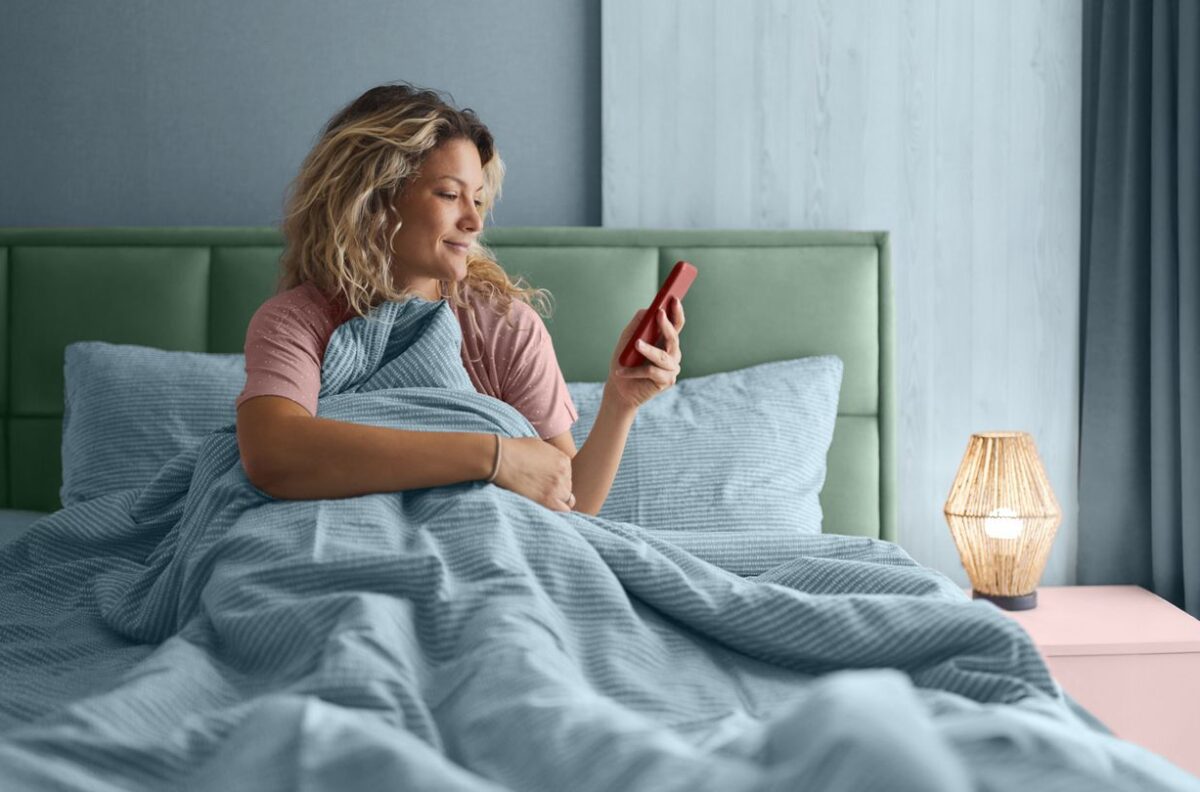
Productive ways to use your phone before bed
For years, experts have warned against using smartphones before bed, linking late-night scrolling to poor sleep, anxiety, and fatigue. But in 2025, sleep specialists and productivity researchers are refining that message: it’s not the phone itself, it’s how you use it.
With the right habits and tools, your phone can become a powerful wind-down companion rather than a sleep disruptor. From mental organization to relaxation techniques, experts say intentional use can actually improve sleep quality and next-day focus.
Here are 10 productive ways to use your phone before bed, backed by science and expert recommendations.
1. Plan Tomorrow’s Top Priorities
Productivity experts recommend using a notes or task app to outline your top three goals for the next day. This clears mental clutter and reduces bedtime anxiety.
Research shows that writing down tasks before sleep can help the brain relax faster.
2. Set a Smart Alarm Instead of Snoozing
Using a smart alarm or sleep-cycle app helps you wake during lighter sleep phases, reducing grogginess. Preparing it before bed prevents last-minute scrolling in the morning.
3. Read Long-Form Articles or E-Books
Reading on your phone, using night mode or warm lighting, can be calming, especially when compared to social media. Experts recommend long-form content over short dopamine hits.
4. Practice Guided Meditation or Breathing
Sleep therapists increasingly recommend guided meditation apps to slow heart rate and ease racing thoughts. Even 5–10 minutes can significantly improve sleep onset.
5. Journal Digitally
Digital journaling allows users to reflect on the day, process emotions, or practice gratitude. Mental health experts say this habit helps release stress before sleep.
READ ALSO
10 Tech Shortcuts That Instantly Save You Hours Every Week
How Are Teenagers Using AI Creatively in 2025? 12 Surprising Ways Gen Z Is Redefining Innovation
6. Review Finances or Track Habits
Light, non-stimulating reviews, such as checking daily expenses or habit streaks, can provide a sense of control and closure at the end of the day.
7. Learn Something Light and Purposeful
Micro-learning apps offering short lessons in languages, history, or trivia can be productive, as long as the content isn’t overly stimulating.
8. Prepare Your Morning Routine
Setting calendar reminders, checking weather forecasts, or preparing navigation routes for the next day reduces decision fatigue in the morning.
9. Listen to Calm Audio Content
Audiobooks, podcasts with slow pacing, or ambient sounds allow users to engage without visual strain, making them safer choices before sleep.
10. Activate Sleep-Friendly Phone Settings
Experts strongly recommend enabling Do Not Disturb, blue-light filters, and app limits before bed. This single habit can dramatically improve sleep quality.
Why Intentional Phone Use Matters
According to sleep researchers, it’s not about eliminating phones entirely, it’s about reducing stimulation while increasing purpose. Intentional phone habits help users transition from a high-alert state into rest mode.
As digital wellness becomes a growing priority in 2025, experts agree that mindful technology use is more realistic, and effective, than total avoidance.
FAQ
Is it bad to use your phone before bed?
Not always. Experts say intentional, low-stimulation use can be beneficial, while mindless scrolling harms sleep quality.
What is the best way to use your phone before sleeping?
Activities like journaling, planning, reading, meditation, and listening to calm audio are considered sleep-friendly.
Does phone use before bed cause insomnia?
Excessive screen exposure, blue light, and emotional stimulation can contribute to insomnia, but proper settings and habits reduce the risk.
What phone settings help improve sleep?
Blue-light filters, Do Not Disturb mode, reduced brightness, and app limits are strongly recommended.
Can reading on your phone help you sleep?
Yes, if you use night mode and avoid stimulating content. Long-form reading is better than social media.
How long before bed should I stop scrolling?
Sleep experts suggest avoiding stimulating content at least 30–60 minutes before sleep.
Are sleep apps actually effective?
Studies show guided meditation, breathing, and sleep-cycle tracking apps can improve sleep quality when used consistently.